
The 10+ Benefits of Amantadine
By Jacob Gordon, INHC, FMT-CThis article contains affiliate links. As an Amazon Associate, MyBioHack earns from qualifying purchases at no extra cost to you. We only link products we research and stand behind.
Amantadine is an interesting drug capable of treating traumatic brain injuries, improving Parkinson's disease and more.
Check out the benefits below.

Basics
Benefits
1. Helps with Traumatic Brain Injuries

Amantadine can help recovery of traumatic brain injuries (TBI), especially if used by 6 weeks after the injury. R R
It can enhance arousal and cognition after TBI (day to months after injury). R R R R
Amantadine can also improve irritability symptoms after TBI. R R
Bonding amantadine with Gardenamide A (GA), enhances its neuroprotective effect against corticosterone and protect the brain during stressful periods and other problems like depression. R
It does this by reducing reactive oxygen species (ROS). R
Amantadine is even well tolerated in children with TBI. R
2. Improves Parkinson's Disease

In Parkinson's Disease (PD), there is loss of dopamine from degeneration of dopamine neurons and an increase in ROS. R
Amantadine is able to improve dopamine release while blocking dopamine reuptake. R
It antagonizes NMDA receptors. R
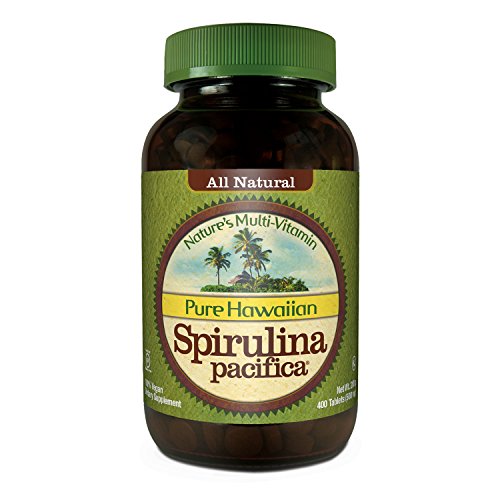
In combination with spirulina, amantadine was able to improve PD and reduce ROS in rats. R
In a case report with a parkinson's patient with corticobasal syndrome, amantadine was able to help with alien limb syndrome. R
Extended release amantadine also works well, especially when combined with Levodopa (L-Dopa). R
Taking it intranasally has an extremely rapid and effective onset. R
Amantadine is also able to stop pathological gambling in PD patients. R
3. Helps with Multiple Sclerosis
In multiple sclerosis (MS), fatigue can be overwhelming. R
Amantadine is able to help relieve fatigue associated with MS. R R
4. Has Anti-Viral Properties

Amantadine is effective against dengue fever. R
It also reduces mania in Borna disease virus-Iinfected non-psychotic bipolar patients. R
5. Has Anti-Depressive Effects
In rats, amantadine is able tolessen depression-like behavior induced by TBI (by preserving dopamine levels in the brain). R
In rats with chronic stress, amantadine was able to attenuate cognitive impairment.
It also increased long term potentiation (enhancing NR2B and PSD-95). R
6. Can Help With Anti-Depressant Side Effects
A normal effect of SSRI's is erectile dysfunction and difficulty achieving orgasm. R
Amantadine can help with SSRI-induced erectile dysfunction, and orgasm in both men and women. R
This effect can also be enhanced with bupropion. R
7. Prevents Weight Gain

In patients taking olanzapine, an anti-psychotic, amantadine was able to prevent the common side effect of weight gain. R
8. Helps With Aggressive Behavior
In children with ADHD, intermittent explosive disorder, oppositional defiant disorder, and bipolar disorder, amantadine was able to help reduce aggressive symptoms after 2 weeks of use. R
In rats, amantadine can ameliorate symptoms related to ADHD. R
9. Improves Catatonia
Catatonia is a common neuropsychiatric syndrome with the inability to move normally. R
It can also be seen in autism spectrum disorder children. R
Amantadine treatment may help catatonia patients by balancing certain neurotransmitters (gaba, glutamate and dopamine). R R
10. Improves Periodic Alternating Nystagmus
Nystagmus is a condition of involuntary eye movement. R
Amantadine was able to resolve periodic alternating nystagmus. R
Downsides
1. No Longer Treats Influenza
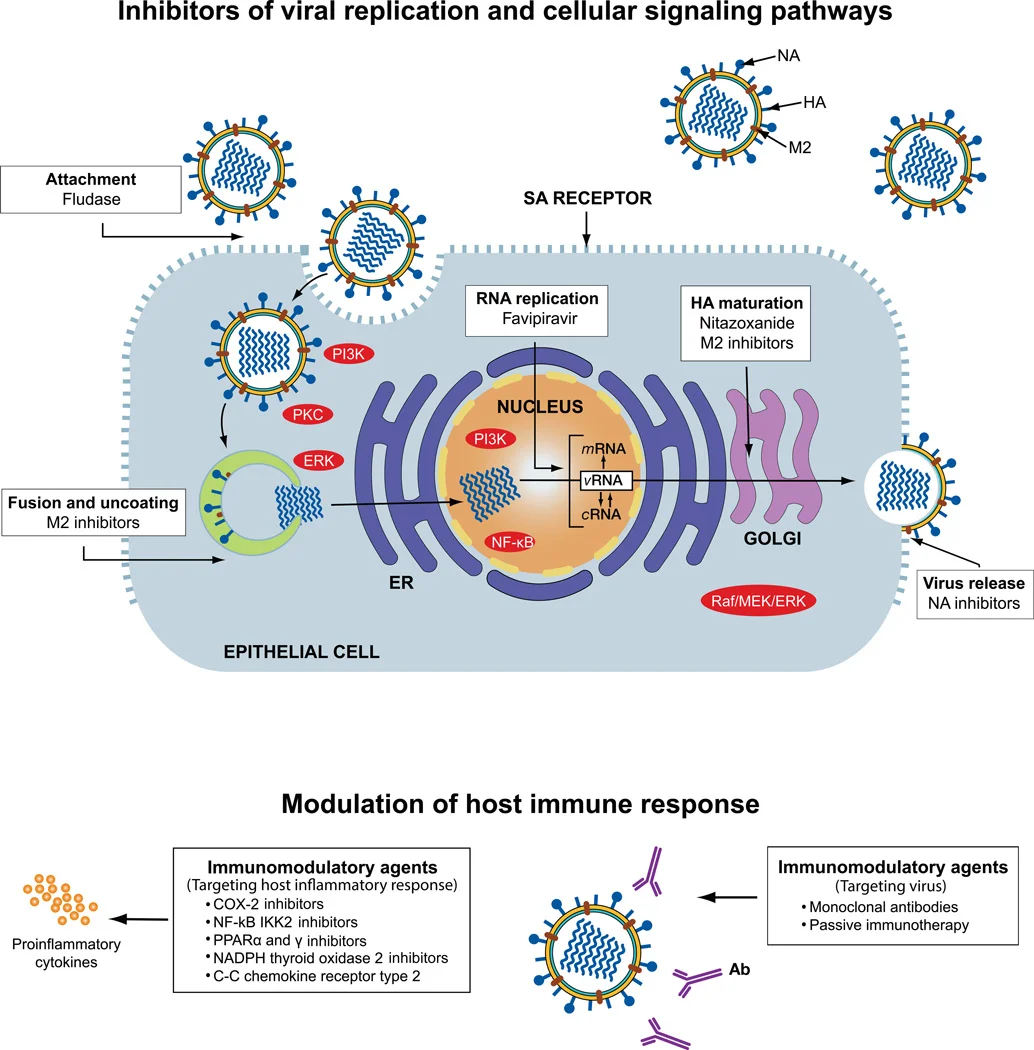
Amantadine used to be very useful for H3N2 and other flus. R
Unfortunately, these flus have shown recently to have resistance to adamantenes. R
Neuraminidase inhibitors oseltamivir and zanamivir are usually used instead in replacement. R
Also dryocrassin can be used against H5N1. R
Amantadine is still useful for certain flus in Egypt. R
2. Can Worsen Alzheimer's Disease

Amantadine is anticholinergic and can induce cognitive function problems. R R
3. Can Induce Livdeo Reticularis
Livedo reticularis (LR) is a spastic-anatomical condition of the small vessels which translates morphologically by a reticular pattern, interspersing cyanosis, pallor and erythema. R
Although rare, a case report showed that a parkinson's patient developed LR after continued use of amantadine. R
4. Can Be A Pro-Oxidative
Many patients are required to take amantadine with anti-oxidants, because of its affect on increasing oxidative stress. R
5. Other Side Effects
Other side effects are:
- Agitation R
- Anxiety R
- Constipation R
- Corneal edema R
- Difficulty concentrating R
- Dry Mouth R
- Hallucinations R
- Insomnia R
- Nervousness R
- Peripheral neuropathy R
- Psychosis R
It can also exacerbate pre-existing seizure disorders and psychiatric symptoms in patients with schizophrenia or Parkinson's disease. R
It can also cause severe skin rashes, such as Stevens-Johnson syndrome and suicidal thoughts. R
Amantadine may induce serotonin syndrome in patients with renal failure. R
Alternatives To Amantadine
Supplements:
Drugs:
- Amantadine (not sure how reputable this source is)
- Bromantane R
- Gabapentin R
- Ketamine R
- Memantine R
- Nitrous Oxide (different than Nitric Oxide) R
Mechanism Of Action
Neurogenic:
- Amantadine may promote dopaminergic activity by facilitating presynaptic release and blocking reuptake postsynaptically. R
- Essentially it enhanced neurotransmission in the dopamine-dependent nigrostriatal, mesolimbic, and frontostriatal circuits that are responsible for mediating arousal, drive, and attentional function. R
- Increases in prefrontal cortical metabolism and a nonsignificant increase in striatal D2 dopamine–receptor availability. R
Amantadine:
- Blocks dopamine reuptake R
- Blocks m2 channel R
- Blocks noradrenaline uptake R
- Blocks serotonin uptake in forebrainR
- Doesn’t affect MAO R
- Is a NMDA antagonist R
- Is anticholinergic (specifically nicotinic alpha7) R
- Increases Dopamine release R
- Increases blood pressure (it can also antagonize vagus nerve stimulation-induced blood pressure decrease) R R
- Increases BDNF (in cerebral cortex) R
- Increases GDNF (in astroglia) R
- Reduces activation of microglia R
More Research
- Amantadine does not help with post-operative pain. R
- Using microneedles for transdermal administration of amantadine may be more beneficial for PD. R
- Bromocriptine is more effective than amantadine in cocaine detoxification. R
- Amantadine may help with opiate withdrawal symptoms when combined with Clonidine. R
Jacob Gordon
INHC, FMT-C
Integrative Nutrition Health Coach
I cover mold illness, post-viral recovery, methylation, and complex chronic disease, drawing on ten years of clinical research, work inside a functional medicine clinic, and my own recovery from all of it. Every claim here is cited.
Book a ConsultationRelated Protocols & Supplements
Deep-dive chapters and recommended supplements for this topic
Quercetin
500mg 2x/day
Vitamin D3 + K2
5000 IU + 200mcg/day
DAO Enzyme
1 cap before meals