Curcumin: Anti-Inflammatory Mechanisms, Absorption, And Safety
By Jacob Gordon, INHC, FMT-CCurcumin is one of the most studied natural anti-inflammatory compounds, yet its benefits are often overstated and its absorption problem is frequently ignored.
In this post, we will discuss what curcumin actually does, why plain turmeric powder is not enough, how formulation affects efficacy, and where the safety limits are.

What Is Curcumin
Curcumin is the primary bioactive polyphenol in turmeric (Curcuma longa), the yellow spice used in curry and traditional medicine. RTurmeric contains several curcuminoids, but curcumin makes up the majority of the researched activity. R
It has been used for centuries in Ayurvedic and Traditional Chinese Medicine for inflammatory conditions, digestive complaints, and wound healing. R
Modern research focuses on its effects on NF-κB, COX-2, oxidative stress, and the gut microbiome. R
Anti-Inflammatory Mechanisms
Curcumin is pleiotropic, meaning it affects multiple pathways at once. R
NF-κB Inhibition
Nuclear factor-kappa B (NF-κB) is a master transcription factor that turns on pro-inflammatory genes. RCurcumin blocks NF-κB activation, which reduces downstream cytokines like TNF-α, IL-1β, and IL-6. R
COX-2 Suppression
Curcumin inhibits cyclooxygenase-2 (COX-2), the enzyme targeted by NSAIDs like ibuprofen. R
Unlike some NSAIDs, curcumin does not strongly inhibit COX-1, which may explain its gentler effect on the gastric mucosa. R
Antioxidant Effects
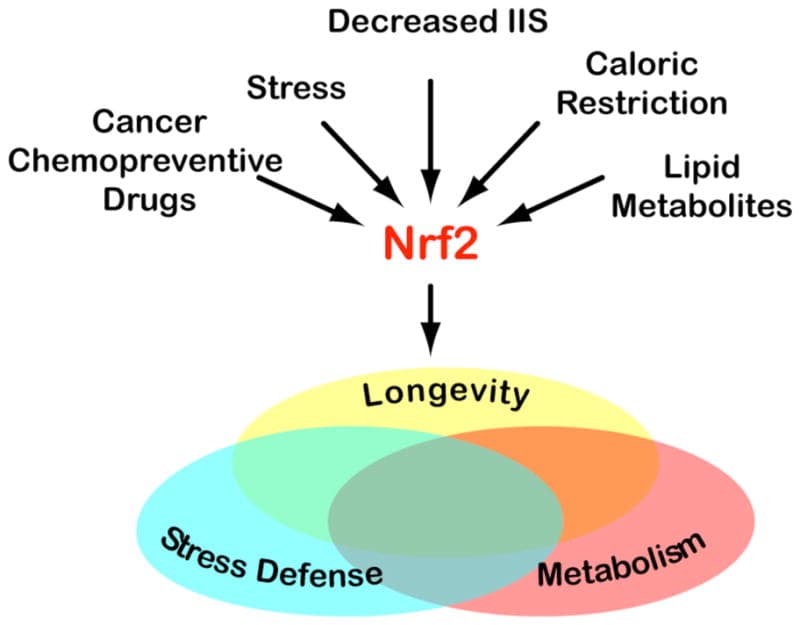
Curcumin directly scavenges free radicals and upregulates endogenous antioxidant enzymes through the Nrf2 pathway. R
This dual action, both direct and indirect, makes it relevant for conditions driven by oxidative stress.
The Bioavailability Problem
Plain curcumin has notoriously poor bioavailability. R
It is poorly soluble in water, rapidly metabolized by glucuronidation and sulfation in the gut and liver, and quickly eliminated from the bloodstream. R
Consuming large amounts of turmeric powder often produces negligible plasma curcumin levels. R
This is why formulation matters more than milligram count.
Formulations That Work
Piperine / Bioperine
Piperine, an alkaloid from black pepper, inhibits glucuronidation enzymes that break down curcumin. RStudies have shown it can increase curcumin bioavailability by up to 2000% in some formulations. R
Phytosomes
Curcumin-phosphatidylcholine complexes, often marketed as Meriva or Longvida, improve absorption by making the compound more lipid-friendly. R
These formulations have shown better plasma levels and clinical outcomes in several trials. R
Liposomal And Nanoparticle Forms
Liposomal and nanoparticle formulations encapsulate curcumin in lipid spheres, protecting it from digestion and enhancing uptake. R
These are among the most bioavailable forms currently available.
Adjuvants
Curcumin is sometimes combined with quercetin, resveratrol, or ginger to enhance absorption and synergistic anti-inflammatory effects. R
Benefits
Osteoarthritis
Meta-analyses show that curcumin extracts can reduce pain and improve function in osteoarthritis, with effects comparable to ibuprofen or diclofenac in some trials. R
Benefits are typically seen at 500-1000 mg per day of standardized extract for 8-12 weeks. R
Depression
Curcumin has shown antidepressant effects in several meta-analyses, likely through anti-inflammatory, neuroprotective, and monoaminergic mechanisms. R
Effects appear stronger when inflammation is elevated at baseline. R
Gut Health
Curcumin modulates gut microbiota composition and reduces intestinal inflammation. R
It may support gut barrier integrity, though human data are still emerging. R
Metabolic Health
Some trials show improvements in fasting glucose, insulin sensitivity, and lipid profiles with curcumin supplementation. R
Effects are modest and may depend on baseline metabolic status and formulation.
Dosage And Safety
Clinical studies typically use 500-2000 mg per day of standardized curcumin extract, often 95% curcuminoids. R
Curcumin is generally recognized as safe (GRAS) by the FDA. R
High doses up to 8000-12000 mg per day have been used in some trials without serious adverse effects, though this is unnecessary for most people. R
Common side effects include nausea, diarrhea, and stomach upset, especially at higher doses.
Gallstones And Biliary Obstruction
Curcumin stimulates gallbladder contraction and bile flow. R
If you have gallstones or biliary obstruction, this can trigger biliary colic or dislodge a stone. R
Avoid curcumin if you have known gallstones unless supervised by a clinician.
Bleeding Risk
Curcumin has mild antiplatelet effects and may interact with anticoagulant medications. R
Use caution if you take warfarin, clopidogrel, aspirin, or are scheduled for surgery.
Pregnancy And Breastfeeding
Safety data in pregnancy and breastfeeding are limited. R
High-dose curcumin is generally avoided in pregnancy due to its uterine-stimulating and antiplatelet properties.
Mechanisms Of Action
Simple:
Curcumin blocks NF-κB, a master switch for inflammation. It reduces COX-2 activity, similar to ibuprofen but with less gastric irritation. It scavenges free radicals and boosts the body's own antioxidant defenses.Advanced:
NF-κB pathway inhibition. Curcumin prevents IκBα phosphorylation and p65 nuclear translocation, blocking transcription of TNF-α, IL-1β, IL-6, and COX-2. R Nrf2 activation. Curcumin stabilizes Nrf2, increasing expression of heme oxygenase-1, glutathione S-transferase, and other antioxidant response genes. R COX-2 modulation. Curcumin suppresses prostaglandin synthesis through COX-2 downregulation without the same COX-1 inhibition seen with many NSAIDs. R Microbiome modulation. Curcumin increases beneficial taxa and reduces pro-inflammatory microbial metabolites, though human data are less consistent than in vitro data. RGenetics
NFKB1
NFKB1 encodes a subunit of NF-κB. RVariants may influence baseline inflammatory tone and response to NF-κB inhibitors like curcumin, though direct curcumin-gene interaction trials are limited.
NFE2L2
NFE2L2 encodes Nrf2, the master regulator of the antioxidant response. RPolymorphisms may affect how strongly curcumin induces antioxidant enzymes.
CYP2C9 / CYP3A4
Curcumin is metabolized partly by cytochrome P450 enzymes including CYP2C9 and CYP3A4. R
Genetic variation in these enzymes may alter curcumin metabolism and drug interactions.
More Research
Cancer. Preclinical studies show curcumin inhibits proliferation and induces apoptosis in several cancer cell lines, but human clinical translation has been limited by bioavailability. R Neurodegeneration. Curcumin crosses the blood-brain barrier in some formulations and has been studied for Alzheimer's and Parkinson's disease, though clinical evidence is preliminary. R Autoimmunity. Curcumin has been explored in rheumatoid arthritis, lupus, and inflammatory bowel disease, with some positive signals in RA. R- Testing. For biomarker testing I use the Inflammation Panel and Comprehensive Metabolic Panel to track hs-CRP, ESR, and other inflammatory markers.
Jacob Gordon
INHC, FMT-C
Board Certified Health Coach
I spent years battling unexplained chronic illness before discovering biohacking, epigenetics, and functional medicine. Now I share that research at MyBioHack to help others find their own answers.
Book a ConsultationRelated Protocols & Supplements
Deep-dive chapters and recommended supplements for this topic
Spore-Based Probiotics
1 cap with food
L-Glutamine
5g 2x/day on empty stomach
Butyrate
300mg 2x/day with meals