GDNF: What It Is and 67+ Natural Ways To Increase Glial Cell Line-Derived Neurotrophic Factor
By Jacob Gordon, INHC, FMT-CThis article contains affiliate links. As an Amazon Associate, MyBioHack earns from qualifying purchases at no extra cost to you. We only link products we research and stand behind.
Glial Derived Neurotrophic Factor (GDNF) is an essential growth factor for the kidneys, spinal cord, exerting a wide range of effects on addiction, Alzheimer's, Parkinson's, neuropathy, gut inflammation, and more. R

Basics
GDNF was discovered in 1991 by researchers at Syngeren in Boulder, Colorado. R
GDNF is a neurotrophic protein (like BDNF, NGF, CNTF, CDNF, and MANF). R
It promotes the survival of many types of neurons. R
It promotes learning and memory. R
GDNF also regulates kidney development and spermatogenesis, and it affects alcohol consumption. R
Benefits
1. Improves Parkinson's Disease

GDNF regulates dopamine in the brain. R
GDNF and dopamine are known to be down-regulated in Parkinson's disease (PD) patients. R R
GDNF has regenerative properties for brain cells and shows may be potential treatment for PD. R
Monkeys with PD showed less trembling with taking GDNF. R
In humans, neuronal fibers grew in part of the brain that were exposed to GDNF. R
Animal models of PD have shown that several neurotrophic factors, including GDNF and other compounds, reduce apoptosis and increase resistance of dopamine neurons to neurotoxins in vitro. R
GDNF's effects for healing PD are more effective when combined with CDNF or MANF. R R
2. Helps Alcoholism

GDNF reduces the motivation to consume and seek alcohol (via activation of the MAPK pathway). R
It does this by inhibiting the need to binge drinking. R
3. Plays A Role in Kidney Development
GDNF helps the kidneys develop by promoting the branching of the ureteric bud. R
Kidneys that developed without the GDNFr gene, displayed significant branching abnormalities. R
4. Helps Peripheral Nervous System Functions
GDNF regulates neurite branching, synaptic plasticity, and phenotypes of several neuronal populations. R
It promoted differentiation of:
5. May Help Treat Addiction

Reduced levels of endogenous GDNF created changes in (dorsal striatal and accumbal) dopaminergic transmission. R
Endogenous GDNF may regulate dopamine in treating addiction. R
For example, repeated morphine administration increases GDNF expression (by stimulating VTA dopaminergic neurons). R
Another example, GDNF helped rats crave less cocaine. R R
Essentially, rats that expressed less GDNF or had lower levels craved more stimulants and opioids. R R
6. Plays a Role in ALS and Alzheimer's Disease
GDNF has been shown to be dysregulated in in Alzheimer's patients' brains. R
In Alzheimer's patients, GDNF was higher in CSF and plasma, but decreased serum concentration. R R
Also, GDNF administration can protect against Alzheimer's from aluminum. R
7. Supports Neuronal Health

NGF, GDNF, and GFLs are crucial for the development and maintenance of distinct sets of central and peripheral neurons. R
Exogenous GDNF supports survival of:
noradrenergic neurons R
peripheral sensory and autonomic neurons R
forebrain cholinergic and GABAergic neurons R
8. Protects the Brain
GDNF protected the brain from stroke (by blocking the increase of NO during stroke).R
GDNF injected two days before a full artery blockage prevented the loss of hippocampal neurons. R
GDNF also helps with seizures and epilepsy by acting as a anticonvulsant. R
9. Helps Neuropathy
Neuropathic pain arises as a debilitating consequence of nerve injury. R
GDNF both prevented and reversed sensory abnormalities that developed in neuropathic pain. R
GDNF may be a therapeutic treatment for neuropathic pain. R
10. Plays A Role in the Pancreas
Exogenous GDNF supports the survival of pancreatic β-cells. R
Over expression of GDNF may be a sign for pancreatic cancer. GDNf may also be important for pancreatic cancer development. R
It does this by upregulating the expression and enzymatic activity of MMP-9. R
So it's probably better to not try to increase GDNF if you have pancreatic cancer.
11. May Be Useful After LCSD
Left cardiac sympathetic denervation (LCSD) is an important therapeutic option for patints with (LQTS) long QT syndrome and (CPVT) catecholaminergic polymorphic ventricular tachycardia. R
In rats, GDNF was produced for nerve regeneration. This may be helpful for patients recovery after LCSD. R
12. Important for the Gut
Chronic inflammatory bowel disease (IBD) is most commonly categorized into Crohn's disease (CD) and ulcerative colitis (UC) and afflicts primarily the distal small and large intestine. R
In patients with CD, GDNF was increased. Reducing GDNF in the gut may help patients with CD. R
GDNF enhances the migration of colon cancer cells (by increasing VEGF-VEGFR interaction). R
In early stage gastric cancer, GDNF (along with MINT25) were molecular markers for the disease. R
13. May Improve Auditory Perception
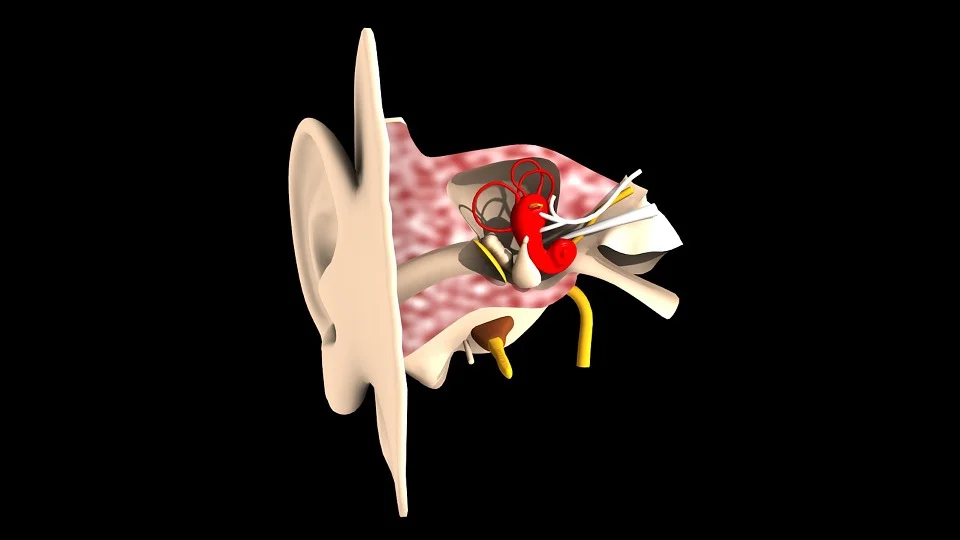
GDNF along with chronic electrical stimulation in cochlear implant recipients may improve their auditory perception. R
14. May Help the Testes
Sertoli cells are in the testicles responsible for producing sperm and testes formation. R R R
GDNF stimulates the proliferation of immature Sertoli cells (by activation of ERK1/2 signaling pathway). R
15. May Help with Mood Disorders
Lower GDNF levels might be involved in the pathophysiology of mood disorders. R R
GDNF may be lower in patients with major depression and bipolar disorder. R
How To Increase GDNF

Lifestyle/Diet
Calorie Restriction (Ketogenic Diet) R
Intermittent Fasting R
Stress Reduction (GDNF is suppressed by stress) R
Hormones/Neurotransmitters/Pathways
Active Vitamin D (supplementing Vitamin D will help as well) R R R
Cyclic Amp R
HDAC inhibition R
Incretin (GLP-1 and GIP) R
Serotonin R
Testosterone R
Supplements
Astragalus (Huang Qi) R
Kai-xin-san (KXS) R
Lithium R
Silver R
Drugs/Chemicals
Apomorphine (see below about downregulation) R
Amitriptyline R
BT13 R
Cabergoline R
Clomipramine R
Fluoxetine R
Ladostigil R
Leu-Ile R
M30 R
Mazidol R
Mianserin R
NSI-189 R
Paroxetine R
PRE-084 R
Pulichalconoid B R
Ragasaline R
Riluzole R
Selegiline (as well as desmethylselegiline) R
Telmisartan R
Valproic Acid R
Devices/Other
Electroconvulsive Therapy R
Electro Acupuncture R
Photobiomodulation R
Radiation Therapy R
Semen R
Transcranial Magnetic Stimulation (as well as chronically/repeated TMS) R
Decrease GDNF
Caveats
GDNF is upregulated in children with ADHD. R
Mechanism of Action
GDNF, together with three related molecules, neurturin, artemin, and persephin, constitutes the GDNF family ligands. R
The neurotrophic effect of GDNF, except in motoneurons, requires the presence of TGF- β, which activates the transport of GFRα1 to the cell membrane. R R
It recruits either RET or NCAM for intracellular signaling. R
GDNF:
GDNF administration helps detox ROS: superoxide dismutase, catalase and glutathione peroxidase. R
In PD, α-syn downregulates transcription factor Nurr1 and consequently GDNF signaling receptor RET, disrupting GDNF signalling in DA neurons. R
GDNF is required for the development of the enteric nervous system and together with NRTN they are critical regulators of the development of parasympathetic neurons. R
GDNF is not able to rescue DA neurons in α-synuclein overexpression models of PD. R
In the eyes, administration of neurturin or GDNF with BDNF had additive effects on the survival of axotomized retinal ganglion cells. R
In sperm cells, JAG1 regulates GDNF expression. R
Increases dopamine (increases TH levels and sprouting of TH-reactive fibers, as well as increase in dopamine turnover and stimulus-induced dopamine release). R R
Increases tyrosine hydroxylase (TH) neurons R
Suppresses LDH leakage R
Upregulates B cell lymphoma 2 (BCL2) R
Upregulates heat shock 60 kDa protein 1 (HSP60) levels R
Genetics
More Research
High doses of GDNF inhibited REM sleep in rabbits. R
Human T cells, B cells, and monocytes produce NTN but not GDNF. R
GDNF and Forskolin targeted different subpopulations of TH/TFF1 neurons. R
Administration of GDNF improved saliva production. R
GDNF-RET signaling promoted the survival of aromatase inhibitor-resistant cells and elicited resistance in aromatase inhibitor-sensitive cells, during treatment of breast cancer. R
Jacob Gordon
INHC, FMT-C
Integrative Nutrition Health Coach
I cover mold illness, post-viral recovery, methylation, and complex chronic disease, drawing on ten years of clinical research, work inside a functional medicine clinic, and my own recovery from all of it. Every claim here is cited.
Book a ConsultationRelated Protocols & Supplements
Deep-dive chapters and recommended supplements for this topic
Lion's Mane
1000mg/day
Omega-3 (DHA)
2g/day
Phosphatidylserine
100mg 3x/day