The 7+ Benefits Of Bladder Mallows (Herissantia)
By Jacob Gordon, INHC, FMT-CThis article contains affiliate links. As an Amazon Associate, MyBioHack earns from qualifying purchases at no extra cost to you. We only link products we research and stand behind.
Bladder Mallows is a common herb found in Brazil.
In this post, we will discuss Bladder Mallows' possible benefits and some alternatives.
Basics
Bladder Mallows (BM) aka Herissantia is popularly known as "mela-bode" or "lava-prato". R
It is commonly found in the Brazilian northeast and in folk-lore, it has traditionally been used to treat fevers and the flu. R
BM has a wide array of potential therapeutic benefits acting on allergies, anxiety, infections, the heart, and pain. R
Benefits Of Bladder Mallows
1. May Reduce Asthma And Allergies
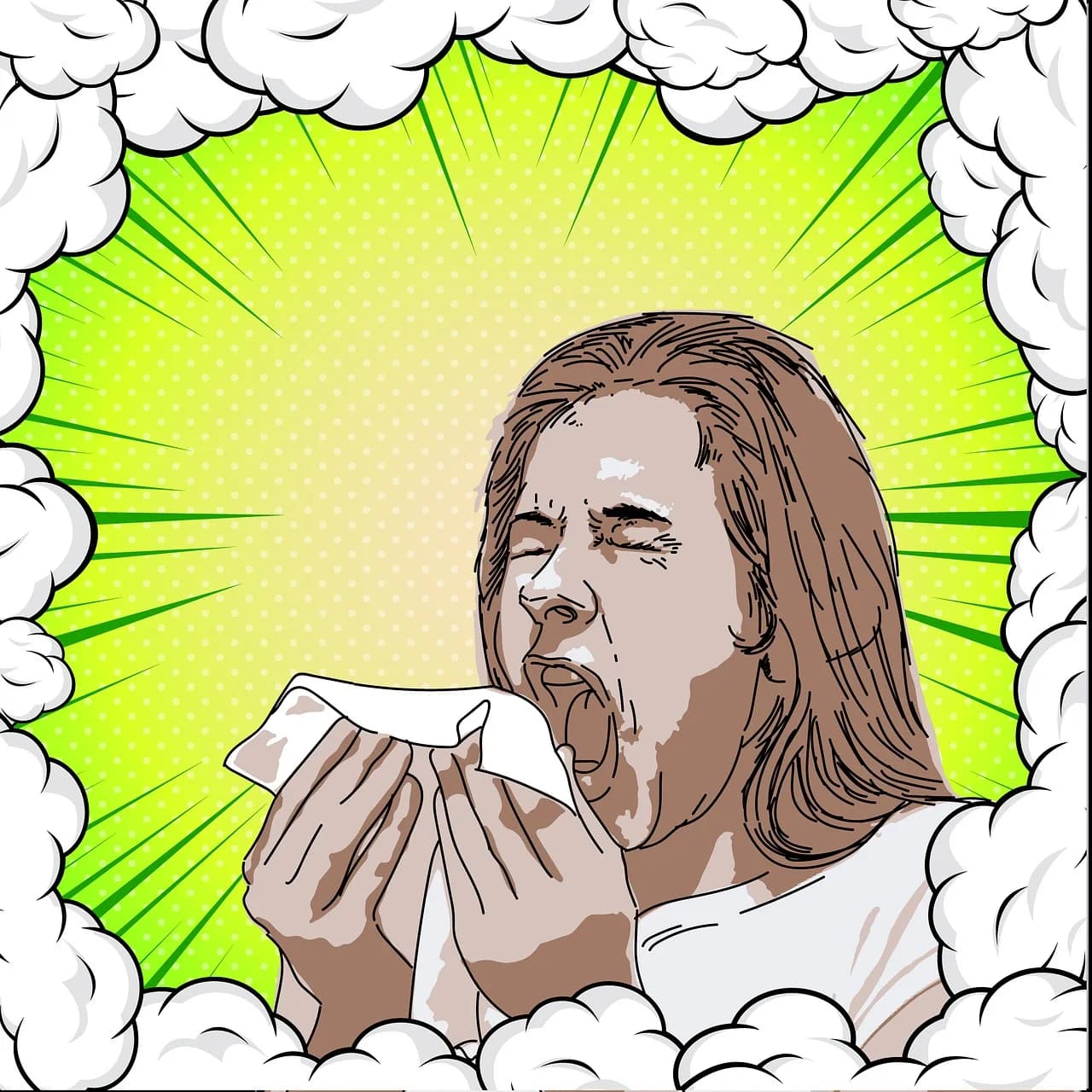
BM may be able to reduce the symptoms of asthma. R
For example, it can also reduce allergic inflammation in animal models with chronic asthma. R
BM is also able to reduce mucus from building up in the lungs. R
BM also has anti-allergy effects. R
2. May Decrease Anxiety
In humans, anxiety is very common among asthmatics. R R R R
In animal models with asthma, BM was able to their reduce anxiety. R
3. Has Anti-Inflammatory Properties
Similarly to its ability to reduce asthma and allergy symptoms, BM has anti-inflammatory properties. R
For example, in animals models with carrageenan-induced swelling, BM is able to reduce inflammation by modulating the immune system. R
4. May Protect The Gut
Similarly to its regulation of mucus in the lungs, BM can regulate mucus in the gut as well, providing anti-ulcer properties. R
For example, BM is able to protect reduce gastric lesions in animal models given excessive alcohol and prevent diarrhea in animal models given castor oil. R
5. Makes Some Antibiotics More Effective
BM has shown anti-microbial effects against:
When BM is combined with antibiotics, it can make those antibiotics more effective. R
For example, in one study BM has shown to be very effective (128-fold) against bacterial resistance of Staphylococcus aureus when combined with norfloxacin (16-fold), ciprofloxacin (16-fold), lomefloxacin (four-fold) and ofloxacin (two-fold). R
Other studies have shown similar results. R
BM also has anti-fungal effects against Paracoccidioides brasiliensis. R
6. May Protect The Heart
BM may improve the vascular system. R
It may also decrease levels of high blood pressure. R
7. May Help With Pain
BM may reduce pain via regulation of glutamate (independent of the opioid system). R R
Bladder Mallows Alternatives
The best way to get the benefits of Bladder Mallows is probably by taking some of its bioactive components:
Caveats
In mice, BM has low toxicity showing no ill effect even at 2000 mg/kg. R
No clinical trials have been performed for BM.
Mechanism Of Action
Simple:
Decreases IgE R
Decreases IL-1beta R
Decreases IL-6 R
Decreases IL‐13 R
Decreases Nitric Oxide R
Decreases TNF-alpha R
Advanced:
Herissantia is part of the Malvaceae/mallows family (with over 244 genera and 4225 known species) and contains polyoxygen flavonoids, triterpenes, steroid, phenolic compounds and flavonoid glycosides such as kaempherol, lespedin, tiliroside, 5-hydroxyauranetin, araneosol, calycopterin, and sarothrin. R R R
In the lungs of rodents, HT can reduce immunoglobulins (IgE). R
HT reduces Interluekin-13 (IL‐13), which induces production of mucus by lung epithelial goblet cells, acting on their proliferation, differentiation, and secretory function, and it switches to IgE by B cells. R
HT also reduces CD3+ T‐lymphocytes and decreases percentage of B220+ cells (B cells) in the lungs. R
More Research
H. crispa has a low IC50 value (1.63 ± 0.86 mg/mL) compared to ascorbic acid in the TEAC assay. R
Jacob Gordon
INHC, FMT-C
Integrative Nutrition Health Coach
I cover mold illness, post-viral recovery, methylation, and complex chronic disease, drawing on ten years of clinical research, work inside a functional medicine clinic, and my own recovery from all of it. Every claim here is cited.
Book a ConsultationRelated Protocols & Supplements
Deep-dive chapters and recommended supplements for this topic
Electrolyte Complex
1 scoop/day
CoQ10
200mg/day
Magnesium Glycinate
400mg at bedtime