Improve Detrusor Sphincter Dyssynergia
By Jacob Gordon, INHC, FMT-CThis article contains affiliate links. As an Amazon Associate, MyBioHack earns from qualifying purchases at no extra cost to you. We only link products we research and stand behind.
In Detrusor Sphicnter Dyssnergia, patients have trouble feeling the urge to urinate.
Basics

The human bladder has two functions: to store and empty urine. R
In Detrusor Sphincter Dyssynergia (DSD), the detrusor muscle, urinary sphincters, and the central nervous system malfunction in coordinating with each other to perform simple bladder functions. R
These malfunctions can be disrupted by injury, inflammation, degenerative process or congenital malformation. R
DSD can increase the risk of developing Type 2 Diabetes. R
Mechanisms Of The Bladder
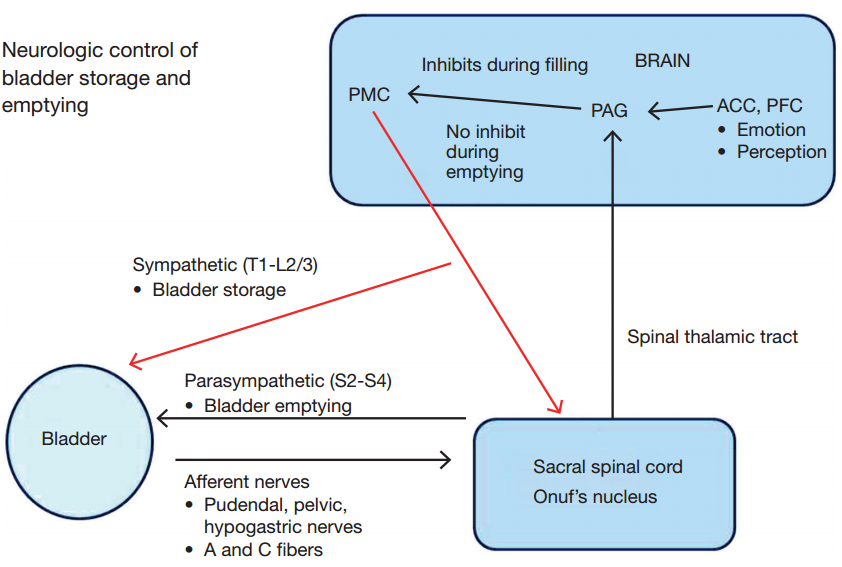
In the intact spinal cord, long descending fiber tracts from the midbrain coordinate the activity of the detrusor muscle and the urethral sphincte. R
For example. the detrusor muscle is relaxed while the sphincter muscle is contracted to allow for filling of the bladder, while voiding is characterized by relaxation of the urethral sphincter and contraction of the detrusor muscle. R
After SCI, input from the brainstem is partially lost. R
As such, simultaneous contractions of detrusor and sphincter emerge. R
In cystometry, detrusor sphincter dyssynergia (DSD) is in part represented by detrusor contractions against a closed urethral sphincter without release of fluid (i.e. uninhibited bladder contractions). R
In DSD, the muscle around the wall of the bladder (detrusor) contracts causing the urinary sphincter to also contract, even though the bladder is closed. R
This is how you get "dysfunctional voiding".
Pathology

DSD can happen from:
- Spinal cord injury (SCI) and spina bifida injury R
- Stroke (ischemic and hemorrhagic)
- Damage to the Pons
- Multiple sclerosis
- Cancer
- Dementia
- Parkinson's Disease
- Lock Jaw (Tetanus) R
- Chronic prostatitis (and related infections) R
- Herniated discs
- Diabetes
- HIV/AIDs
- Cerebral Palsy
- Poliomyetlitis
- Guillain-Barre Syndrome
- Postherpetic Neuralgia
- Neuromyelitis optica spectrum disorders R
Microbiome
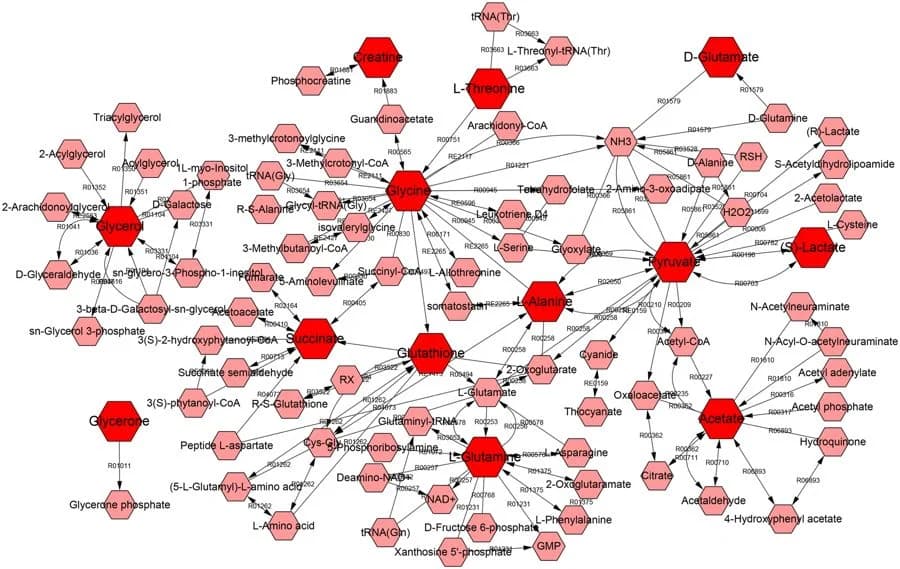
The microbiome of the bladder and metabolites may play a role in DSD.
For example in urinary incontinence (UUI), the inability to control the detrusor function, the urinary microbiome diversity has been associated with response to solifenacin—an orally administered anticholinergic medication used to treat UUI. R
In the gut, dysbiosis has been shown to impair recovery after spinal cord injury. R
This may add more complications to DSD.
Biomarkers And Tests
Treatment
Lifestyle/Diet
- Treat Multiple Sclerosis
- Stimulate the Dorsal Root Ganglion (strengthen the sensations/connection between brain and body) R
- Vagus Nerve Stimulation? (enhance parasympathetic system, can increase Acetylcholine) R
- Decrease BDNF and NGF (as they increase p75ntr signaling, you could take p75 inhibitors) R R R R R
- Increase Nitric Oxide (reduces bladder outlet obstruction) R R
- Treat underlying dysbiosis
Supplements
- Prosultiamine (improves bladder pressure) R
- Capsaicin (helps spinal cord) R
Drugs
Advanced Treatments
- Stem Cell Therapy R
- GM6001 (a MMP inhibitor) R
- Olfactory mucosal transplantation (very effective in rats) R
- Tibial nerve stimulation (for overactive bladder)
- Tamsulosin R
- Baclofen (has trouble going through BBB, so needs to be taken intrathecally) R
- Intravesical Oxybutynin R
- Catheterization R
- Urethral Stents R
- Sphincterotomy R
- Rhizotomy R
Other
Caveats
Procedures to open the bladder neck/outlet, such as trans-urethral resection of the prostate (TURP) should be undertaken with caution in Shy-Drager and multiple systems atrophy, since they have a high likelihood of rendering the patient incontinent. R
More Research
Jacob Gordon
INHC, FMT-C
Board Certified Health Coach
I spent years battling unexplained chronic illness before discovering biohacking, epigenetics, and functional medicine. Now I share that research at MyBioHack to help others find their own answers.
Book a ConsultationRelated Protocols & Supplements
Deep-dive chapters and recommended supplements for this topic
Electrolyte Complex
1 scoop/day
CoQ10
200mg/day
Magnesium Glycinate
400mg at bedtime