The 9+ Benefits Of Geraniol: The Rose-Scented Terpene That Inhibits Biofilms, Lowers Cholesterol, And Calms The Gut
By Jacob Gordon, INHC, FMT-CThis article contains affiliate links. As an Amazon Associate, MyBioHack earns from qualifying purchases at no extra cost to you. We only link products we research and stand behind.
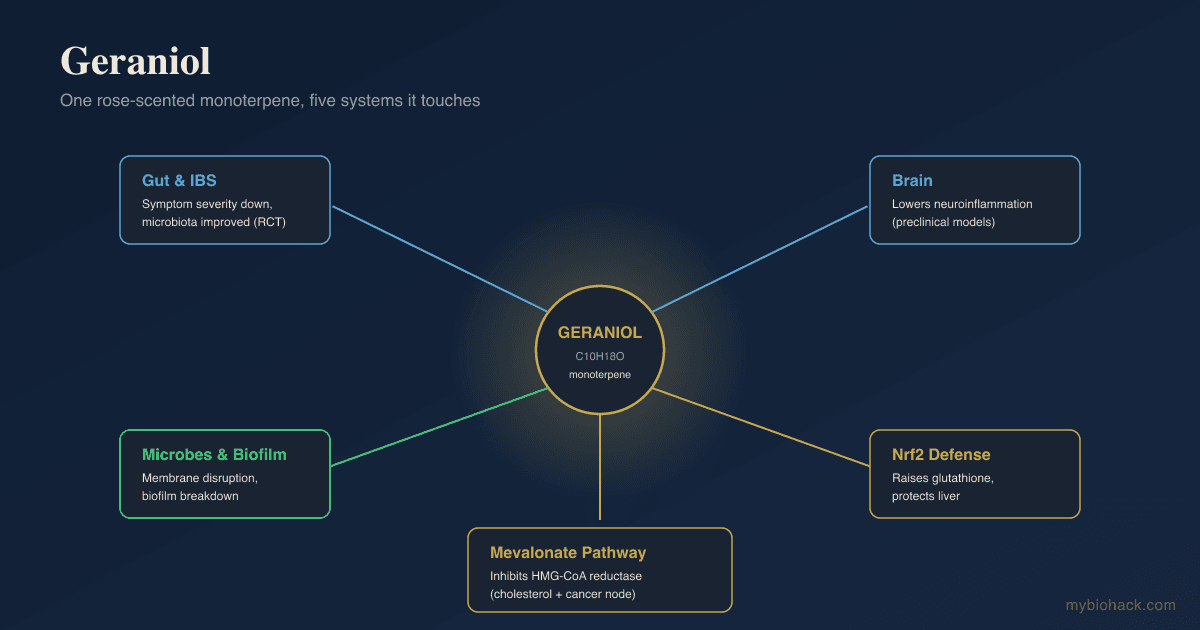
Geraniol is a plant monoterpene best known for the smell of roses, but its pharmacology reaches into the gut, the liver, the brain, and the mevalonate pathway that statins target.
In this post, we will discuss what geraniol is, what it does in the body, where to get it, how to dose it safely, the mechanisms behind its effects, and the genetics that shape how you respond to it.

What Is Geraniol
Geraniol is an acyclic monoterpene alcohol with the formula C10H18O.
It is one of the most widely distributed terpene alcohols in the plant kingdom and the dominant aroma compound in rose, palmarosa, and citronella oils.
Chemically it sits at a branch point of the mevalonate pathway, the same isoprenoid pathway your own cells use to build cholesterol, dolichol, and the prenyl groups that anchor signaling proteins to membranes.
That structural overlap is why a fragrance molecule ends up acting on cancer cell metabolism, cholesterol synthesis, and antioxidant defense rather than just smelling nice.
Geraniol has documented anti-inflammatory, anticancer, antimicrobial, antioxidant, and neuroprotective activity across a large preclinical literature. R
After ingestion it is rapidly absorbed and metabolized, oxidized to geranial and geranic acid and conjugated for excretion, which means it does not accumulate. R
Benefits Of Geraniol
1. Improves IBS Symptoms
This is the strongest human evidence geraniol has.
A double-blind randomized controlled trial gave a low-absorbable geraniol supplement to patients with Irritable Bowel Syndrome (IBS) for four weeks. R
The IBS Symptom Severity Score dropped significantly versus placebo, with 52% of the geraniol group classified as responders compared to 17% on placebo. R
The benefit was largest in the mixed IBS subtype, and it came with a measurable shift in the gut microbiota, including a rise in Faecalibacterium, a major butyrate producer. R
Notably, circulating cytokines did not change, so the symptom relief was not coming from systemic anti-inflammatory action (the effect looks local to the gut).
2. Inhibits Biofilms
Geraniol disrupts the protective biofilms that let bacteria evade antibiotics and the immune system.
In an in vivo model, geraniol inhibited biofilm formation by methicillin-resistant Staphylococcus aureus and increased the therapeutic effect of vancomycin. R
This matters because biofilm is the reason chronic gut and tissue infections are so hard to clear, and why single antimicrobials often fail.
If you are working on a stubborn dysbiotic gut, geraniol belongs in the same conversation as the other agents in 380+ Ways To Inhibit Biofilms.
3. Acts As A Broad Antimicrobial
Beyond biofilm, geraniol is directly antibacterial.
Palmarosa essential oil and isolated geraniol showed activity against clinical isolates from respiratory, skin, and soft tissue infections. R
The mechanism is membrane disruption: geraniol binds the bacterial cell wall, disorganizes the membrane, and causes loss of ions and ATP depletion. R
Because it works on the membrane rather than a single protein target, resistance is slower to develop than with conventional antibiotics.
This antimicrobial reach is also why geraniol is a reasonable tool to consider alongside diet when addressing dysbiosis.
4. Lowers Cholesterol By Hitting The Same Target As Statins
Geraniol suppresses HMG-CoA reductase (HMGCR), the rate-limiting enzyme of cholesterol synthesis and the exact target of statin drugs.
In human Hep-G2 liver cells, geraniol inhibited HMGCR at both the transcriptional and post-transcriptional level, reducing cholesterol output. R
It also blunted phosphatidylcholine biosynthesis and slowed cell proliferation through the same mevalonate-pathway interference. R
This is a gentler, upstream nudge on the pathway rather than the hard pharmacological block a statin delivers (do not treat it as a statin replacement).

5. Anticancer And Chemopreventive Activity
The mevalonate effect carries directly into oncology.
Tumor cells rely on the mevalonate pathway to prenylate growth-driving proteins like Ras, and geraniol starves that process.
Across colon, prostate, breast, lung, liver, and pancreatic models, geraniol induces apoptosis, arrests the cell cycle at G0/G1, and modulates p53 and STAT3 signaling. R
It also sensitizes tumor cells to standard chemotherapy, enhancing the effect of agents like gemcitabine rather than acting alone. R
This is preclinical, not a treatment claim, but the consistency across cancer types is notable.
6. Activates Nrf2 And Restores Glutathione
Geraniol is an antioxidant, but not because it scavenges free radicals directly.
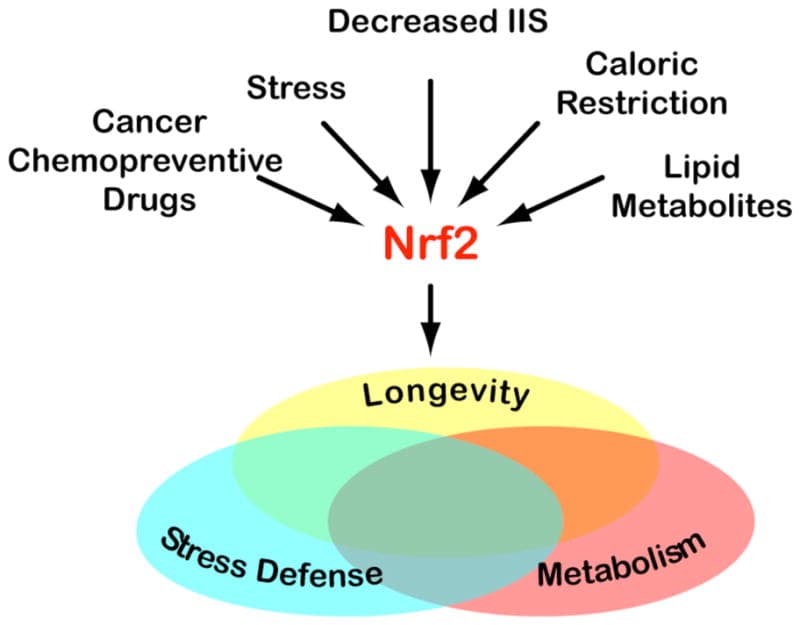
It activates Nuclear Factor Erythroid 2-Related Factor 2 (Nrf2), the master switch that turns on your endogenous antioxidant genes.
In a liver fibrosis model, geraniol raised reduced glutathione (GSH) and boosted superoxide dismutase, catalase, glutathione reductase, glutathione-S-transferase, and glutathione peroxidase. R
This is the same mechanism behind sulforaphane from broccoli sprouts, and the two share the upside and the caveat.
The caveat: if you have CIRS or mold illness, reflexively flooring Nrf2 can backfire, which I cover in Why NRF2 Activation Can Make You More Sick (not everyone should chase Nrf2 activation).

7. Protects The Liver
The antioxidant action translates into measurable liver protection.
Geraniol reduced hepatic malondialdehyde (a lipid peroxidation marker) and protected against carbon tetrachloride-induced liver fibrosis in rats. R
It also favorably modulates the liver's xenobiotic-metabolizing enzymes, which is relevant to how you clear toxins and drugs. R
8. Improves Blood Sugar Control
Geraniol shows consistent antidiabetic activity in animal models.
In streptozotocin-induced diabetic rats, geraniol lowered plasma glucose and HbA1c, raised insulin, and normalized the key enzymes of carbohydrate metabolism in a dose-dependent way. R
It also increased the number of insulin-positive cells in the pancreas, suggesting an effect on beta-cell preservation, not just glucose handling. R
In a separate model it protected the kidney from diabetic nephropathy by interfering with the miRNA-21/PTEN/Akt/mTORC1 axis. R
These are rodent doses, so the human translation is unproven (treat it as supportive, not therapeutic).
9. Neuroprotective Effects
Geraniol crosses into the brain and reduces neuroinflammation.
In an MPTP mouse model of Parkinson's disease, geraniol improved motor behavior and restored neurotrophic factors. R
In a D-galactose aging model, it attenuated oxidative stress and neuroinflammation-mediated cognitive impairment through Nrf2 and AKT signaling. R
The same Nrf2 mechanism that protects the liver appears to protect neurons.
Natural Sources
Geraniol shows up across common aromatic plants and foods, listed alphabetically:
- Citronella (a dominant component of citronella oil, which is why it doubles as an insect repellent)
- Geranium (Pelargonium species)
- Lemongrass
- Nutmeg
- Palmarosa (one of the richest natural sources)
- Rose (geraniol is a primary rose-scent molecule)
You also get trace dietary geraniol from citrus, carrots, and various berries and herbs, which is part of why it carries a strong safety record (humans have eaten it forever).
Dosage And Safety
Geraniol is on the FDA list of flavoring substances Generally Recognized As Safe (GRAS), and it is not classified as an oral toxin in humans. R
Acute oral toxicity is low, with a rat LD50 around 3.6 g/kg, and standard testing has not found it to be genotoxic, carcinogenic, or a reproductive toxin. R
For gut-targeted use, the IBS trial used a low-absorbable formulation dosed by body weight at roughly 2 to 4 capsules of 450 mg daily for four weeks, which is the most defensible human protocol to anchor on. R
For a general terpene supplement, look for a geraniol product and start low.
The one real caution is topical and inhaled exposure, not oral.
Geraniol is one of the 26 EU-regulated fragrance allergens, and roughly 1 to 2% of the general population reacts to it on patch testing. R
If you are fragrance-sensitive or have a chemically intolerant phenotype, read How Essential Oils And Fragrances Cause Sensitization before diffusing it, because oxidized geraniol is a more potent sensitizer than the fresh compound.
Mechanisms Of Action
Simple:
- Geraniol turns on your body's own antioxidant defense system (Nrf2) instead of acting as an antioxidant itself.
- It pokes a hole in bacterial membranes, which kills bacteria and breaks up the biofilms that shield them.
- It throttles the same cholesterol-building enzyme that statins block, which is why it touches both cholesterol and cancer cell growth.
Advanced:
- Mevalonate pathway suppression Geraniol inhibits HMG-CoA reductase transcriptionally and post-transcriptionally, lowering flux through the isoprenoid pathway. R This depletes farnesyl and geranylgeranyl pyrophosphate, impairing prenylation of small GTPases like Ras and starving cancer cells of a growth signal while also reducing endogenous cholesterol synthesis. R
- Nrf2/HO-1 axis activation Geraniol promotes nuclear translocation of Nrf2, driving antioxidant response element (ARE) transcription and upregulating heme oxygenase-1, glutathione synthesis, and the glutathione-dependent enzyme network. R R
- NF-kB inhibition Geraniol blocks NF-kB activation, lowering downstream transcription of inflammatory mediators, which is the backbone of its anti-inflammatory and chemopreventive profile. R
- Membrane disruption in microbes Geraniol partitions into the bacterial cell wall and disorganizes membrane dynamics, causing ion leakage and ATP depletion, a physical mechanism that also degrades biofilm integrity. R R
- Carbohydrate enzyme modulation In diabetic models geraniol restores the activity of hexokinase, glucose-6-phosphatase, and fructose-1,6-bisphosphatase toward normal, improving glucose utilization and reducing hepatic glucose output. R
Genetics
HMGCR
HMGCR encodes HMG-CoA reductase, the rate-limiting enzyme of cholesterol synthesis and geraniol's primary metabolic target.
A common intronic variant controls how much of the enzyme is made in a catalytically inactive spliced form.
rs3846662: carriers of the AA genotype have higher baseline total and LDL cholesterol and a different response to HMGCR inhibition, which plausibly shapes how much cholesterol benefit you get from geraniol. R
NFE2L2
NFE2L2 encodes Nrf2, the transcription factor geraniol uses to switch on antioxidant and glutathione genes.
A functional promoter variant sets your baseline Nrf2 expression and therefore the ceiling on geraniol's antioxidant effect.
rs6721961: the minor allele lowers basal Nrf2 expression and blunts ARE-mediated antioxidant transcription, so carriers may have weaker endogenous defenses for geraniol to amplify. R
More Research
Geraniol's IBS benefit appeared without any change in circulating cytokines, which argues the mechanism is local membrane and microbiota modulation in the gut rather than systemic anti-inflammatory action, an important distinction when deciding who it will help. R
The anticancer data are broad and mechanistically coherent, but they remain preclinical, and the doses used in rodent tumor work are far above what dietary or supplemental geraniol delivers in humans. R
The Nrf2 activation that makes geraniol hepatoprotective and neuroprotective is the same property that can worsen symptoms in a subset of CIRS and mold-illness patients, so it is not a universally safe push, see Why NRF2 Activation Can Make You More Sick. R
Topically and by inhalation, oxidized geraniol is a recognized contact allergen, so the safety profile of eating it does not transfer to diffusing aged essential oil. R
Jacob Gordon
INHC, FMT-C
Board Certified Health Coach
I spent years battling unexplained chronic illness before discovering biohacking, epigenetics, and functional medicine. Now I share that research at MyBioHack to help others find their own answers.
Book a ConsultationRelated Protocols & Supplements
Deep-dive chapters and recommended supplements for this topic
Spore-Based Probiotics
1 cap with food
L-Glutamine
5g 2x/day on empty stomach
Butyrate
300mg 2x/day with meals