The 27+ Benefits Of Burdock (Arctium lappa)
By Jacob Gordon, INHC, FMT-CThis article contains affiliate links. As an Amazon Associate, MyBioHack earns from qualifying purchases at no extra cost to you. We only link products we research and stand behind.

Burdock root has been used for centuries (over 3000 years) in China and in traditional Chinese medicine (TCM) for "purifying the blood", but in this post we will discuss the actual ways burdock works on improving the body.
Basics
Arctium lappa, commonly known as Burdock root, bardana, or Niubang (in Chinese), is a popular plant in traditional Chinese medicine (TCM), and is commonly promoted as a nutritive food.
For hundreds of years, burdock has been used as a culinary ingredient which is normally boiled down in soy sauce in Korea and Japan and is a frequently ingested food. R
Burdock has many health benefits and the main bioactive components of Burdock are: R R R
Arctiin
Arctigenin (arctigenin is the metabolite of arctiin formed via the catalysis of human intestinal bacteria) R
Beta-eudesmolinulin
Caffeic Acid
Caffeoylquinic Acid
Chlorogenic Acid
Crocin
Cynarin
Diarctignin
Gallic Acid
Inulin (fructooligosaccharides, FOS)
Lappaol (A, B, F)
Luteolin
Matairesinol/side
Methyl arctate-b
p-coumaric acid
Quercetin
Rutin
Sitosterol-beta-D-glucopyranoside
Tannins
Trachelogenin 4
Burdock also has: R
Amino acids (mostly Aspartic acid and Arginine)
Calcium
Carotene
Copper
Fiber
Iron
Manganese
Magnesium
Phosphorus
Potassium
Sodium
Vitamin A
Vitamin B1
Vitamin B2
Vitamin C
Zinc
and other components -> R

Benefits Of Burdock
1. Improves Antioxidant Status And Detoxification
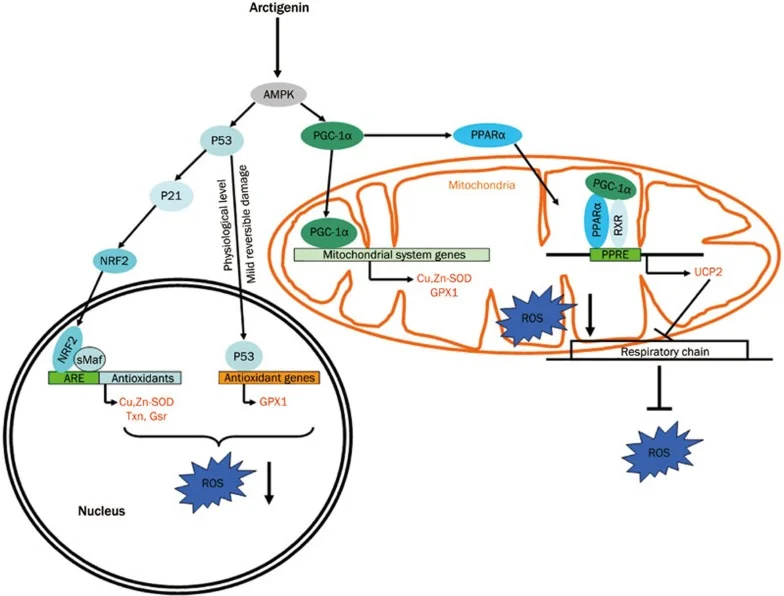
Burdock is a strong antioxidant as it can upregulate antioxidant levels and improve stage-2 detoxification. R R
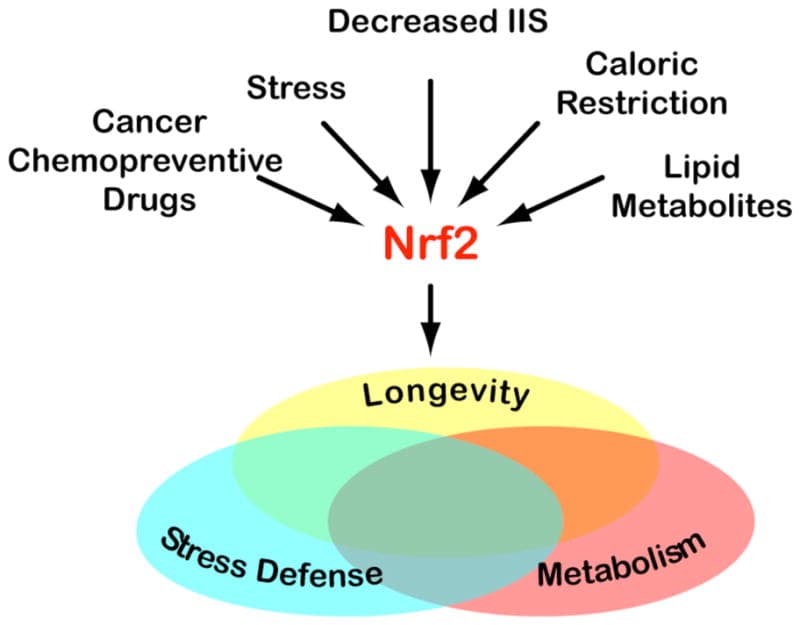
For example, in the brain burdock increases antioxdiant genes (such as NRF2 and HO-1). R
Burdock may be as strong (or stronger) of an antioxidant than Vitamin C. R
Burdock protects against LPS-induced inflammation. R R
Burdock helps with the removal/protection of some heavy metals:
2. Strengthens And Grows New Mitochondria
Burdock can enhance mitochondrial biogenesis and fatty acid synthesis. R
For example, in muscle cells arctigenin can dose-dependently increase ATP levels (although low doses may lower ATP levels). R R
It also increases levels of cytochrome c and uncoupling proteins. R
3. May Be Anti-Aging
Burdock may have anti-aging properties. R
For example, matairesinol (found in burdock) can increase the lifespan of worms by 25% (via regulation of DAF-16 pathway). R
4. Improves Hormones And Sperm Count
Burdock root may improve levels of luteinizing hormone (LH), follicle stimulating hormone (FSH), and testosterone. R R R
Burdock is a phytoestrogen and can bind to the estrogen receptor, similarly to selective estrogen receptor modulators (SERMs) and act a “natural” alternative to estrogen. R
Burdock root can protect reproductive organs during use of the antibiotic gentamicin. R
It can also protect the testicles from cadmium-induced damage. R
In models of diabetes, burdock root extract was able to improve sperm count. R
5. Improves Libido And Has Aphrodisiac Properties

Burdock may help with erectile dysfunction (ED) and premature ejaculation (PE). R
In animal models, burdock root can increase the frequencies of sex and ejaculation (similarly to viagra). R
6. Has Antimicrobial Properties
Burdock has anti-biofilm (inhibits quorum sensing) and antibacterial effects (similar to beta-lactam antibiotics). R R R
Burdock has antibacterial activity against:
Serratia marcescens R
Staphylococcus aureus R
Staphylococcus epidermidis R
Staphylococcus mutans R
Yersinia pseudotuberculosis R
Burdock has anti-fungal activity against:
Burdock has antiviral activity against:
Burdock has anti-parasitic activity against:
Schistosoma mansoni R
7. Helps With Allergies
Burdock can inhibit mast cells and reduce allergic inflammation. R R R
It can prevent IgE-mediated allergies (as well as anaphylactic shock) and stop mast cell's release of histamine and inflammatory cytokines. R
For example, arctigenin-containing latex gloves can prevent latex-induced allergy. R
8. May Help With Arthritis
In arthritis patients, burdock tea consumption of 6 g/day for 42 days was able to reduce proinflammatory cytokines and improve inflammatory status and oxidative stress. R
9. May Help With Diabetes
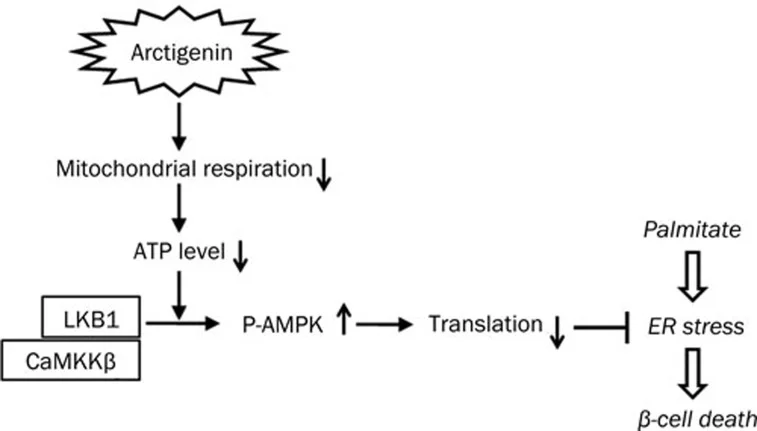
Burdock root can improve diabetes by reducing blood sugar, improving glucose tolerance, and preventing pancreatic cell death. R R R
Chronic oral administration of arctigenin can lower blood glucose and improve lipid metabolism. R R
Arctiin can decrease levels of HbA1C, triglycerides, and v-LDL, while improving levels of insulin, HDL, and leptin. R R
Inulin and sitosterol-beta-Dglucopyranoside (from burdock) can also help positvely regulate blood glucose levels. R
10. Improves The Gut And Microbiome
Arctigenin can reduce inflammation in the gut. R R
Fermented burdock root may improve the levels of bifidobacteria in the gut, increase levels of organic acids including lactate, acetate, propionate, and butyrate, and reduced fecal deoxycholic acid (a risk factor for colon cancer). R
Fermented burdock root may also improve levels of secretory IgA and mucins (biomarker of intestinal immune and barrier functions) and reduced fecal lithocholic acid (a risk factor for colon cancer). R
Arctigenin can also protect against formation of ulcers and enhance their healing (although not as strong as the drug omeprazole). R R
Artigenin can reduce TH1/TH17 induced inflammation in the gut. R
Arctiin may help prevent leaky gut and improve tight junctions in the intestinal barrier. R
11. Improves Exercise Performance, Endurance And Fatigue
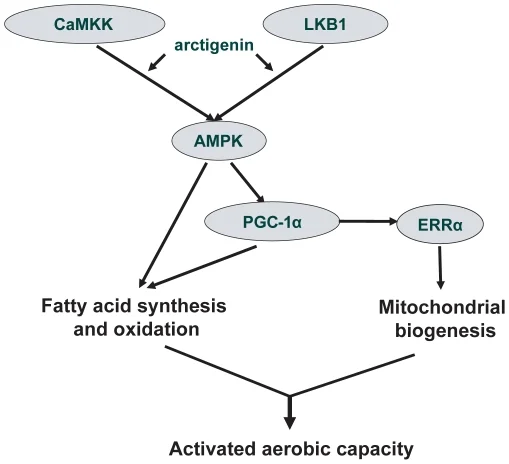
Burdock may help reduce oxidative stress, decrease muscle damage, and improve exercise performance.
In multiple studies, burdock and its bioactive components have shown to improve physical performance/endurance, reduce physiological fatigue, and improve grip strength. R
For example, arctigenin increase exercise endurance by increasing antioxidant levels in muscles and reducing fatigue from exercise. R R
Chronic administration of arctigenin in animal models was able to significantly enhance swimming endurance (by activation of AMPK) and reduce fatigue by ~30%. R
Arctigenin is so strong at reducing exercise induced fatigue, that it was able to improve exercise endurance during treadmill running in fully sedentary animal models (ones that had not trained before). R
Burdock also reduces the levels of lactate, ammonia, creatine kinase (CK), and BUN in muscles. R
Actigenin may also reduce fatigue by its ability to increase dopamine in the brain. R
12. Boosts Liver Function
Burdock protects liver against oxidative stress by helping increase its level of antioxidants (such as glutathione, GSH). R
Burdock also increases cytochrome P-450 activity, helping alleviate the severity of liver damage from some toxins. R
It can also help reduce levels of ammonia. R
Burdock can help protect against cadmium-induced liver damage, while caffeic acid (in burdock root) can prevent nickel-induced liver damage. R R
Burdock can also prevent liver damage from acetaminophen (Tylenol) overdose. R
Arctiin may help with fibrosis and scarring in the liver. R
13. Helps The Kidney And Bladder
In the kidneys, actigenin can reduce inflammation and increase antioxidants. R
It can prevent oxidative stress during kidney infections. R
It can also prevent and reduce fibrosis of the kidneys. R R
Burdock can also help treat urinary tract infections (UTIs). R
14. Improves Neuroinflammation And Viral Encephalitis
Actigenin reduces neuroinflammation (inflammation in the brain). R
Actigenin can polarize M1 macrophages to M2-like macrophages (turn brain cells from a proinflammatory state into an anti-inflammatory state). R
Actigenin can also activate silent information regulator 1 (SIRT1) signaling in the brain, thus helping neuroinflammation. R
Chlorogenic acid can prevent neuroinflammation from heavy metals like methylmercury. R
Arctigenin has therapeutic efficacy in experimental models of influenza virus and Japanese encephalitis (JE). R
Arctigenin can reduce viral load and viral replication within the brain, reduce neuronal death and reduce secondary inflammation and oxidative stress resulting from microglial activation. R
15. May Prevent Development Of Parkinson's Disease
Arctigenin can improve the movement (by upregulating dopamine and GABA levels). R
16. Prevents Glutamate-Induced Excitotoxicity
Burdock can help with excitotoxicity. R
For example, in the brain arctigenin can protect the hippocampus from glutamate-induced toxicity by binding to kainate (KA) receptors. R
17. Protects Against Alcohol Intake
Burdock root can protect brain cells from neurotoxicity and cell death after alcohol intake. R
Burdock can also protect against alcohol-induced liver damage. R
18. Improves Stroke Outcome And The Blood Brain Barrier
Burdock root can protect the brain during traumatic brain injuries (TBI) and stroke. R
After ischemic stroke, arctigenin can reduce neuroinflammation (inflammation of the brain) and stroke damage size. R
It can reduce the swelling of the brain after a subarachnoid hemorrhage stroke (decreasing the brain water content in a dose-dependent manner) and improve a leaky blood-brain barrier. R R
Also after stroke, arctigenin can accelerate the rate the brain healing and reduce the levels of lactate dehydrogenase (LDH) in the brain. R
19. May Help With Alzheimer's Disease
Arctigenin can improve memory in models of Alzheimer's Disease (AD). R
One way is it does this is by its ability to increase the neurotransmitter acetylcholine (ACh) in the brain (via inhibition of acetylcholinesterase). R
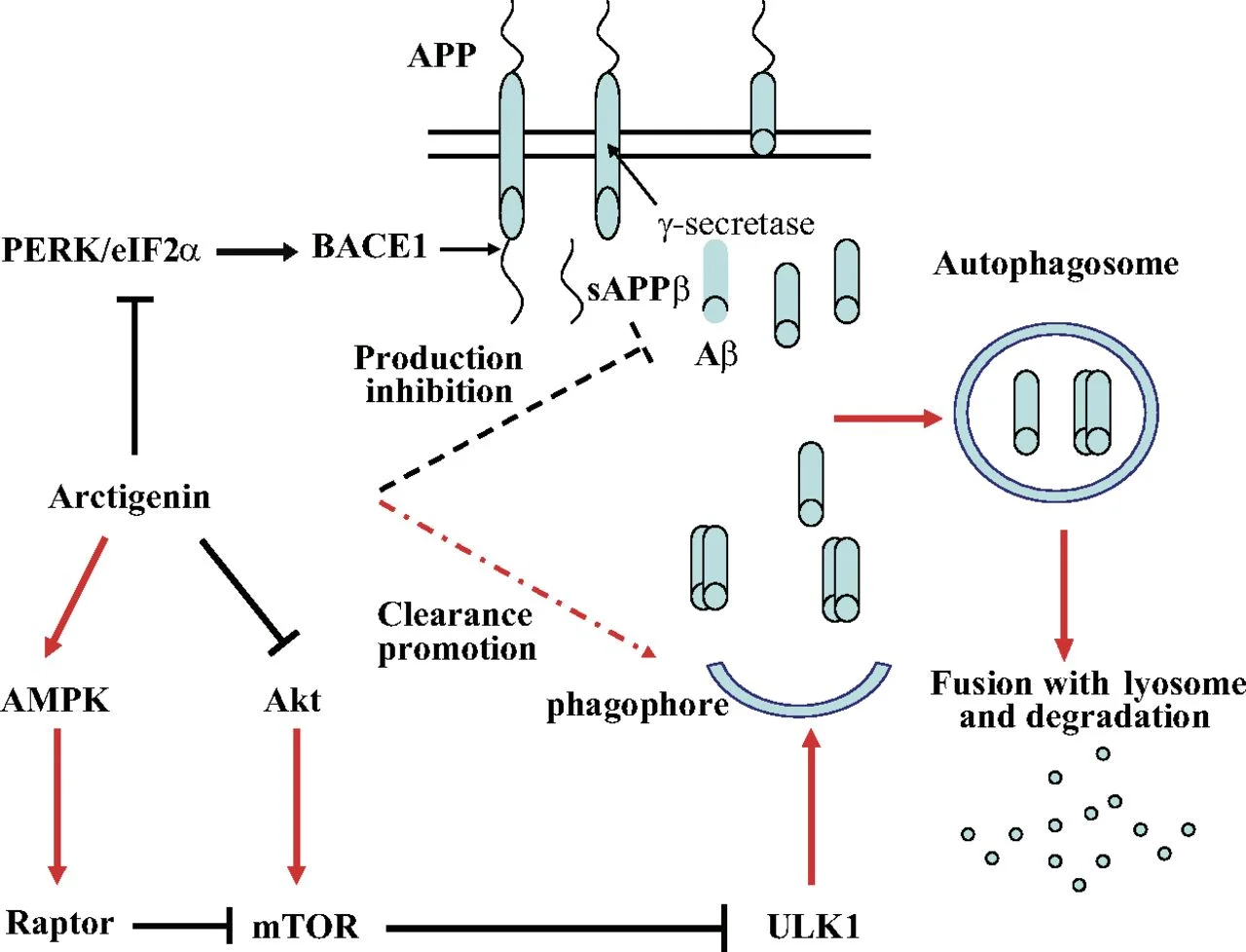
It can also help promote clearance/reduce buildup of β-amyloid (Aβ)-induced neurodegeneration and prevent hyperphosphorlation of tau proteins. R R
Arctigenin also improves autophagy in the brain (recycling of brain cells) by inhibiting mTOR. R
20. Combats Cancer
Arctigenin in burdock root is a potent antitumor agent. R R R
Anticancer activity:
Cervical Cancer R
Gallbladder Cancer R
Leukemia R
Renal Cancer R
Skin Cancer (Melanoma) R
Stomach Cancer R
In prostate and breast cancers, arctigenin synergizes well with polyphenols like quercetin, green tea, and curcumin. R R
Burdock may increase chemosensitivity in cancer cells (lowers chemoresistance). R R
In phase 1 clinical trials, GBS-01 (a specific extract from burdock) can make cancer cells more sensitive to glucose deprivation. R
21. Improves Weight Loss
Eating burdock root can help with weight loss. R R
For example, in a study of 8-weeks repeated oral intake of burdock root, <250 mg/kg resulted in body weight decrease and blood glucose suppression. R
Arctiin is able to reduce weight gain in animal models fed a high-fat diet. R
Burdock can also increase brown fat (fat with more mitochondria), while reducing white fat accumulation. R
22. Enhances Skin Health
Burdock can improve skin aging, elasticity, and collagen synthesis, and reduce wrinkle formation. R
For example, burdock has shown to increase the level of antioxidants in the skin (as it is able to inhibit elastase and tyrosinase). R
It can reduce the action of alpha-melanocyte stimulating hormone (a-MSH) to induce melanin production in the skin. R
In a clinical trial, burdock was able to improve symptoms of acne vulgaris. R
Burdock may help increase wound healing after burns and help prevent infections during it. R R
The polyacetylene ingredients in burdock may have potent antibacterial and antifungal activities in some skin conditions. R
Arctiin can potently protect skin cells from UVB radiation and may be useful as a sunscreen alternative. R R R
23. May Help With Oral Cavities
Burdock may be useful in treating tooth/gum diseases that are related to micro-organisms in the oral cavity. R
24. Improves The Heart And Vascular System
Arctiin can improve heart function and prevent the enlargement of the heart by blocking the MAPKs and AKT. R
Burdock may help with hypertension, as ligands found in burdock have shown to be potent platelet-activating factor (PAF) receptor antagonists and calcium antagonists. R R
For example, in animal models with hypertension burdock can reduce blood pressure. R
Burdock may help with atherosclerosis and cholesterol buildup, similarly to simvastatin. R R R
25. May Prevent Hair Loss
Arctiin has antioxidant effects on hair follicles and may be beneficial for alopecia prevention and treatment. R
26. Fights Lung Infections
Arctigenin may help with oxidative stress from lung infections. R R R
Other constituents of burdock may help with tuberculosis. R
Burdock may help with pneumonia from influenza. R
27. Prevents Hearing Loss
Arctigenin protects against hearing loss by enhancing survival and growth of neural stem cell in the ear. R
My Experience With Burdock
I've been taking burdock for neuroinflammation and fatigue.
This burdock has really helped with my ability to exercise and my libido.
Buy Burdock
Making burdock as tea help increase its antioxidant load. R
Types of burdock:
Burdock Synergies
Caveats
Burdock root has been shown to be safe in animal studies (<250 mg/kg) up to 8 weeks of consistent consumption. R
The tannins in it may cause stomach upset and at high concentrations has some dangerous side effects such as nephrotoxicity and hepatic necrosis. R
Burdock oil may cause contact dermatitis when applied to the skin (seen in a study using it as massage oil). R
Metabolites of burdock root may be excreted via bile and urine. R
Mechanism Of Action
Simple
Increases ABCA1 R
Increases ABCG1 R
Increases AdipoR1 R
Increases ALT R
Increases AREs R
Increases c-Jun R
Increases Caspase-9 R
Increases CREB R
Increases Cytochrome C R
Increases DLC1 R
Increases FSH R
Increases GABA R
Increases GPX R
Increases Gsr R
Increases HO-1 R
Increases LH R
Increases LXR-α R
Increases mCPT1b R
Increases PDK4 R
Increases PPARα R
Increases Raptor R
Increases RASSF1 R
Increases SCD1 R
Increases SIRT1 R
Increases Smad7 R
Increases SOCS3 R
Increases Syn R
Increases TAC R
Increases TFPI2 R
Increases TIMP3 R
Increases Txn R
Increases UCP2 R
Increases UCP3 R
Increases ZNF185 R
Reduces Aβ R
Reduces ALP R
Reduces ALT R
Reduces Ammonia R
Reduces AP-1 R
Reduces AR R
Reduces AST R
Reduces ATF4 R
Reduces BACE1 R
Reduces Bax R
Reduces Bcl-2 R
Reduces BUN R
Reduces cAMP R
Reduces CAMKK1 R
Reduces Caspase-3 R
Reduces CHOP R
Reduces CK R
Reduces COX1 R
Reduces CRP R
Reduces EGF R
Reduces Elastase R
Reduces eIF2α R
Reduces FGF-β R
Reduces FOXO3 R
Reduces GRP78 R
Reduces KA (stronger than NMDA) R
Reduces HDL R
Reduces Heparanase R
Reduces hs-CRP R
Reduces HSP R
Reduces ICAM-1 R
Reduces IGF1 R
Reduces IκBα R
Reduces IKKβ R
Reduces IL-2 R
Reduces IL-4 R
Reduces Insulin R
Reduces JAK2 R
Reduces Leptin R
Reduces LGALS4 R
Reduces MAdCAM-1 (Addressin) R
Reduces MCP-1 R
Reduces MIP-la R
Reduces MIP-lb R
Reduces MMP-2 R
Reduces mTOR R
Reduces NF-AT R
Reduces NF-kB R
Reduces NGF-b R
Reduces NMDA (weak) R
Reduces PAF R
Reduces PERK R
Reduces PI3K R
Reduces PLA2 R
Reduces PPP2R1B R
Reduces PS1 R
Reduces p38 R
Reduces p62 R
Reduces p65 R
Reduces ROS R
Reduces Smad2 R
Reduces Smad3 R
Reduces STAT1 R
Reduces TG R
Reduces Tyrosinase R
Reduces ULK1 R
Reduces VCAM-1 R
Reduces V-LDL R
Reduces 5-LOX R
Advanced
Arctigenin can cross the blood-brain barrier (BBB) and in the brain it interacts with kainate sensitive ionotropic glutamate receptors. R
In the endoplasmic reticulum (the place in the cell where proteins fold), burdock can reduce stress markers by activating AMPK, thus improving cell signaling. R
ATG inhibits mitochondrial respiration, leading to AMPK activation. R
Arctigenin can exhibit anti-inflammatory effects by inhibiting the exudation and recruitment of leukocytes into inflamed tissues via reducing the release/production of inflammatory mediators. R
It also exhibits neuroprotective activity through reducing surplus ROS production and downregulating the mitochondrial membrane potential. R
Arctigenin directly binds to kainic acid receptors and partly scavenges free radicals. R
In AD, arctigenin decreased BACE1 translation via dephosphorylation of eIF2α, causing the suppression of Aβ production, and initiated autophagy through both AMPK/Raptor signaling activation and AKT/mTOR pathway inhibition, resulting in enhanced Aβ clearance. R
Arctigenin inhibits mTORC1-mediated Th17 differentiation dependent on the activation of ERβ rather than the up-regulation of ERβ expression. R
Most of the colitis reducing effects come from arctigenin, and not arctiin. R
In cancer cells deprived of glucose, artigenin can cause cancer cells to undergo cell death by inhibiting mitochondrial respiration and increasing reactive oxygen species (ROS). R
More specifically, ARC-G inhibits UPR genes (such as PERK, ATF4, CHOP, and GRP78) in glucose-deprived solid tumors. R
Arctigenin blocks cell cycle arrest from G(1) to S phase by regulating the expression of cell cycle regulatory proteins such as Rb, cyclin D1, cyclin E, CDK4, CDK2, p21Waf1/Cip1 and p15 INK4b. R
Lappaol F and diarctigenin strongly inhibit NO production in lipopolysaccharide (LPS)-stimulated murine macrophage RAW264.7 cells with IC50 values of 9.5 and 9.6 lM, respectively. R
Arctigenin inhibits the activation of the FcεRI receptor induced by the antigen‑IgE complex. R
C inhibited T lymphocyte proliferation and decreased the gene expression of IL-2, IFN-γ and NF-AT. R
Burdock reduces H+, K+-ATPase activity associated with inhibitory effects on calcium influx and of cholinergic pathways in the stomach muscle. R
Arctigenin antagonizes mineralocorticoid receptor to inhibit the transcription of Na/K-ATPase. R
Arctigenin helps with glucose homeostasis by regulating adiponectin and action on its receptor AdipoR1. R
More Research
In rats, arctigenin can be metabolized to be arctigenic acid and arctigenin-4′-O-glucuronide in plasma after taken orally. R
AG at 0.5 h were intestine > liver > heart > pancreas > kidney > plasma > stomach > muscle > ovary (female rats) > lung > fat > spleen > brain > testis (male rats) > uterus (female rats) > bone marrow; at 1 h were intestine > liver > fat > plasma > heart > kidney > pancreas > ovary (female rats) > stomach > muscle > lung > uterus (female rats) > spleen > testis (male rats) > brain > bone marrow; and at 3 h were intestine > liver > stomach > ovary (female rats) > fat > plasma > kidney > heart > uterus (female rats) > lung > pancreas > muscle > spleen > testis (male rats), with AG not detected in the brain and bone marrow. The AG contents at 6 h in different tissues were intestine > liver > stomach > fat > kidney > plasma > heart > pancreas > spleen > muscle, ovary (female rats) > uterus (female rats) > lung > testis (male rats). R
Jacob Gordon
INHC, FMT-C
Integrative Nutrition Health Coach
I cover mold illness, post-viral recovery, methylation, and complex chronic disease, drawing on ten years of clinical research, work inside a functional medicine clinic, and my own recovery from all of it. Every claim here is cited.
Book a ConsultationRelated Protocols & Supplements
Deep-dive chapters and recommended supplements for this topic
Electrolyte Complex
1 scoop/day
CoQ10
200mg/day
Magnesium Glycinate
400mg at bedtime