Mast Cells (Part 1): Stabilize Mast Cells and Remove Brain Fog
By Jacob Gordon, INHC, FMT-CThis article contains affiliate links. As an Amazon Associate, MyBioHack earns from qualifying purchases at no extra cost to you. We only link products we research and stand behind.
This is a multi-part series on mast cells:
Mast Cells (Part 1): Stabilize Mast Cells And Remove Brain Fog
Mast Cells (Part 3): The Mast Cell-Glia Interaction In Chronic Inflammation
In this post we will discuss the basics of mast cells and how they play a role in brain fog.

No, not mast sails!
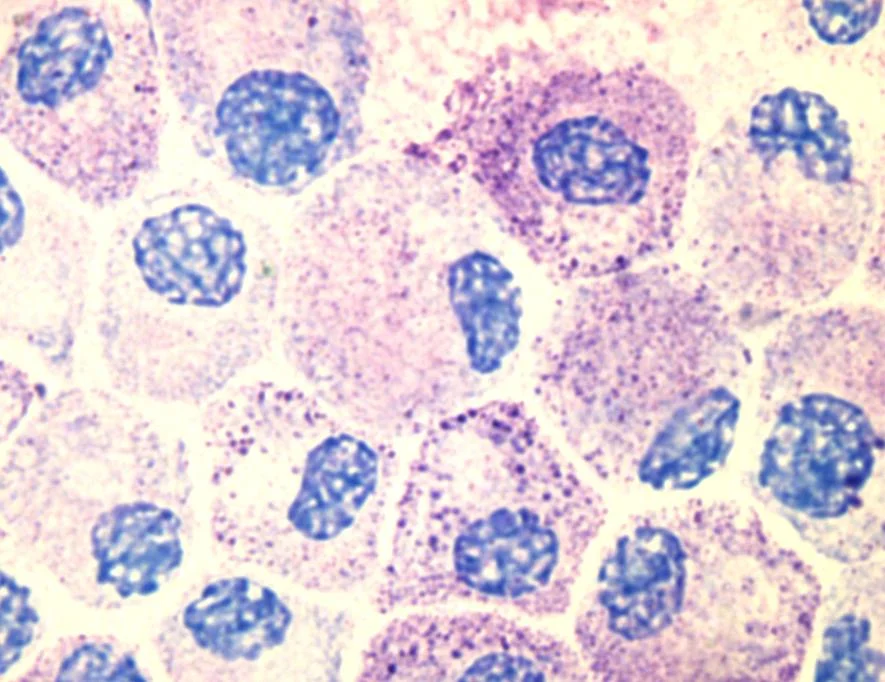
They were here before we had an immune system.
What I Use To Stabilize Mast Cells

Brain gain is by far the best tool I have in my supplements drawer in reducing brain fog.
Cannabidiol and sulforaphane are also quite powerful.
If stabilizing mast cells do not get rid of brain fog, it is important to then balance glutamate with EAATs.
Mast Cells Basics
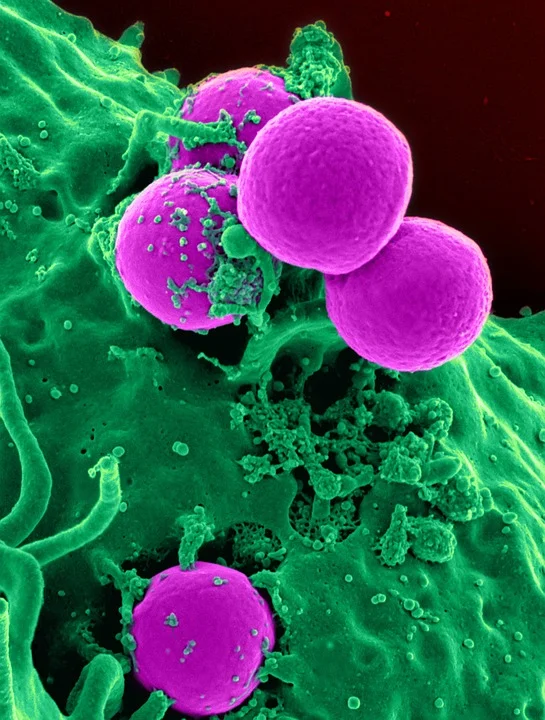
A mast cell (also known as a mastocyte or a labrocyte) is a type of white blood cell.
Mast cells are involved in wound healing, angiogenesis, immune tolerance, defense against pathogens, and blood–brain barrier function. R R R
Mast cells play a key role in the inflammatory process. When activated, a mast cell can either selectively release (piecemeal degranulation) or rapidly release (anaphylactic degranulation) "mediators", or compounds that induce inflammation, from storage granules into the local microenvironment. R R
Mast cells can be stimulated to degranulate by R R
allergens through cross-linking with immunoglobulin E (IgE) receptors V
physical injury through pattern recognition receptors for damage-associated molecular patterns (DAMPs)
microbial pathogens through pattern recognition receptors for pathogen-associated molecular patterns (PAMPs)
various compounds through their associated G-protein coupled receptors or ligand-gated ion channels
Role in Allergy

It could be an allergy or there may be an invisible orchestra.
In allergic reactions, mast cells remain inactive until an allergen binds to IgE already coated upon the cell. R
Allergens are proteins or polysaccharides. Allergens bind to antigen-binding sites, which are situated on regions of the IgE molecules on a mast cell' surface. Binding of two or more IgE molecules, or cross-linking, is required to activate the mast cell. R
The clustering of the intracellular domains of the cell-bound Fc receptors, which are associated with the cross-linked IgE molecules, causes a complex sequence of reactions inside the mast cell that lead to its activation. This may have evolved as a defense system against parasites and bacteria. R
Granules and Mediators
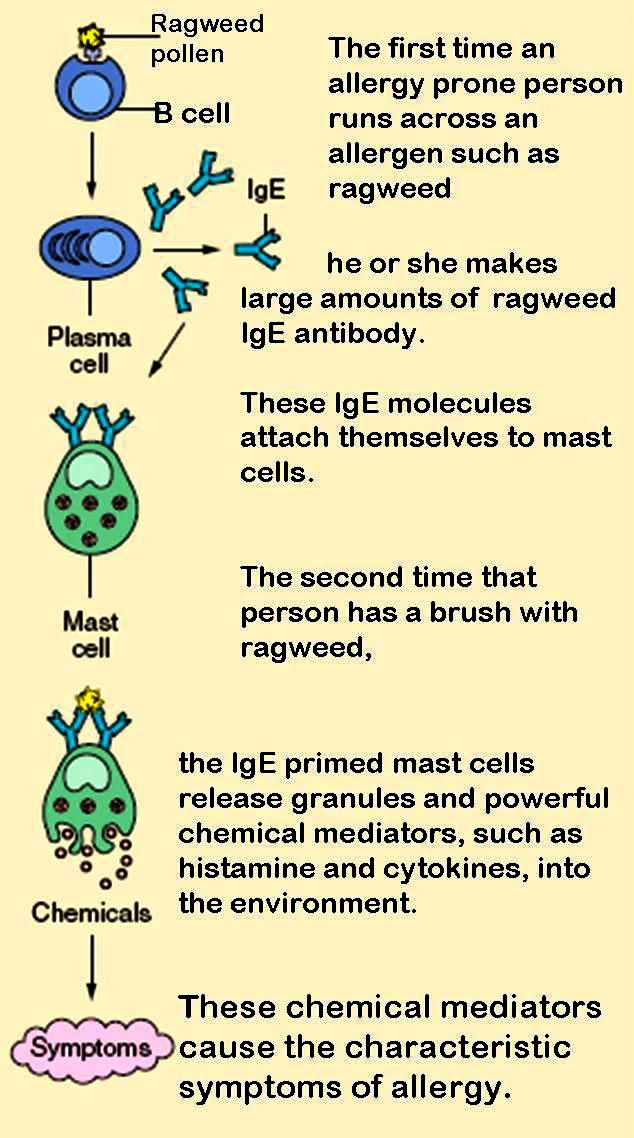
Mast cell mediators are released through degranulation following the activation of the mast cells surface receptors. This list are examples of mediators that are released during mast cell degranulation include: R R R
preformed mediators (from the granules):
serine proteases, such as tryptase and chymase
histamine
serotonin
proteoglycans, mainly heparin (active as anticoagulant) and some chondroitin sulfate proteoglycans
adenosine triphosphate (ATP)
lysosomal enzymes
β-hexosaminidase
β-glucuronidase
arylsulfatases
newly formed lipid mediators (eicosanoids):
thromboxane
prostaglandin D2
leukotriene C4
platelet-activating factor
cytokines
TNF-α
basic fibroblast growth factor
interleukin-4
stem cell factor
chemokines, such as eosinophil chemotactic factor
reactive oxygen species
Enzymes

Lyn tyrosine kinase - Phosphorylates the ITAMs in the FcεR1 β and γ chain in the cytoplasm. It causes Syk tyrosine kinase to get recruited to the ITAMS located on the γ chains. This causes activation of the Syk tyrosine kinase, causing it to phosphorylate
Syk tyrosine kinase - Targets multiple proteins and causes their activation
Phospholipase C - Catalyzes Phosphatidylinositol 4,5-bisphosphate
Inositol trisphosphate - Elevates calcium levels
Diacylglycerol - Activates protein kinase C
FYN - Phosphorylates Grb-2-associated-binder-like-protein
Grb-2-associated-binder-like-protein - Binds to phosphoinositide 3-kinase
Phosphoinositide 3-kinase - Activates protein kinase C
Protein kinase C - Activates myosin light-chain phosphorylation granule movements that disassemble the actin-myosin complexes
Rab-associated kinases and phosphatases - Regulate cell granule membrane fusion in resting mast cells
Histamine Intolerance
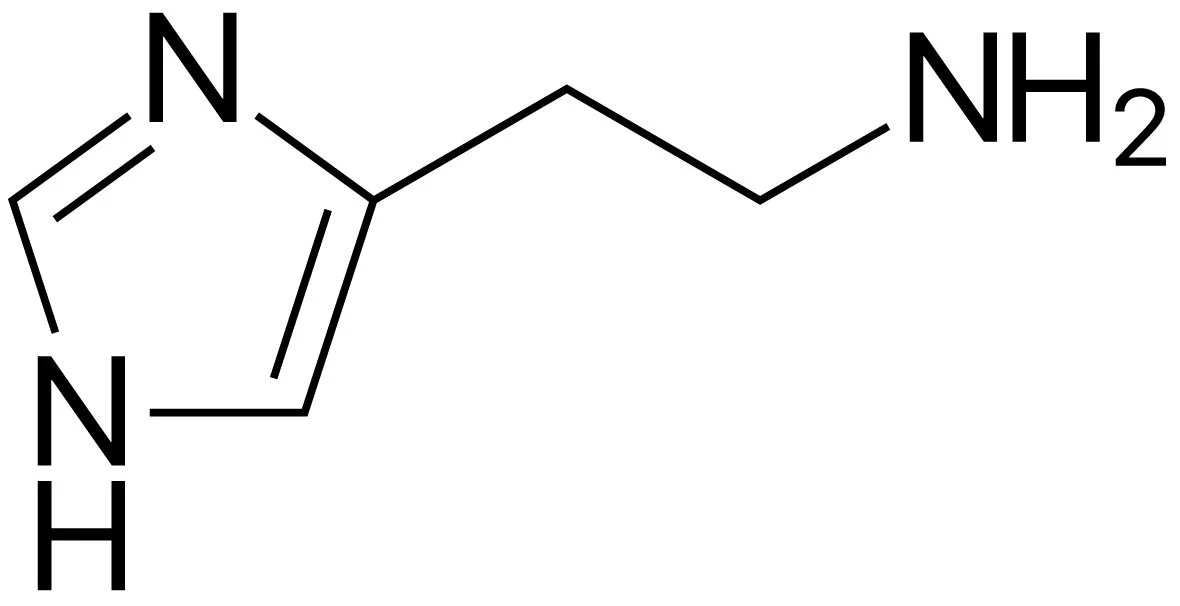
Histamine dilates post-capillary venules, activates the endothelium, and increases blood vessel permeability. This leads to local edema, warmth, redness, and the attraction of other inflammatory cells to the site of release. R
Histamine can depolarize nerve endings. This can lead to itching or pain. Cutaneous signs of histamine release are the "flare and wheal"-reaction. R
More on Histamine Intolerance.
Role in Disease
Parasitic infections - Mast cells are activated in response to infection by pathogenic parasites, such as certain helminths and protozoa, through IgE signaling.
Anaphylaxis - the body-wide degranulation of mast cells leads to vasodilation and, if severe, symptoms of life-threatening shock. Histamine is a vasodilatory substance released during anaphylaxis. R
Autoimmunity - Mast cells may be implicated in the pathology associated with autoimmune, inflammatory disorders of the joints. They have been shown to be involved in the recruitment of inflammatory cells to the joints and skin , and this activity is dependent on antibodies and complement components. R
Mastocytosis and clonal disorders - Mastocytosis is a rare clonal mast cell disorder involving the presence of too many mast cells (mastocytes) and CD34+ mast cell precursors. Mutations in c-Kit are associated with mastocytosis. RR
Monoclonal disorders
Neoplastic disorders - Mastocytomas, or mast cell tumors, can secrete excessive quantities of degranulation products. Other neoplastic disorders associated with mast cells include mast cell sarcoma and mast cell leukemia. R R
Mast cell activation syndrome - Mast cell activation syndrome (MCAS) is an idiopathic immune disorder that involves recurrent and excessive mast cell degranulation and which produces symptoms that are similar to other mast cell activation disorders. The syndrome is diagnosed based upon four sets of criteria involving treatment response, symptoms, a differential diagnosis, and biomarkers of mast cell degranulation. RR
Role in the Nervous System and Brain Fog
Brain fog is feeling and perception of forgetfulness, impaired thinking, difficulty focusing, cloudiness, mental fatigue, spaciness, etc. R
Some of the people report having brain fog have significant cognitive deficits in working memory, speed/efficiency of processing, reaction time, attention, and concentration. R
There are many possible causes for brain fog such as ammonia buildup, excessive mast cell/glial cell activation, increased inflammation, excessive histamine in the hypothalamus, and much more. R
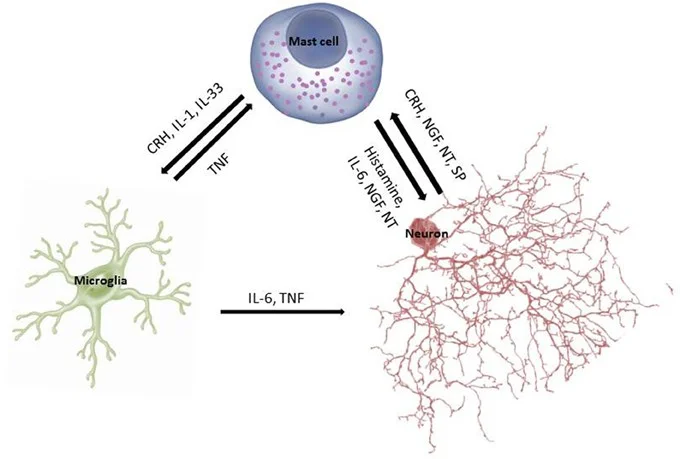
The Mast-Glial-Neuronal Axis: This shows how mast cells, glial cells and neurons communicate (through interleukins, TNF, histamine, etc.
The first responders of the immune system to injury of the CNS, or central nervous system, are brain mast cells. Even before microglia. R
Mast cells hang out by blood vessels and discharge cytokines. This response activates microglia. R
Mast cell activation activates microglia and therefore causes neuroinflammation. R
Mastocytosis
Mastocytosis is caused by the presensce of too many mast cells and CD34+ mast cell precursors. R
Symptoms
When too many mast cells exist in a person's body and undergo degranulation. The additional chemicals can cause a number of symptoms which can vary over time and can range in intensity from mild to severe. The symptoms of mastocytosis often are similar to the symptoms of an allergic reaction: R
Fatigue
Skin lesions (urticaria pigmentosa), itching, and dermatographic urticaria (skin writing)
Abdominal discomfort
Nausea and vomiting
Diarrhea
Olfactive intolerance
Infections (bronchitis, rhinitis, and conjunctivitis)
Ear/nose/throat inflammation
Anaphylaxis (shock from allergic or immune causes)
Episodes of very low blood pressure (including shock) and faintness
Bone or muscle pain
Decreased bone density or increased bone density (osteoporosis or osteosclerosis)
Headache
Depression R
Ocular discomfort
Increased stomach acid production causing peptic ulcers (increased stimulation of enterochromaffin cell and direct histamine stimulation on parietal cell)
Malabsorption (due to inactivation of pancreatic enzymes by increased acid) R
Autism
Most ASD (Autism Spectrum Disorder) patients have food intolerance and other allergic symptomatology indicative of mast cell activation. Allergic, infectious, neuroimmune and environmental triggers may activate mast cells to release vasoactive, inflammatory and neurotoxic molecules. These could disrupt the gut-blood-brain-barriers and/or activate susceptibility genes, thus contributing to brain inflammation and ASD. R
Mast Cell Activation Disorder (Syndrome)
MCAD, or MCAS, is where mast cells inappropriately and excessively release chemical mediators, resulting in chronic symptoms.R R R
Unlike mastocytosis, where patients have an abnormally increased number of mast cells, patients with MCAD have a normal number of mast cells that do not function properly and are defined as "hyperresponsive." R
Symptoms
Many signs and symptoms are the same as those for Mastocytosis, because both conditions result in too many mediators released by mast cells. R
Dermatological - flushing, easy bruising, either a reddish or a pale complexion, itchiness
Cardiovascular - lightheadedness, dizziness, presyncope, syncope
Gastrointestinal - diarrhea, cramping, intestinal discomfort, nausea, vomitting
Psychological & Neurological - brain fog, short term memory dysfunction, difficulty with recalling words, headaches, migraines
Respiratory - congestion, coughing, wheezing
Vision/Eyes - ocular discomfort, conjunctivitis
Constitutional - general fatigue and malaise, food, drug, and chemical/fragrance intolerances, sense of being cold all the time
Musculoskeletal - osteoporosis and osteopenia
Anaphylaxis
Triggers
Tests
Histamine Intolerance
See all tests for histamine Intolerance.
Mastocytosis
Skin Biopsy
Serum tryptase
Histamine
MCAD
N-methyl histamine
prostaglandin D2
beta- prostaglandin F2 alpha
leukotriene E4
Histamine
Mast Cell Inhibitors/Stabilizers
I take Brain Gain to stabilize mast cells and clear brain fog.
Cannabinoids CB1 and CB2 R
Cinnamon R
Diosmetin R
Scarporone R
Selinidin R
5-Methoxy-8-(2-hydroxy-3-butoxy-3-methylbutyloxy)-psoralen R
Mangostin-α, -β and -γ R
Parthenolide R
Sesquiterpene Lactones (SQLTs) R
Monoterpenes R
Sinomenine R
Indoline R
Xestopongin C R
Pemirolast R
Omalizumab R
Olopatadine R
Xanthine R
Ketotifen R
Cromoglicic Acid R
β2 adrenergic receptor agonists R
2-Hydroxy-3-methoxybenzoic acid R
More Research
See upcoming interview with Dr. Theoharides PhD MD.
Jacob Gordon
INHC, FMT-C
Integrative Nutrition Health Coach
I cover mold illness, post-viral recovery, methylation, and complex chronic disease, drawing on ten years of clinical research, work inside a functional medicine clinic, and my own recovery from all of it. Every claim here is cited.
Book a ConsultationRelated Protocols & Supplements
Deep-dive chapters and recommended supplements for this topic
Quercetin
500mg 2x/day
Vitamin D3 + K2
5000 IU + 200mcg/day
Magnesium Glycinate
400mg at bedtime