BDNF: 140+ Natural Ways to Increase Brain Derived Neurotrophic Factor
By Jacob Gordon, INHC, FMT-CThis article contains affiliate links. As an Amazon Associate, MyBioHack earns from qualifying purchases at no extra cost to you. We only link products we research and stand behind.
BDNF is important for longterm memory and helps grow new neurons from neural stem cells (neurogenesis). R
Basics

Brain-Derived Neurotrophic Factor (BDNF) like NGF, CNTF, GDNF, CDNF, and MANF is a protein that promotes brain growth. R
It acts on the central nervous system and the peripheral nervous system:
- helps support the survival of existing (DRG) neurons R
- encourages the growth and differentiation of new neurons and synapses R
In the brain, it is active in the hippocampus, cortex, and basal forebrain (areas vital to learning, memory, and higher thinking). R
It is also expressed in the retina, motor neurons, the kidneys, saliva, and the prostate. R
Neurotrophins are proteins that help to stimulate and control neurogenesis, BDNF being one of the most active. R R R
BDNF is important for the development of the brain, sensory nervous system and neural development, as mice born without the ability to make BDNF, will usually die soon after birth. R
BDNF increases until around the age of 65, and then after decrease markedly. R
BDNF facilitates glutamate release that the presynapse to increases postsynaptic glutamate receptor synthesis. R
BDNF is levels can be different in different places: blood, cerebrospinal fluid (CSF), and various brain locations, but there is no correlation between blood BDNF and CSF BDNF. R
Blood BDNF may be reliable marker, since BDNF can cross the blood brain barrier. R R
BDNF has a circadian rhythm. R R
Problems with Dysregulated BDNF
- Aging (blood BDNF lowers with age) R R R R R
- Alzheimer's Disease (lower levels) R
- Burnout Syndrome R
- Depression (lower levels) R
- Epilepsy (BDNF too high since BDNF modulates excitatory and inhibitory synaptic transmission by inhibiting GABAA-receptor-mediated post-synaptic currents) RR
- Rett Syndrome R
- Schizophrenia (decreased in cortical layers IV and V of the dorsolateral prefrontal cortex) R
Benefits

Enriched environments increases BDNF. R
Elevated BDNF in the hippocampus helps increase neuroplasticity. R
Although, increased BDNF in the forebrain may cause difficulty learning and memory formation. R
It may help with Lou Gehrig's Disease (ALS) and Huntington's Disease. R
Blood levels of BDNF are significantly lower in Parkinson's Disease patients. R
In animal models, BDNF ameliorated Alzheimer's Disease. R
3. Helps with Psychosis
Dysregulated BDNF (and TrkB) can increase the risk for psychological disorders. R
BDNF levels are generally reduced in FEP (first episode psychosis) patients. R
An imbalance between BDNF receptor isoforms has been related to neuronal death and schizophrenia. R R
Serum and plasma BDNF levels are moderately lower in schizophrenic patients than in controls. R
4. Regulates Drug Addiction
When animals were chronically exposed to BDNF they had feelings of reward and pleasure.
This was similar to the feeling of a dopamine-induced reward. R
Although, high levels of BDNF in certain areas of the brain can increase opioid dependence. R
5. Decreases Long-term Pain

As a result of BDNF's inducing neuronal differentiation, BDNF inhibits long-term pain sensitivity. R
It can promote short-term pain. R
6. Improves Sense of Wellness
BDNF can act as a natural anti-depressant. R
Lower levels of BDNF can cause depression. R
7. Improves Metabolic Levels
In mice:
- BDNF prevented exhaustion of the pancreas by restoring insulin-secreting granules in beta cells. R
- It improved insulin resistance. R
- It increases insulin sensitivity. R
8. May Help Prevent Heart Failure
Mice that had hearts without BDNF quickly developed heart failure. R
Low levels of BDNF could link depression and heart disease. R
Those with lower BDNF have lower systolic blood pressure. R
9. Plays an Important Role in Circadian Rhythm
Since BDNF has a circadian rhythm, it changes as the day goes on. R
When any light hits your retina in the morning (especially sunlight, it goes to your the suprachiasmic nucleus) SCN) located in the hypothalamus, causing genes to turn on and glutamate to fire.
This is how circadian rhythm starts.
BDNF can enhance glutamate neurotransmission in SCN neurons. R
BDNF mediates, not just modulates, light-induced phase shifts of the circadian system. R
Circadian rhythm problems may be exacerbated by low BDNF. R
10. Helps with Sleep

BDNF promotes synaptic potentiation by triggering slow wave sleep. R
It increases slow wave sleep. R R
In mice:
- BDNF was higher after wakefullness and BDNF increased after sleep deprivation. R
- Exploratory behavior induces BDNF
11. Plays an Important Role in Love and Relationships
Blood BDNF levels in women are correlated with romantic attachment. R
Women with high BDNF, scored lower on the avoidance test, thus they are more likely to have friends and romantic relationships. R
BDNF may promote social relationships, by helping with fear extinction. R
In several brain regions, estrogens induce BDNF synthesis. R
12. Helps with Weight

BDNF signals the hippocampus, suppressing food intake. R
Overweight women had lower blood BDNF. R
Blood BDNF is lower in obesity and type 2 diabetes. R
This also applies to children. R
Blood BDNF was lower in women with anorexia. R
In animals:
- BDNF infusion in the brain has shown to suppress appetite leading to lower body weight. R
- It increased energy metabolism by activating the stress response and inducing an uncoupling protein, UCP1 (creating brown fat that can be used as fuel). R
13. May Help with Auto-Immunity
Serum BDNF has been shown to be lower in patients with vitiligo. R
BDNF prevents autoimmune demyelination by mediating axon protection. R R
The BDNF/TrkB axis helps the survival of autoreactive T cells, in the brain and may help multiple sclerosis. R
How to Increase BDNF

Lifestyle
- Blue Light R R
- Caloric Restriction R
- Chewing R
- Cold/Heat Exposure (in chicks) R R
- Deep Sleep R
- Exercise (BDNF increase by threefold, possibly through glutamate and irisin) R R R R R R
- Hypoxia (very short term, so anaerobic exercise or lactate would do this) R
- Indoor Cycling R
- Intellectual Stimulation R
- Intermittent Fasting (alternate day) R R
- Maintaining Circadian Rhythm R
- MeditationR
- Music (in hypothalamus increased BDNF but decreased NGF) R R
- Resistance Training (and HIST increases it the most) R
- Sleep R R
- Sleep Deprivation (non-chronic as chronic will lower it) R
- Stress Reduction R R
- Sun (vitamin D does not increase BDNF) R R R R
- Yoga R
Devices And Therapies
- Acupuncture R
- Blue Light
- Bright Light Device R
- Electroconvulsive Therapy R R
- Green Odor R
- LLLT R
- Mast Cell Activation R
- EMFs and PEMF R
- Repetitive Transcranial Magnetic Stimulation R
- tDCS R
- Ultrasound (low levels) R
- Vagal Nerve Stimulation (I use the Nervana) R
Diet
- BCAAs R R
- Blueberries R
- Chokeberries (Aronia) R
- Citrus (peels) R
- Cocoa (as a flavanoid) R
- Ferulic Acid (found in the seeds of coffee beans, apples, artichokes, peanuts, and oranges) R
- High Flavonoid Diet R
- High Salt Intake (increasing vasopressin, thus increasing blood pressure) R
- Honey (as a prebiotic) R
- Huang Bai R
- Ketogenic Diet R
- Liquid Diet R
- Mediterranean Diet R
- Omega 3's R R R
- Resistant Starch (converts into butyrate) R
- Piperine (pepper) R
- Soy (in female rats) R
- Sulforaphane (also found in broccoli sprouts) R
- Super Coffee (regular coffee with decrease BDNF expression) R
- Turmeric (Curcumin) R
Supplements
- Bacopa R
- Baicalin R
- Beta-Alanine (along with taurine, it increased L-arginine concentrations in the hypothalamus) R R
- Beta-Caryophyllene R
- Boswellia Serrata R
- Butyrate R
- Caffeine (chronically administered) R
- Curcumin R
- Danzhi Xiaoyao R
- EGCG R
- Eugenol (clove oil) R
- Euphoria Lognan R
- Fo-ti R
- Gastrodin (and Tianma) R
- Garcinol R
- Ginkgo Biloba R
- Ginseng (GRb1 inhibited stress-mediated decline of BDNF, HSP70) R
- Gynostemma (Jiaogulan) R
- Inosine R
- L Plantarum C29 R R
- Lactate R
- Lithium (via inhibition of GSK-3) R
- Luteolin (one of my favorites) R
- Magnesium (in hippocampus and prefrontal cortex) R
- Magnesium L-Threonate (increasing NMDARs signaling) R
- Magnolia officinalis R
- NAC R
- Niacin R
- Olive Leaf R
- Phytoceramides R
- Phytochemicals (modulate HPA axis levels of IL-2, IL-6, IL-1β and TNF-α) R
- Polygala Tenuifolia R
- Quercitin (by decreasing cell apoptosis) R
- Rehmannia R
- Rhodiola R
- Suyu-Jiaonang R
- Theanine R
- Theobromine R
- Xiao Yao San R
- Ziziphus jujuba (Jujube) R R
- 2-Deoxy-Glucose R
Drugs/Peptides/Chemicals
- Agomelatine R
- Amantadine R
- Amitryptiline R
- Antidepressants R R
- Antipsychotics R
- Ayahuasca/Harmine R
- Beta-Lactam Antibiotics (like ceftriaxone) R R R
- Captodiame R
- Cerebrolysin R
- Citalopram R
- Cocaine (which contributes to addiction) R
- Cycloprolylglycine R
- Cymbalta R
- Deferoxamine R
- DMT R
- Escitalopram R
- Fluoride R
- Fluoxetine R
- Imipramine R
- Ketamine R
- Ladostigil (enhances GDNF and BDNF) R
- LSD R
- M30 R
- MDMA (increases in some areas in response to damage) R
- Memantine R
- Metyrapone R
- Mirtazapine R
- Nicotine R
- Noopepet R
- NSI-189 R
- Olanzapine R
- P21 (and P6 without adverse effects associated with native CNTF or BDNF molecule) R
- Rasagiline R
- Riluzole R
- Risperidone R
- Rolipram R
- Selank R
- Semax R
- Sertraline (Zoloft) R
- Tianeptine R
- Venlafaxine R
- 7,8-DHF R
Hormones/Neurotransmitters
Cell Signaling/Cytokines
There are multiple mechanisms through neuronal activity can increase BDNF exon IV specific expression. R
- IL-6 and TNF-α (enhanced BDNF secretion in monocytes) R
- Irisin R
- NMDA receptor activation (through protein signaling requiring Erk, CaM KII/IV, PI3K, and PLC) R
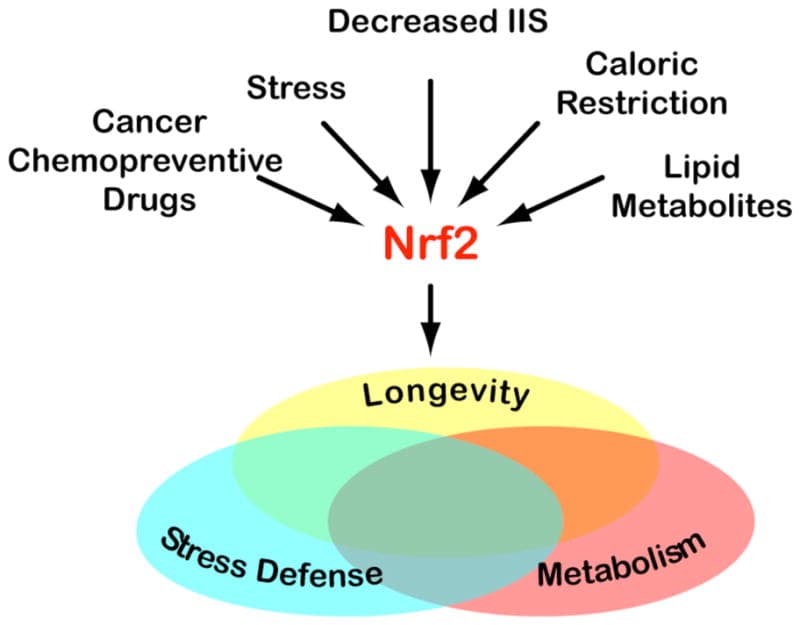
- NRF2 activation R
- TrkB expression R R
What Lowers It?

- Chronic and Acute Stress R R R R R
- Chronic Lack of Sleep R
- Estrogenics and Phthalates (bind and block BDNF receptor) R
- Getting Burnt Out (hypothalamic burnout) R
- High Dose Zinc R
- High Sugar/High Saturated Fat Diet R
- High Thyroid Peroxidase Antibodies (TPOab) R
- IL-1β R
- Prenatal Stress (can have effects into adulthood too) R
- Smoking has no effect R
- Venlafaxine R
- Vitamin A/Retinol (high doses) R
Mechanism of Action
BDNF binds to Trkb (track B) and LNGFR (low-affinity nerve growth factor receptor, aka p75). R
It may also modulate the activity of various neurotransmitter receptors, such as Alpha-7 nicotinic receptor. R
BDNF interacts with reelin signaling chain. R
Expression of reelin during development is influenced by BDNF. R
TrkB
- TrkB receptor is encoded by NTRK2 gene.
- TrkB autophosphyorylation is dependent upon its ligand-specific association with BDNF, regulating plasticity and unregulated following hypoxic injury.
- BDNF-TrkB pathway activation is important in the development of short term memory and growth of neurons.
LNGFR
- All neurotrophics can interact with the p75 receptor. R
- P75 receptor activation leads to activation of NFkB receptor. R
- This may trigger apoptosis.
- A truncated isoform of the TrkB receptor may act as a dominant negative to the p75 neurotrophin receptor, inhibiting the activity of p75, and preventing BDNF-mediated cell death. R
Genetic Pathways

BDNF is a protein that in humans that is encoded by the BDNF gene found on human chromosome 11. R R R
BDNF transcription is controlled by 8 different promoters. Promotor IV is stimulated by calcium and is under the control of Cre regulatory component. This may have a role for the transcription factor CREB and the source of BDNF's activity-dependent effects. R
SNPs for BDNF:
- RS6265 (Val66Met or G196A)
- Associated with neuropsychiatric disorders, schizophrenia, depression, substance-related disorders, eating disorders, bipolar disorder, but no indication with AD or PD. R R R R R R
- Met polymorphism is associated with PTSD. R R
- Val/val associated with high mean intelligence, with no association with personality traits. R
- Val/val was also associated with higher anxiety in humans. R
- No association with neuroticism (in 15,000 subjects). R
- Met/met associated with anxiety in mice. R
- RS11030101
- RS11030104
- RS12273363
- RS12273539
- RS2049046
- RS56164415
- RS7103411
- RS8192466
- RS2030324
- RS2203877
- C270T
- RS2049045
- RS7124442
Caveats
BDNF can promote colon cancer cell motility. R
More Research
- BDNF levels adaptively increase as a result of the damaging effects of the HPA axis. R
- Val/val homozygotes may respond better than met allele carriers with drug resistant depression treated with repetitive transcranial magnetic stimulation. R
- BDNF might also play a role in NSC/NPC migration. By stabilizing p35 (CDK5R1), in utero electroporation studies revealed BDNF was able to promote cortical radial migration by about 2.3-fold in embryonic rats, an effect which was dependent on the activity of the trkB receptor. R
- High levels of BDNF and Substance P have been associated with increased itching in eczema. R
- Variants close to the BDNF gene were found to be associated with obesity in two very large genome-wide association studies of body mass index (BMI). R R
- BDNF and IL-6 might be involved in the pathogenesis of post-chemotherapy cognitive impairment (PCCI, also known as chemo brain) and fatigue. R
- The polymorphism Thr2Ile may be linked to congenital central hypoventilation syndrome. R R
Jacob Gordon
INHC, FMT-C
Integrative Nutrition Health Coach
I cover mold illness, post-viral recovery, methylation, and complex chronic disease, drawing on ten years of clinical research, work inside a functional medicine clinic, and my own recovery from all of it. Every claim here is cited.
Book a ConsultationRelated Protocols & Supplements
Deep-dive chapters and recommended supplements for this topic
Quercetin
500mg 2x/day
Vitamin D3 + K2
5000 IU + 200mcg/day
DAO Enzyme
1 cap before meals