Using the 20/10 Method to Make Long Term Memories in Minutes
By Jacob Gordon, INHC, FMT-CGet excited! Here is how to rapidly record long term memories R
- 20 min study
- 10 min break
- 20 min study
- 10 min break
- 20 min study and apply it (part 1 and 3)

Basics
I've been using the 20/10 method to enhance my learning and bring you daily lessons on YouTube.
My favorite part of the 20/10 method is that it is completely free!
There is no need to take notes anymore. This is from one of the students in the study, "I don’t try to learn; I don’t write anything down, and I don’t review. It just seems as if I am seeing a movie in my mind that I have already seen before, and my understanding of the information presented becomes more precise—clearer—when I see it again."R
In rats, they used a pattern of three stimuli separated by 10 min spaces opened voltage-sensitive calcium channels in the cell membrane, activating signaling pathways to the nucleus. R
But we can do this with our own stimuli.
So how does it work?
Neuroplasticity.
What Is Neuroplasticity?

The 20/10 Method uses neuroplasticity in the brain.
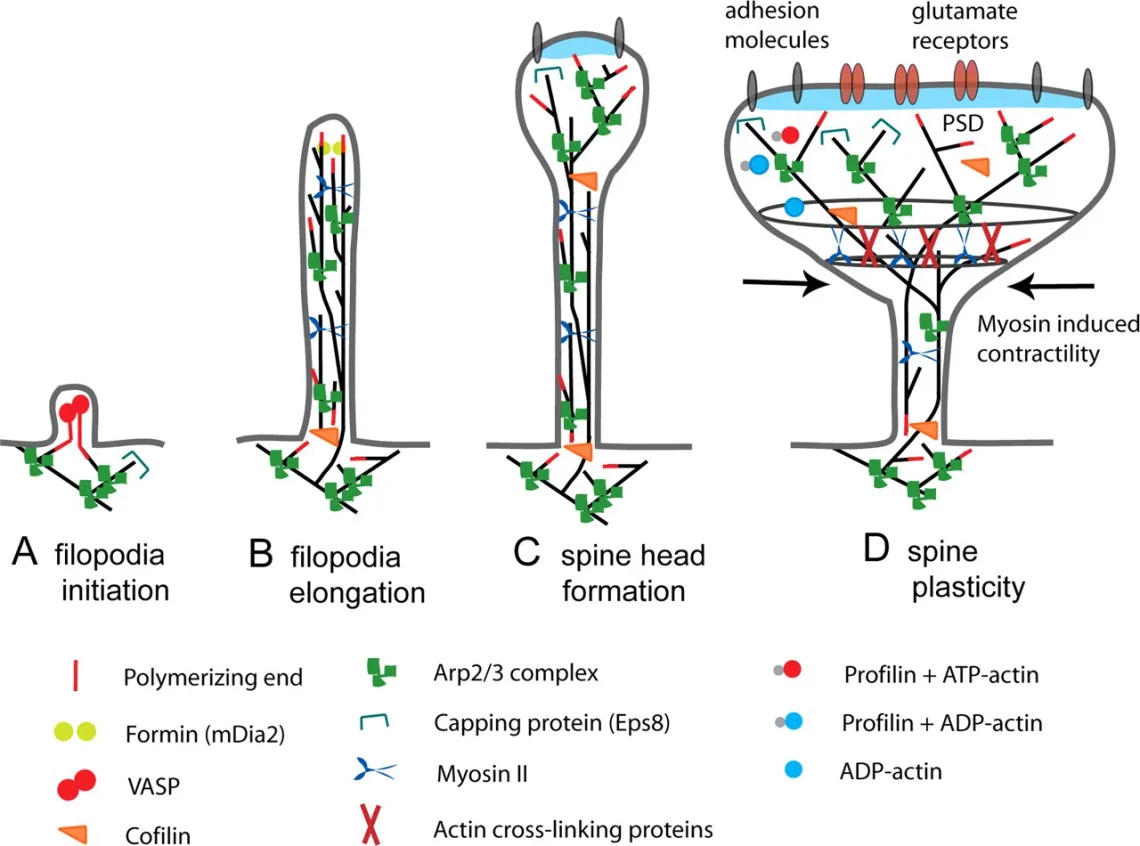
Neuroplasticity is when neuronal synapses (the ends of neurons that receive chemical messages) can change size and shape depending upon their activity (or lack thereof).
Neuroplasticity allows for neurons in the brain to compensate for injury and disease as well as adjust in response to new situations or to changes in their environment (such as stimulating games or taking drugs). R
LTM (long term memory formation) and LTP (long term memory potentiation) occurs in a few timed rules.
Timed Rules
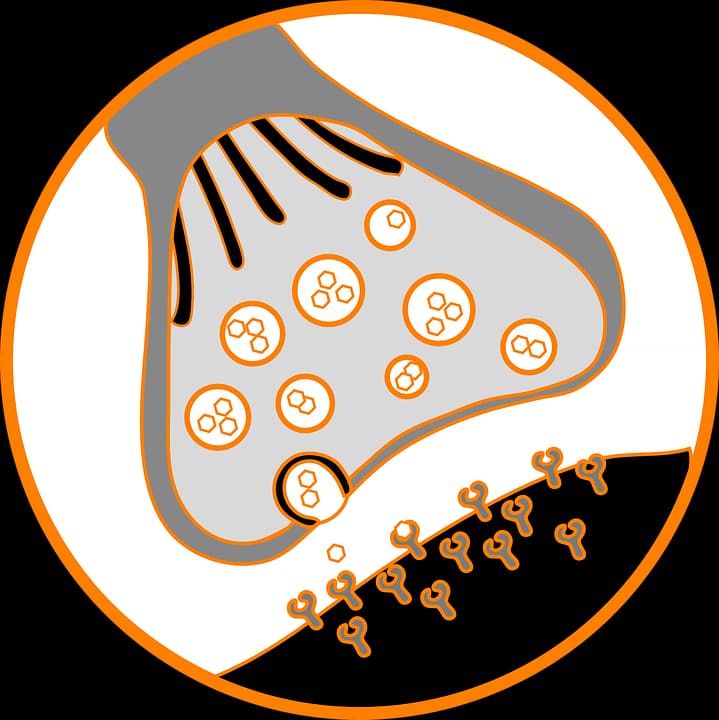
Here is an example of how it works.
First, an axon fires neurotransmitters.
Then, a dendrite receives those neurotransmitters.
Now, when the dendrite receives enough neurotransmitters over a certain amount of time, with the proper amount of breaks in between, a genetic program is activated causing the dendrite to actually grow (in size).

The dendrite grows in size over time, while more receptors are added to the surface of the cell.
When more receptors are added and the dendrite grows, the neuron becomes more excitable.
How To Do The 20/10 Method
So here is what an example of the 20/10 Method looks like: R
- 20 min - Study condensed information intensively
- 10 min - Break/distraction/physical activity
- 20 min - Study the same thing with an emphasis on recall
- 10 min - Break/distraction/physical activity
- 20 min - Study the same thing with an emphasis on application
If you want to see how it's done check out the videos in more research.
So the idea behind the break/distraction is doing something that is completely different than what was done during studying.
What you are trying to do is activate completely different regions of the brain from ones you used so you don't overwrite your new memories.
No:
- Web surfing
- Reading
- Writing
- Conversations
Yes:
- Rebounding
- Lymphatic Breathing
- Juggling
- Origami
- Paper-cutting
- Musical Chairs
- Play-dough Modeling
- Light aerobics
- Basketball drills
- Meditation
- Deep breathing
- Jogging
- Shooting hoops
- Eating a Healthy Snack
- Vagus Nerve Stimulation
Your breaks do not have to be 10 minutes.
For example you can do this in 10 study/5 break intervals: 10min/5min-10min/5min-10min/5min structure.
More Research
Jacob Gordon
INHC, FMT-C
Board Certified Health Coach
I spent years battling unexplained chronic illness before discovering biohacking, epigenetics, and functional medicine. Now I share that research at MyBioHack to help others find their own answers.
Book a ConsultationFREE CRASH COURSE
The Biohacking Crash Course
5 emails over 2 weeks. Learn the core principles that took Jacob a decade to figure out.
No spam. Unsubscribe anytime.
Related Protocols & Supplements
Deep-dive chapters and recommended supplements for this topic
Lion's Mane
1000mg/day
Omega-3 (DHA)
2g/day
Phosphatidylserine
100mg 3x/day