The 10+ Benefits of Liraglutide
By Jacob Gordon, INHC, FMT-CThis article contains affiliate links. As an Amazon Associate, MyBioHack earns from qualifying purchases at no extra cost to you. We only link products we research and stand behind.
Liraglutide protects the brain, improves weight loss, and protects against many of the problems associated with metabolic syndromes.

Basics
Liraglutide also goes by Saxenda and Victoza. R
Liraglutide 3.0 mg is currently approved for weight management in Australia, Canada, the European Union, Mexico and the USA. R
It has been proven safe in long term studies. R
It is a great alternative for diabetics afraid of using needles. R
It is being looked into as a replacement for bariatric surgeries such as gastric bypass surgery. R
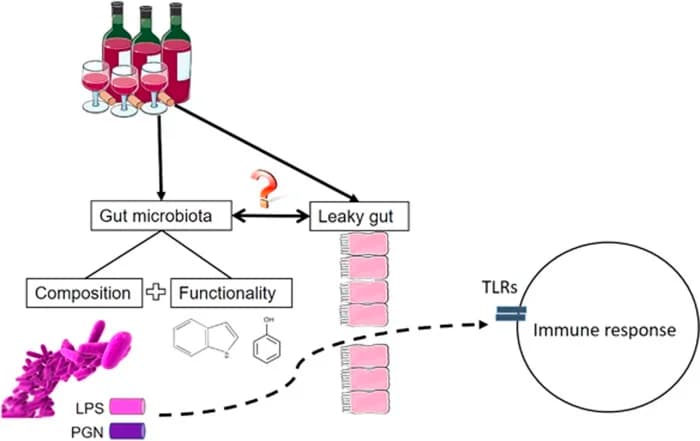
A lot of its effects with diabetes, obesity and the brain are based on liraglutide's ability to change the composition of the gut microbiome. R
Benefits
1. Improves Type 2 Diabetes

Liraglutide can help control blood glucose. R
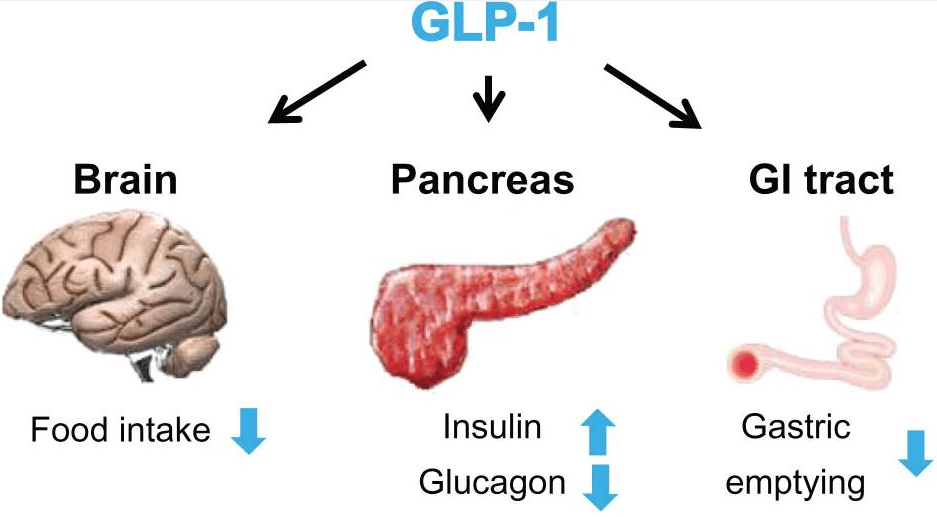
It can also reduce hyperglycemia, especially after meals (via enhanced insulin secretion, delaying gastric emptying and suppressing glucagon secretion) for up to 24 hours. R R R
Liraglutide, like other GLP1 analogues, will only work on glucose when it is introduced into the body, thus preventing hypoglycemia. R
It reduces fasting insulin and fasting glucose. R R
Liraglutide can protect the kidneys when exposed to high amounts of glucose and prevent the progression of diabetic kidney disease. R R
It also reduces hemoglobin A1c. R
In animals, it has shown to inhibit cell death and regenerate beta cells found in the pancreas. R
Liraglutide is even more effective when combined with metformin. R R
Switching from sitagliptin (DPP-4i) to liraglutide is usually not a problem for patients. R
Liraglutide can decrease many of the cognitive problems that are seen with diabetes. R
2. Fights Obesity

Liraglutide is FDA approved for treatment of obesity. R
Liraglutide can decrease appetite and caloric intake, while inhibiting weight gain. R R
It has also been shown to lower triglyceride levels and the oxidative stress from high LDL. R R
Liraglutide has also shown to help induce weight loss in obese patients with higher doses increasing the amount of total weight loss. R R
One way it does this is by inhibiting fat stem cells. R R
Women on average have a greater weight loss response then men. R
Liraglutide has shown to be synergistic with melatonin in helping lose weight. R
It also decreases leptin, which is usually high obesity signaling leptin resistance, and increase leptin sensitiivty. R R
It can increase the conversion of white fat to brown fat. R R
3. Protects The Brain
In animal models, liraglutide can improve cognitive function. R
In stroke, liraglutide significantly decreases the damage size, improves neurologic deficits, and lowers stress-related hyperglycemia (also increasing expression of NeuN, GFAP, vWF, and GLP-1R). R R R
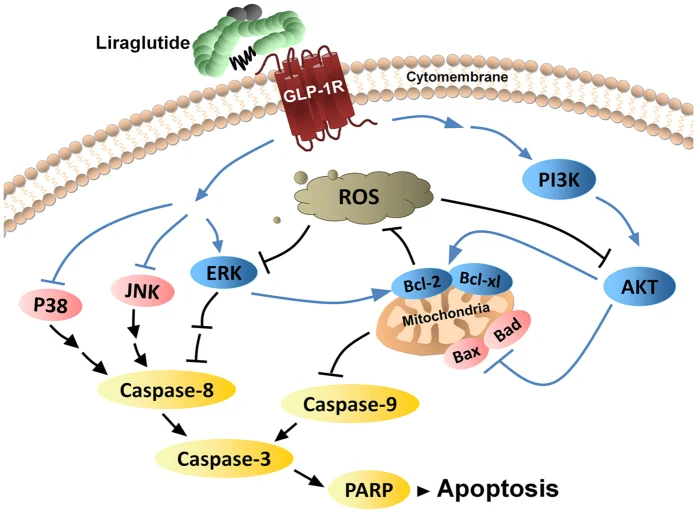
It can do this by lowering the amount of reactive oxygen species (ROS) in the brain and preventing glutamate-induced excitotoxicity. R R
It also crosses the blood brain barrier (BBB). R
Liraglutide can protect the brain from cerebral edema after traumatic brain injury (TBI) and can reduce BBB permeability. R
This makes liraglutide beneficial for patients with hemorrhagic stroke. R
Liraglutide is also protective against Alzheimer's Disease and other dementias. R
In a mouse model of Alzheimer's liraglutide was able to increase memory and hippocampus size. R
It can also promote neurite outgrowth (via MEK-ERK pathway). R
Although, other studies have shown it has no effect on removing beta-amyloid plaque, but it can help prevent the buildup. R R
It can also prevent the toxic effects of beta-amyloid plaque on the brain. R
In diabetic mice, it has shown to prevent tau hyperphosphorylation. R R
Liraglutide may also help patients with Parkinson's Disease, although there is conflicting evidence. R R
When rats with Parkinson's were given liraglutide combined with sitagliptin, there was a reduction in brain damage and pro-inflammatory markers (IL1b, IL6, and TGFB1) with an increase in dopamine, GDNF, and TH+ cells. R
In epileptic mice, liraglutide can decrease the severity of seizures, reduce oxidative stress and restore altered neurotransmitter levels. R
4. Has Anti-Anxiety Properties
Liraglutide in animal models has shown to have anti-anxiety properties. R
It doesn't show as great of an anti-depressant action as sitagliptin. R
5. Has Anti-Inflammatory and Anti-Oxidant Properties

In vitro, liraglutide has anti-inflammatory effects on pancreatic cells. R
It's anti-inflammatory properties can protect diabetic rats after having pancreatic graft implants. R
Liraglutide decreases secretion of the pro-inflammatory cytokine IL-6 and chemokine CCL2. R
Liraglutide can reduce oxidative stress. R
It can decrease ROS and increase MnSOD (a powerful mitchondrial antioxidant). R
6. Protects The Vascular System

In the LEADER (Liraglutide Effect and Action in Diabetes: Evaluation of Cardiovascular Outcome Results) 2 year study, liraglutide showed to decrease the chance of heart attack. R
Liraglutide directly can protect heart muscles (via regulation of calcium homeostasis). R
Lirglutide can also prevent the calcification of arteries and lower total cholesterol levels. R R
It can help with chronic kidney disease as liraglutide reduces the chance of atherosclerosis and kidney inflammation (but not fibrosis). R
Lirglutide can balance blood pressure. R
It can improve hypertension (high blood pressure) in polycystic ovarian sydnrome (PCOS). R
It can also protect against hypertension brought on by certain toxins. R
7. May Prevent Multiple Sclerosis
In rats susceptible to multiple sclerosis (MS), liraglutide was able to delay the onset of the disease. R
8. May Help With Addiction
When rats were given liraglutide, they cared less for alcohol and consumed less (by attenuating dopamine release, but had no effect on blood alcohol levels). R
This was also similar in cases with amphetamine-induced, cocaine-induced and nicotine-induced addictions. R
9. Protects the Liver
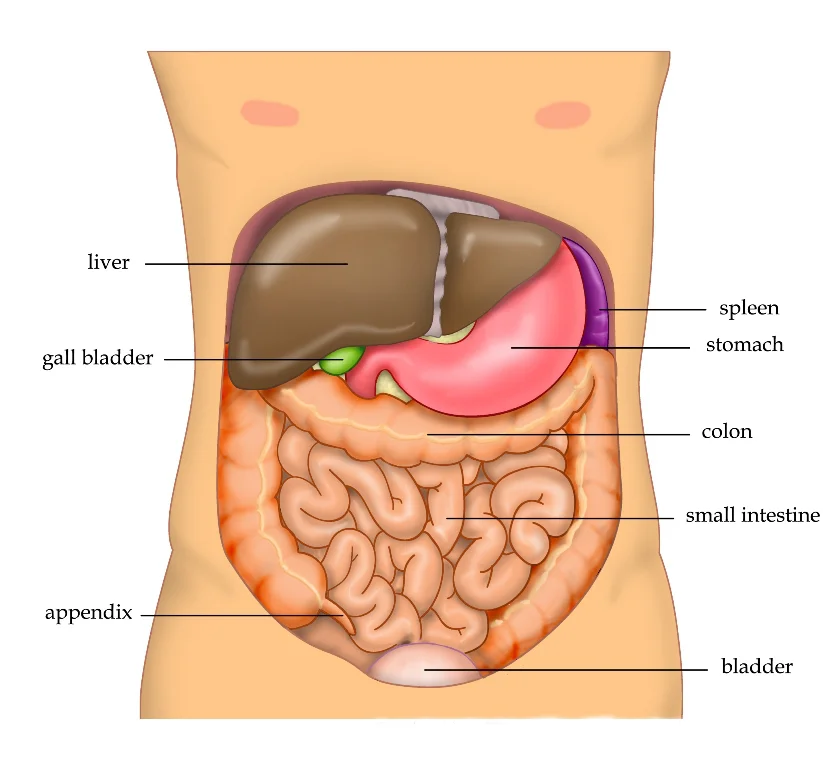
Liraglutide can protect the liver from excess inflammation. R
Liraglutide is able to decrease reduce metabolic dysfunction, lipotoxicity, and insulin resistance in patients with non-alcoholic steatohepatitis (NASH). R R
In the LEAN (Liraglutide safety and efficacy in patients with non-alcoholic steatohepatitis study, liraglutide resolved NASH. R
It decreases leptin, increases adiponectin and reduces inflammatory markers like hsCRP. R
Hepatic de novo lipogenesis (DNL) is a major contributor to lipid accumulation in the context of Non-alcoholic fatty liver disease (NAFLD). R
Liraglutide can significantly reduce hepatic DNL. R
In vitro, it can reduce fatty tissue on the liver in NAFLD. R
Patients with metabolic problems can have high non-esterified fatty acids (NEFA) levels. R
Liraglutide is able to reduce fasting NEFA levels. R
It has no effect on gallbladder volume. R
10 May Help With Fatigue
Liraglutide use has been associated with reduction in daytime sleepiness. R
This is more of a benefit for those with type 2 diabetes, than healthy patients. R
Alternatives to Liraglutide
These will activate the same pathways and should serve as a replacement to liraglutide.
Supplements:
Drugs:
Click here for the full list of GLP1 receptor agonists and GLP1 increasers.
Caveats
Lirglutide may prevent bones from forming properly and may increase chances of osteoporosis and fractures. R
Although some studies have shown the opposite. R
Liraglutide may blunt some of the benefits of exercise. R
Lirglutide may increase the risk for thyroid cancers. R
Serum calcitonin, a biomarker of medullary thyroid cancer, can become slightly increased in some liraglutide patients. R
It's possible for GLP1 analogues, like Lirglutide to cause acute pancreatitis. R
It shouldn't be taken with other GLP1 receptor agonists. R
It shouldn't be taken with insulin. R
Serious side effects reported in patients include gallbladder disease, renal impairment, and suicidal thoughts. R
Less serious ones have been GI upset. R
It can raise heart rate (~2-3bpm higher). R
Liraglutide may also lower testosterone. R
Mechanism Of Action

Simple:
- Increases ACTH and coritsol when taken acutely, but chronically taken lowers it R
- Increases adenylate cyclase 3 (AC3) R
- Increases adiponectin R
- Increases AMPK R
- Increases angiogenesis R
- Increases Gastric inhibitory polypeptide (GIP) R
- Increases GLP1 R
- Increases intracellular ROS (decreases it extracellularly) R R
- Increases manganese superoxide dismutase (MnSOD) R
- Increases NO production R
- Increases PI3K/AKT pathway R
- Decreases CCL2 and IL-6 R
- Decreases Leptin R
- Decreases HbA1c (but dulaglutide may be more more effective) R R R
- Decreases hsCRP R
- Decreases mTOR R
- Decreases NF-kB activation R
- Decreases NPY/AgRP R
- Decreases Orexin (possibly) R
- Decreases PDGF R
- Decreases PPARγ R
- Decreases TGF-B R
- Has low immunogenicity R
Advanced:
- Liraglutide is an acylated analogue of GLP-1 (glucagon-like peptide-1) with an amino acid sequence 97% homologous to human hormone incretin GLP-1. R
- GLP1 is secreted response to ingestion of carbohydrates and lipids, stimulating insulin secretion, suppression of glucagon secretion, slower gastric emptying and increased satiety. R
- Liraglutide stimulates insulin secretion of the pancreas by binding to the same receptors as GLP1, when blood glucose is elevated. R
- It's half-life is around 13 hours when injected subcutaenously, and when GLP1 is produced endogenously, it's half-life is of 1.5-2 minutes. R R
- Receptors for GLP1 are found all over the body: pancreas, lung, kidney, atrial cardiomyocytes, lymphocytes, and the brain. R
- DPP4 breaks down GLP1. R
Genetics

More Research
Jacob Gordon
INHC, FMT-C
Integrative Nutrition Health Coach
I cover mold illness, post-viral recovery, methylation, and complex chronic disease, drawing on ten years of clinical research, work inside a functional medicine clinic, and my own recovery from all of it. Every claim here is cited.
Book a ConsultationRelated Protocols & Supplements
Deep-dive chapters and recommended supplements for this topic
Electrolyte Complex
1 scoop/day
CoQ10
200mg/day
Magnesium Glycinate
400mg at bedtime