Magnesium: Forms, Dosing, And What Each One Actually Does
By Jacob Gordon, INHC, FMT-CMagnesium is involved in more than 300 enzymatic reactions, yet most people only know it as a sleep or muscle supplement.
In this post, we will discuss why magnesium matters, how different forms target different tissues, what the research actually says for sleep, anxiety, migraines, and dysautonomia, and how to dose it without wasting money.

What Is Magnesium
Magnesium is an essential mineral and electrolyte that serves as a cofactor for enzymes involved in ATP production, DNA repair, muscle contraction, nerve signaling, and blood pressure regulation. RIt is the fourth most abundant cation in the body and the second most common intracellular cation after potassium. R
Roughly 50-60% of total body magnesium resides in bone, 27% in muscle, and the remainder in soft tissues and extracellular fluid. R
Serum magnesium represents less than 1% of total body stores and is tightly regulated, so a normal serum level does not rule out intracellular depletion. R
Why Magnesium Deficiency Is Common
Modern diets often fall short of the recommended daily intake. R
Soil depletion, refined grains, and reduced intake of leafy greens, nuts, and seeds all contribute. R
Chronic stress, heavy sweating, alcohol use, and several common medications increase magnesium loss or reduce absorption. R
Proton pump inhibitors (PPIs), loop diuretics, and thiazide diuretics are well-documented causes of drug-induced magnesium depletion. RSymptoms of low magnesium are often nonspecific:
Anxiety or feeling wired-but-tired Constipation Cramping or muscle twitching Fatigue Headaches or migraines Insomnia PalpitationsMagnesium Forms Compared
Not all magnesium supplements are equivalent.
The form determines absorption, tissue distribution, side effects, and the best clinical use case.
Magnesium Glycinate
Magnesium glycinate is magnesium bound to glycine, an inhibitory amino acid.It tends to be well absorbed and gentle on the gut, making it a good choice for people who get diarrhea from other forms. R
Many people use it for sleep, anxiety, and muscle relaxation because glycine itself supports GABAergic tone and sleep quality. R
Magnesium Citrate
Magnesium citrate is magnesium bound to citric acid.It has relatively good bioavailability and is more soluble than oxide. R
At higher doses it has an osmotic laxative effect, so it is often used for constipation but may cause loose stools in sensitive people. R
Magnesium Threonate
Magnesium threonate is a newer form developed to increase brain magnesium levels.Animal studies suggest it crosses the blood-brain barrier more effectively than some other forms, though human data on cognitive outcomes remain mixed. R
It is commonly chosen for brain fog, memory, or anxiety, but it is typically more expensive per milligram of elemental magnesium.
Magnesium Malate
Magnesium malate is magnesium bound to malic acid, a Krebs cycle intermediate.It is often discussed in the context of fibromyalgia, chronic fatigue, and muscle pain, though high-quality human trials are limited. R
Malate may support ATP production, which is why this form is popular among people with mitochondrial or fatigue concerns.
Magnesium Oxide
Magnesium oxide is inexpensive but poorly absorbed, with bioavailability estimated around 4% in some studies. RIt is primarily used as a laxative or antacid rather than for repleting magnesium status. R
For most people, oxide is not the best choice if the goal is raising tissue magnesium.
Magnesium Chloride
Magnesium chloride is often used in topical products and some oral formulations.Oral bioavailability is moderate, but it can be acidic and irritating to the stomach. R
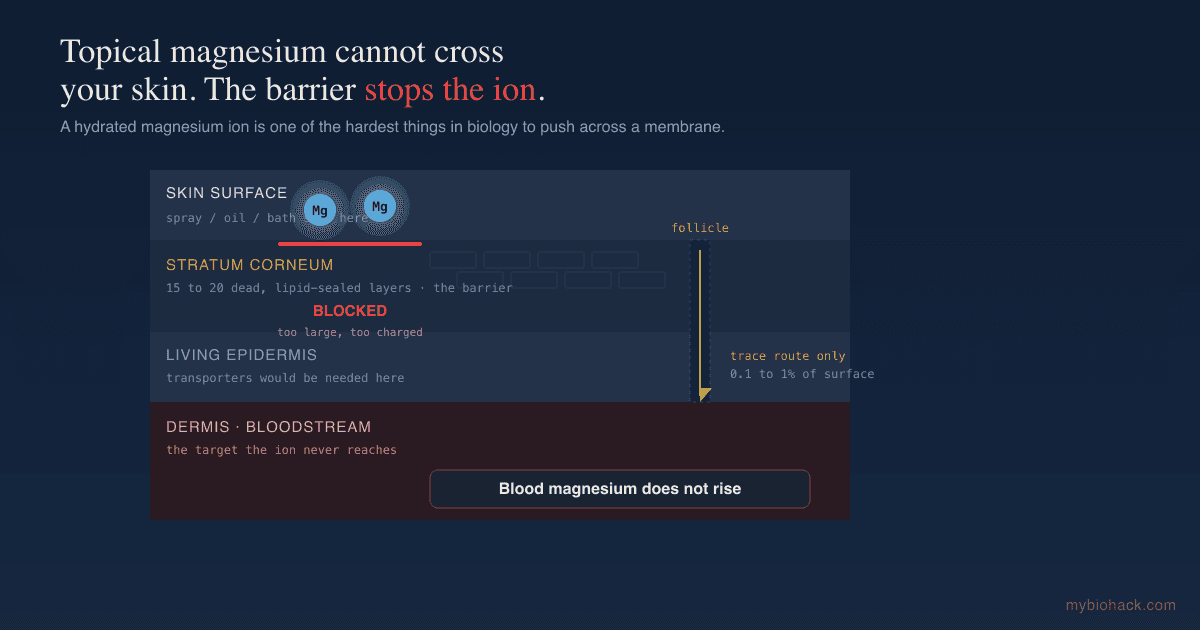
Topical magnesium chloride is popular for muscle cramps, though evidence that it raises systemic magnesium through skin is weak. R
Magnesium Sulfate
Magnesium sulfate is the form used intravenously or intramuscularly in hospitals for preeclampsia, severe asthma, and arrhythmias.Oral magnesium sulfate is usually avoided for supplementation because it acts as a strong laxative.
Benefits By Symptom
Sleep
Magnesium supports GABA function and melatonin regulation, and low magnesium is associated with poor sleep quality. R
A systematic review of supplemental magnesium for sleep found modest improvements in sleep quality, especially in people with baseline deficiency or insomnia. R
Forms that tend to work best for sleep are glycinate, threonate, or citrate taken 1-2 hours before bed.
Anxiety
Magnesium modulates the hypothalamic-pituitary-adrenal axis and may reduce cortisol secretion. R
A systematic review found that magnesium supplementation was associated with reduced subjective anxiety in people with mild-to-moderate anxiety, though study quality was mixed. R
Glycinate and threonate are commonly preferred for anxiety because of their calming or brain-targeting profiles.
Migraines
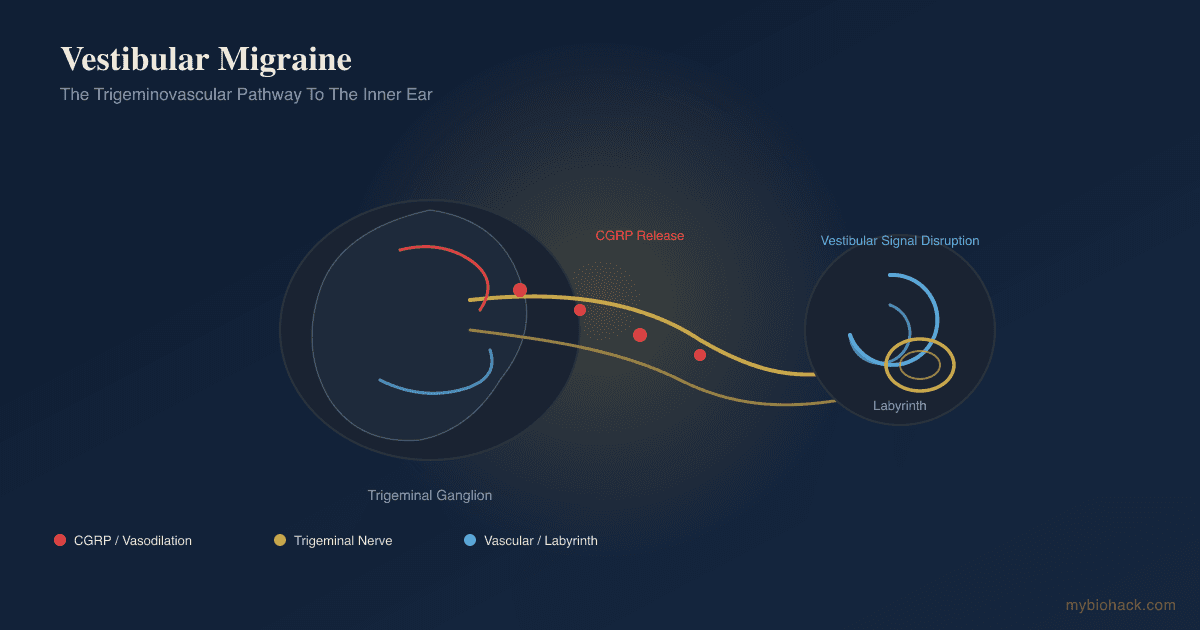
Magnesium deficiency is common in migraine sufferers, and magnesium is often recommended as a preventive treatment. R
The American Headache Society and other groups have included magnesium in migraine prevention guidelines, though response varies. R
Glycinate or citrate are commonly used for migraine prevention.
POTS And Dysautonomia
Magnesium helps regulate vascular tone, nerve conduction, and cardiac rhythm, all of which are relevant in POTS and dysautonomia. R
Many people with POTS report palpitations, tremors, and muscle cramps that improve with magnesium repletion, though large clinical trials in POTS specifically are lacking.
Jacob's hypothesis is that magnesium supports endothelial and neuromuscular stability in the context of junction dysfunction and vascular stress, but this remains a working model.
Muscle Cramps
Evidence for magnesium in muscle cramps is inconsistent. R
It likely helps most when cramps are due to deficiency, dehydration, or electrolyte imbalance, and helps less when the cause is neuropathic or vascular.
Dosage And Safety
The Recommended Dietary Allowance (RDA) for magnesium is 310-420 mg per day for adults, depending on age and sex. R
For supplementation, elemental magnesium doses of 200-400 mg per day are commonly used. R
The tolerable upper intake level (UL) for supplemental magnesium is 350 mg per day, based on the risk of osmotic diarrhea. R
That said, many clinicians use higher elemental doses under supervision, especially when deficiency is documented.
Start low and titrate based on bowel tolerance.
Signs you have taken too much include diarrhea, cramping, and nausea.
Drug Interactions And Contraindications
Magnesium can reduce absorption of several medications if taken at the same time. R
Separate magnesium from the following by at least 2-4 hours:
Bisphosphonates Levothyroxine Quinolone antibiotics Tetracycline antibioticsMagnesium should be used cautiously in people with kidney disease, especially stage 4-5 chronic kidney disease, because impaired renal excretion raises the risk of hypermagnesemia. R
People on warfarin or other anticoagulants should monitor levels, as magnesium can affect vitamin K metabolism and platelet function in some contexts.
Mechanisms Of Action
Simple:
Magnesium acts as a cofactor for enzymes that make ATP, the energy currency of the cell. It blocks excessive calcium entry into cells, which helps muscles and nerves relax. It supports GABA and melatonin, which promote calm and sleep.Advanced:
ATP stabilization. Magnesium binds ATP to form Mg-ATP, the substrate for kinases, ATPases, and nucleic acid enzymes. Without adequate magnesium, ATP-dependent signaling is impaired. R Calcium channel antagonism. Magnesium competes with calcium for membrane binding sites, reducing neuromuscular excitability and smooth muscle contraction. R NMDA receptor modulation. Magnesium sits in the NMDA receptor channel and blocks excessive calcium influx during neuronal activation, which may contribute to its calming and neuroprotective effects. R Glycine receptor potentiation. In magnesium glycinate, the glycine moiety may enhance inhibitory signaling through glycine receptors and support sleep architecture. RGenetics
TRPM6 / TRPM7
TRPM6 and TRPM7 are magnesium-permeable ion channels that regulate intestinal absorption and renal reabsorption of magnesium. RLoss-of-function variants can cause familial hypomagnesemia with secondary hypocalcemia. R
CNNM2
CNNM2 mutations impair magnesium transport and are associated with hypomagnesemia, seizures, and intellectual disability. RSLC41A1
SLC41A1 is a magnesium transporter expressed in the kidney and other tissues. RVariants may influence individual magnesium requirements, though clinical testing is not routine.
More Research
Athletic performance. Some trials show magnesium supplementation improves muscle oxygenation and performance in athletes, possibly by supporting energy metabolism and reducing oxidative stress. R Cardiovascular risk. Low magnesium is associated with hypertension, arrhythmia, and atherosclerosis in observational studies, though causality remains debated. R Mental health. Beyond anxiety, preliminary research explores magnesium for depression and ADHD, often in combination with other nutrients. R Testing. For biomarker testing I use the Comprehensive Metabolic Panel and Nutrient Panel to assess magnesium status alongside other electrolytes and minerals.Jacob Gordon
INHC, FMT-C
Board Certified Health Coach
I spent years battling unexplained chronic illness before discovering biohacking, epigenetics, and functional medicine. Now I share that research at MyBioHack to help others find their own answers.
Book a ConsultationRelated Protocols & Supplements
Deep-dive chapters and recommended supplements for this topic
Electrolyte Complex
1 scoop/day
CoQ10
200mg/day
Magnesium Glycinate
400mg at bedtime