Molecular Chaperones And Heat Shock Proteins: HSP70, HSP90, And The Protein Folding Defense System
By Jacob Gordon, INHC, FMT-CThis article contains affiliate links. As an Amazon Associate, MyBioHack earns from qualifying purchases at no extra cost to you. We only link products we research and stand behind.
Heat Shock Proteins (HSPs) are molecular chaperones that fold, refold, and triage damaged proteins, and shifting the balance toward HSP70 and away from chronically elevated HSP90 is one of the most under-used levers for inflammation, longevity, neurodegeneration, and cancer prevention.
In this post, we will discuss the chaperone families in detail, the HSF1 master switch that controls them, why raising HSP70 while modulating HSP90 is the practical goal, the hormesis inputs (heat, cold, exercise, fasting) that shift the balance, the pharmacological and natural modulators, and the emerging role of extracellular HSPs in neuroinflammation.

Basics Of Molecular Chaperones
Proteins must fold into precise three-dimensional shapes to function.
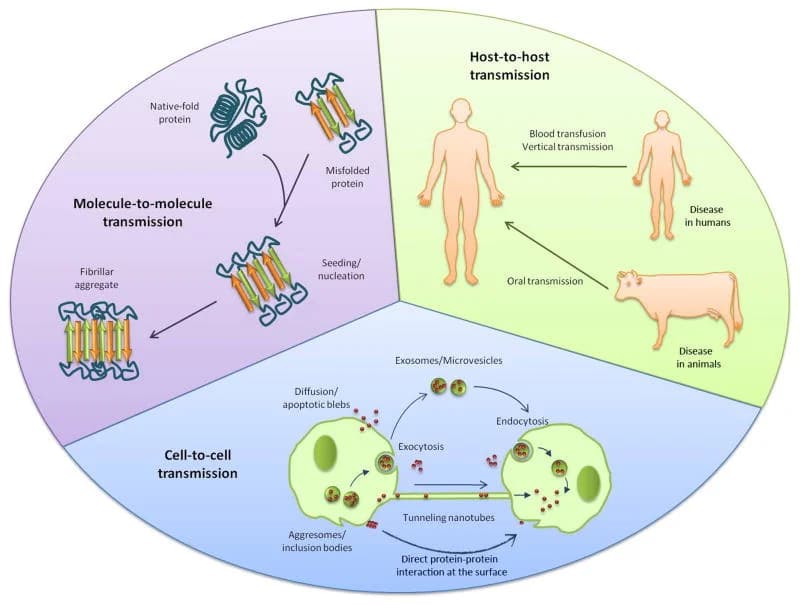
Misfolded proteins aggregate, which is a central mechanism in neurodegeneration, chronic inflammation, amyloid diseases, and cellular aging. R
Chaperones are the enzyme-like helpers that ensure correct folding of nascent proteins, refold partially denatured proteins, and escort damaged proteins to proteasomal or autophagic disposal. R
The entire system is sometimes called proteostasis, and it intersects directly with proteopathy as a disease mechanism.
Heat shock proteins are the best-characterized chaperone family, named because they were first identified as proteins that surge in Drosophila after heat stress in the 1960s. R
They respond to any proteotoxic stress: heat, cold, oxidation, heavy metals, infection, hypoxia, ischemia, inflammatory signals, and exercise. R
The system is evolutionarily ancient, with homologs in every organism from bacteria to humans, and the sequences are among the most conserved in biology.
Beyond their heat-shock name, HSPs are constitutively expressed at baseline to handle ordinary protein folding and turnover. R
The inducible pool rises sharply in response to stress to expand folding capacity.
The HSP Families
HSPs are classified by molecular weight, and each family has distinct structural features and substrates.
The main families: (ordered by size)
- Small HSPs (HSP27, alpha-B-crystallin, HSPB proteins). ATP-independent chaperones that bind partially folded substrates, prevent aggregation, and hand them off to larger HSPs for refolding. R Protect the cytoskeleton and reduce apoptosis during stress.
- HSP40 (DnaJ family, DNAJB, DNAJA, DNAJC). Co-chaperone that hands substrates to HSP70 and activates its ATPase cycle. Over 40 different HSP40 family members exist in humans, each with substrate preferences. R
- HSP60 (HSPD1, chaperonin). Mitochondrial matrix chaperone that folds imported mitochondrial proteins. Also released extracellularly where it acts as a TLR4 ligand and activates microglia, making extracellular HSP60 a DAMP. R
- HSP70 (HSPA1A/B inducible, HSC70 constitutive, mitochondrial HSP70). Broadly protective, folds nascent proteins as they emerge from ribosomes, suppresses inflammatory NF-kB signaling, reduces amyloid and tau aggregation, stabilizes mitochondrial protein import machinery. R
- HSP90 (HSP90AA1 inducible, HSP90AB1 constitutive, GRP94 endoplasmic reticulum, TRAP1 mitochondrial). Stabilizes mature signaling clients including steroid receptors, HER2, Src kinases, and many oncoproteins. Often elevated in cancer and autoimmune disease. R
- HSP110 (HSPH1, Apg-1, Apg-2). HSP70 nucleotide exchange factor and large substrate handler, also an extracellular cancer antigen. R
The NIH recently identified a wound-healing role for the HSP40 family member DnaJB5 that highlights how many non-canonical chaperone functions are still being discovered. R
HSF1: The Master Switch
Heat Shock Factor 1 (HSF1) is the transcription factor that binds heat shock elements (HSE) in HSP gene promoters and drives their expression.
At baseline, HSF1 is held inactive in the cytoplasm by HSP90 itself, which is the self-regulating loop that prevents constitutive HSP induction. R
When misfolded protein load rises, HSP90 releases HSF1 to bind client proteins.
Free HSF1 trimerizes, translocates to the nucleus, binds HSEs, and drives transcription of HSP70, HSP90, HSP27, and dozens of other proteostasis genes. R
This is the core feedback loop: proteotoxic stress → HSP90 release of HSF1 → HSF1 trimerization → HSE binding → HSP induction → folding capacity restored → HSF1 resequestered.
Anything that produces acute proteotoxic stress without overwhelming the cell activates HSF1 productively.
HSF1 activity is also modulated by post-translational modifications including phosphorylation at serine 326 (activating) and serine 303/307 (inhibitory via GSK-3beta), SUMOylation, and acetylation. R
Sirtuin 1 (SIRT1) deacetylates HSF1 and extends its DNA-binding activity, which is one mechanism by which caloric restriction and NAD+ support improve proteostasis. R
HSF1 is co-opted in many cancers as a pro-survival factor, which is why HSF1 inhibition is being explored as an oncology target. This also means HSF1 is not a universally beneficial tuning knob. R
HSP70 Versus HSP90
HSP70 is largely what you want more of in most contexts.
It reduces protein aggregation, inhibits inflammatory NF-kB, protects mitochondria, suppresses apoptosis during stress, reduces neurodegeneration markers, and improves insulin sensitivity. R
Higher baseline HSP70 is associated with longer lifespan in multiple model organisms R.
In humans, acute HSP70 induction in response to exercise is a marker of good stress adaptation.
HSP90 is more complicated.
Some HSP90 is essential (it is one of the most abundant proteins in the cell), but chronic elevation stabilizes pro-inflammatory kinases, mutant p53, HER2, and oncogenic clients, which is why HSP90 inhibitors are an active area of cancer and autoimmunity drug development. R
HSP90 is frequently upregulated in tumor cells to support their protein-synthesis demands, and HSP90 inhibitors (17-AAG, ganetespib, onalespib, pimitespib) destabilize those clients selectively. R
The practical target is intact HSF1 responsiveness, robust acute HSP70 induction, and avoidance of chronic HSP90 elevation driven by sustained cellular stress.
Hormesis inputs produce exactly this profile: acute HSP70 surge with return to baseline, rather than chronic background elevation.
Extracellular HSPs And Neuroinflammation
HSPs are classically intracellular but are released into circulation during cellular stress, cell death, and inflammation.
Extracellular HSP60 and extracellular HSP70 behave very differently than their intracellular forms.
Extracellular HSP60 functions as a damage-associated molecular pattern (DAMP) and binds TLR4 on microglia, macrophages, and dendritic cells, activating inflammatory cascades. R
This means chronic cellular stress producing persistent HSP60 release drives the exact inflammatory tone that productive hormesis is meant to reduce.
In Alzheimer and Parkinson models, extracellular HSP60 and HSP70 contribute to chronic microglial activation. R
In cancer, extracellular HSP70 can either stimulate NK cell anti-tumor activity (beneficial) or stabilize tumor cell surface signaling (harmful), depending on context. R
The therapeutic goal is to promote intracellular HSP70 without generating chronic extracellular HSP leakage R, which means supporting healthy cell turnover and avoiding chronic low-grade tissue damage.
HSPs In Disease
HSP modulation intersects with a long list of clinical conditions.
Contexts where HSP induction is protective include: (alphabetical)
- Alzheimer disease (HSP70 reduces amyloid-beta and tau aggregation) R
- ALS (HSP70 reduces SOD1 and TDP-43 aggregation) R
- Cardiovascular disease (HSP70 protects against ischemia-reperfusion injury) R
- Diabetes and insulin resistance (HSP70 restores insulin signaling) R
- Huntington disease (HSP70 reduces polyglutamine aggregation) R
- Ischemic stroke (HSP70 is part of the ischemic preconditioning response) R
- Parkinson disease (HSP70 reduces alpha-synuclein aggregation) R
- Sepsis (HSP70 capacity predicts outcome) R
Contexts where HSP90 elevation is harmful include:
- Cancer (many types) (HSP90 stabilizes oncogenic clients) R
- Chronic autoimmunity (HSP90 stabilizes pro-inflammatory kinases) R
- Fibrosis (TGF-beta signaling relies on HSP90) R
How To Shift The HSP Balance
1. Acute Heat Exposure (Sauna)
Finnish sauna at 80-100 C for 15-30 minutes induces a clear HSP70 response in skeletal muscle and PBMCs, with durable improvements in cardiovascular and all-cause mortality in long-term Finnish cohort data. R
Three to four sessions per week is the exposure most associated with benefit.
Four-to-seven sessions weekly in the Finnish population studies was associated with the steepest reduction in all-cause mortality. R
Heat-acclimation training protocols used by endurance athletes produce the same HSP70 response and improve performance at normal temperatures. R
Infrared Sauna Blanket: at-home alternative when a Finnish sauna is not accessible, though the core temperature elevation is less pronounced than traditional sauna.
Hot yoga, hot tub bathing (40+ C for 20-30 minutes), and contrast showers also produce partial HSP responses. R
2. Cold Exposure
Cold water immersion and deliberate cold showers induce HSP70, alpha-B-crystallin, and HSP27, with additional effects on norepinephrine, cold-shock protein RBM3, and mitochondrial biogenesis. R
Two to three minutes of genuine cold (below 15 C water or 5 C air) is enough to trigger the response without blunting training adaptations.
Cross-adaptation is real: regular cold exposure improves heat tolerance and vice versa, because both stressors engage HSF1.
Whole-body cryotherapy is studied but the evidence is weaker than for cold water immersion.
3. Exercise
Extended zone-2 work raises HSP70 in skeletal muscle and improves thermotolerance within two weeks.
Resistance training produces an acute HSP70 spike proportional to mechanical load. R
Interval training is particularly potent for HSF1 activation when combined with concurrent heat exposure.
The training-induced HSP response is one mechanism by which exercise improves insulin sensitivity, neuroprotection, and longevity.
4. HSP70 Inducers And HSP90 Modulators
Geranylgeranylacetone (GGA, teprenone): a specific HSP70 inducer available over the counter in Japan, with trial data in gastric protection, neurodegeneration models, and aging research. R
Celastrol: HSF1 activator and potent HSP70 inducer from thunder god vine (Tripterygium wilfordii). Use cautiously and short term due to GI and reproductive side effects at higher doses. R
Quercetin: mild HSP90 inhibitor at higher doses, paradoxically raises HSP70 in some tissues via compensatory HSF1 activation.
EGCG: HSP90 modulator and autophagy supporter from green tea, synergizes with the sauna response.
Sulforaphane: activates NRF2 and HSF1 concurrently, which is one mechanism of its broad hormetic benefit.
Phycocyanin (from spirulina): modulates HSP expression with antioxidant crosstalk.
Withaferin A (from ashwagandha): HSF1 activator with broad hormetic effects. R
Curcumin: raises HSP70 in several tissue models while modulating HSP90 client stability.
5. Intermittent Fasting And Caloric Restriction
Both raise autophagy and HSF1 activity, improving proteostasis without the downsides of chronic caloric deprivation. R
Time-restricted eating at 14-16 hours produces a reliable HSP70 response with fewer adherence issues than extended fasting R.
Occasional longer fasts (24-48 hours) produce larger autophagy and HSP responses but require context and recovery.
See the caloric restriction mimetics post for supplementation approaches.
6. Reduce Baseline Inflammatory Load
Persistent low-grade inflammation consumes HSP70 capacity and maintains background HSP90 elevation.
Address dysbiosis, LPS load, and biotoxin accumulation so the HSP system has spare capacity for productive hormesis responses.
Address systemic and long-term inflammation as a prerequisite for effective hormesis.
7. Support Co-Chaperones And Upstream Inputs
Nicotinamide Riboside or NMN: support NAD+ and SIRT1, which deacetylates HSF1 to extend its activity.
Trans-Resveratrol: SIRT1 activator that supports HSF1 activity indirectly.
Adequate zinc and magnesium are required for proper HSF1 DNA binding. R
What To Stay Away From
- Chronic hyperglycemia (glycation load overwhelms chaperone capacity and drives background HSP90 elevation)
- Chronic heat without cold (unidirectional exposure is less potent than pulsed hormesis)
- Chronic oxidative load (smoking, pollution, unchecked oxidative stress burn HSP reserves)
- Long-term HSP90 inhibitor use without indication (drug-level HSP90 inhibition has real side effects and can destabilize essential clients)
- Sauna plus heavy alcohol (dehydration, hepatic overload, and blunted HSF1 response cancel benefits)
- Sauna during acute infection or febrile illness (HSP system is already maxed out)
- Prolonged severe caloric deprivation (collapses anabolic capacity and eventually HSF1 responsiveness)
Testing
Blood Markers
Serum eHSP70 and eHSP60 are research assays rather than routine clinical tests, and interpretation is still evolving. Elevated extracellular HSP60 tends to indicate ongoing cellular stress. R
hs-CRP, IL-6, TNF-alpha serve as practical downstream markers of the inflammatory load that consumes HSP capacity, captured on the Foundation Zoomer (Vibrant Wellness).
HbA1c, fasting insulin, HOMA-IR as markers of glycation load competing with chaperone capacity, via the Cardio Zoomer (Vibrant Wellness).
Functional Lab Panels
I use the Cellular Zoomer (Vibrant Wellness) for oxidative stress markers (8-OHdG, GGT, lipid peroxides) and methylation markers that reflect proteostatic load.
For oxidative stress genetics, the Toxin Genetics panel includes HSP-adjacent detox variants.
The Foundation Zoomer provides the baseline inflammatory and metabolic context.
Functional Proxies
Heart rate recovery, VO2max, heat tolerance testing, and subjective post-sauna or post-cold-exposure feeling are practical proxies for HSP capacity and HSF1 responsiveness.
A simple clinical test: someone with robust HSP capacity tolerates a 20-minute sauna session with minimal post-session fatigue. Someone running on depleted HSF1 capacity will feel drained for hours afterward.
Mechanisms Of Action
Simple:
- Heat shock proteins are the cell's repair crew for damaged proteins.
- Sauna, cold, exercise, and fasting all briefly stress the system and make it stronger.
- More HSP70 generally means less inflammation and less protein aggregation.
- Chronic low-level stress does the opposite: it drains the system without letting it recover, which is why background stress management matters as much as hormesis.
Advanced:
- HSF1 trimerization and nuclear translocation. Under proteotoxic stress, HSP90 releases HSF1, which trimerizes via a leucine zipper domain, translocates to the nucleus, binds heat shock elements (nGAAn repeats), and drives HSP transcription. Sustained HSF1 activity also suppresses inflammatory NF-kB transcription and modulates autophagy gene expression. R R
- Extracellular HSP60 TLR4 signaling. Released HSP60 functions as a DAMP and activates microglial TLR4, producing chronic neuroinflammation when the system is overloaded. This is one mechanism by which chronic cellular stress amplifies its own pathology. R
- HSP90 client stabilization. HSP90 stabilizes steroid receptors, HER2, Src family kinases, AKT, RAF, and mutant p53, which is why pharmacological HSP90 inhibition is effective in certain cancers but has wide off-target effects. The client list is over 200 proteins. R R
- HSP70 anti-aggregation. HSP70 prevents and reverses aggregation of tau, alpha-synuclein, huntingtin, amyloid-beta, SOD1, and TDP-43 in multiple neurodegeneration models. It recognizes exposed hydrophobic regions in partially folded proteins and holds them in folding-competent states. R R
- HSP70 NF-kB suppression. HSP70 binds and stabilizes IkB-alpha, preventing NF-kB nuclear translocation and reducing inflammatory gene transcription, which is one mechanism of its anti-inflammatory effect R.
- Chaperone-mediated autophagy. HSC70 recognizes KFERQ-like motifs in substrate proteins and targets them to the lysosomal LAMP2A transporter for direct lysosomal degradation without autophagosome formation. This pathway is central to tau and alpha-synuclein clearance. R
- SIRT1-HSF1 crosstalk. NAD+-dependent SIRT1 deacetylates HSF1 at lysine 80, extending its DNA binding activity and improving the proteostasis response to chronic stress. This is one mechanism through which NAD+ restoration improves cellular resilience. R
Genetics
HSPA1A / HSPA1B (HSP70 Family)
Encode the inducible HSP70 isoforms.
Promoter variants affect HSP70 induction amplitude and have been linked to sepsis outcomes, longevity, exercise adaptation, and type 2 diabetes risk. R R
rs1043618 (HSPA1A promoter) — variants affect inducibility under stress.
rs1061581 (HSPA1B) — A allele associated with reduced HSP70 expression and worse sepsis outcomes in several cohorts. R
HSPB1 (HSP27)
Encodes a small HSP with roles in cytoskeletal protection and anti-apoptosis.
Mutations cause a subset of Charcot-Marie-Tooth disease (type 2F) and distal hereditary motor neuropathy. R
HSPD1 (HSP60)
Encodes the mitochondrial HSP60.
Mutations cause hypomyelinating leukodystrophy and spastic paraplegia, reflecting the critical role of HSP60 in mitochondrial protein import. R
HSF1
The master regulator. Expression levels vary widely across tissues and individuals and correlate with proteostatic capacity and cancer risk, since HSF1 is co-opted in many tumors as a pro-survival factor.
HSP90AA1 And HSP90AB1
Encode the alpha and beta isoforms of cytoplasmic HSP90.
Promoter variants affect baseline expression and are being investigated in cancer susceptibility and drug response R.
DNAJB6
Encodes an HSP40 family member critical for protein folding in skeletal muscle.
Mutations cause limb-girdle muscular dystrophy type 1E. R
BAG3
Encodes a co-chaperone that works with HSP70 and regulates autophagy.
Mutations cause dilated cardiomyopathy and myopathy, reflecting chaperone dependence of cardiac and skeletal muscle. R
More Research
- Finnish sauna 3-7 times weekly is associated with reduced all-cause, cardiovascular, and dementia-related mortality in prospective cohorts, with dose-response relationships to frequency and duration. R
- For biomarker testing I use the Cellular Zoomer to assess oxidative and methylation burden that competes for chaperone capacity.
- HSP70 induction by acute exercise improves insulin sensitivity and reduces skeletal muscle inflammation in humans and rodent models. R
- Sulforaphane, celastrol, withaferin A, and curcumin all activate HSF1 with overlapping NRF2 activation, which is one mechanism of the combined hormetic benefit of cruciferous vegetables and traditional botanicals. R
- Stress-activated chaperones have specific substrate preferences and induction kinetics that differ from housekeeping chaperones, supporting targeted rather than blanket modulation. R
- Targeted HSP90 inhibition is in active clinical development for HER2-positive cancers and some autoimmune conditions, which underscores that the intact balance, not blanket induction, is the goal. R
- The NIH published a 2019 paper identifying a DnaJ family member (HSP40 subfamily) as critical for wound healing, highlighting the rapidly expanding catalog of non-canonical chaperone roles. R
Jacob Gordon
INHC, FMT-C
Board Certified Health Coach
I spent years battling unexplained chronic illness before discovering biohacking, epigenetics, and functional medicine. Now I share that research at MyBioHack to help others find their own answers.
Book a ConsultationRelated Protocols & Supplements
Deep-dive chapters and recommended supplements for this topic
Quercetin
500mg 2x/day
SPM Active (Pro-resolving Mediators)
2 softgels/day
Curcumin (Liposomal)
500mg 2x/day