Selenium: Thyroid, Glutathione Peroxidase, And Viral Defense
By Jacob Gordon, INHC, FMT-CSelenium is an essential trace mineral that most people associate with thyroid health, but its role in antioxidant defense and viral immunity is just as important.
In this post, we will discuss how selenium works, why the thyroid depends on it, how it supports immune defense, and how to dose it without overshooting the narrow safety window.

What Is Selenium
Selenium is an essential trace element that exerts most of its biological effects through selenoproteins, a family of proteins that contain the amino acid selenocysteine. RThere are at least 25 human selenoproteins involved in redox regulation, thyroid metabolism, immune function, and DNA synthesis. R
Selenium is concentrated in the thyroid gland, liver, kidneys, and skeletal muscle. R
Selenoproteins
The most clinically relevant selenoproteins include:
Glutathione peroxidases (GPX1, GPX2, GPX3, GPX4). These reduce hydrogen peroxide and lipid peroxides, protecting cells from oxidative damage. R Thioredoxin reductases. These support DNA synthesis and redox signaling. R Iodothyronine deiodinases (DIO1, DIO2, DIO3). These activate and deactivate thyroid hormones. R Selenoprotein P (SEPP1). This transports selenium through the bloodstream and delivers it to tissues. RThyroid Function
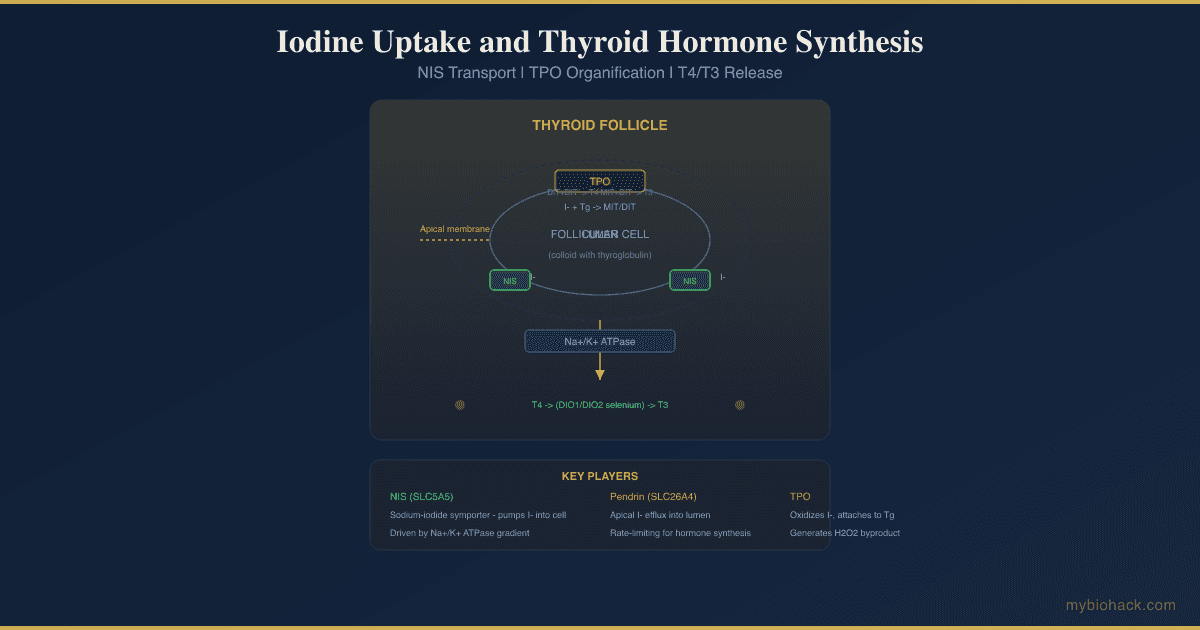
Selenium is critical for thyroid hormone metabolism. R
The deiodinase enzymes convert the inactive thyroid hormone T4 into the active T3 form, and selenium is an essential cofactor for this process. R
In Hashimoto's thyroiditis, selenium supplementation has been studied for its ability to reduce thyroid peroxidase antibodies (TPOAb) and improve thyroid function. R
A 2024 meta-analysis found that selenium reduced TPOAb levels and improved TSH in some Hashimoto's patients, particularly those not yet on thyroid hormone replacement. R
However, the evidence is mixed, and high-dose selenium is not automatically safe for all thyroid patients. R
Glutathione Peroxidase And Antioxidant Defense
Glutathione peroxidases are among the most important antioxidant enzymes in the body. RThey use glutathione to neutralize hydrogen peroxide and organic hydroperoxides, preventing oxidative damage to lipids, proteins, and DNA. R
Without adequate selenium, GPX activity declines and oxidative stress increases. R
This is particularly relevant for people with chronic inflammation, autoimmune disease, or high oxidative burden. R
Viral Defense
Selenium status influences how the immune system responds to viral infections. R
Selenium deficiency increases oxidative stress, which can facilitate viral genome mutations and increase pathogenicity in viruses like Coxsackie and influenza. R
In HIV, low selenium levels are associated with worse outcomes, and supplementation has been studied for stabilizing CD4 counts and reducing complications. R
The mechanism is not about selenium killing viruses directly. R
It supports immune cell function and antioxidant defenses, which helps the host mount a more controlled antiviral response. R
Deficiency And Toxicity
Deficiency Signs
Selenium deficiency is relatively rare in well-nourished populations but can occur with malabsorption, chronic illness, or low-soil diets. R
Signs include:
Cardiomyopathy (Keshan disease) Fatigue Hair and nail changes Impaired immune function Muscle weakness or painToxicity
The therapeutic window for selenium is narrow. R
Selenosis can occur with chronic intake above 400 mcg per day and causes: Brittle nails Fatigue Garlic-like breath Gastrointestinal distress Hair loss Neurological abnormalitiesBrazil nuts are extremely high in selenium and vary widely in content, so eating more than 1-2 nuts per day can push some people over the safe upper limit. R
Dosage And Food Sources
The Recommended Dietary Allowance (RDA) for selenium is 55 mcg per day for adults. R
Supplemental doses typically range from 100-200 mcg per day, often as selenomethionine or selenium yeast. R
The tolerable upper intake level (UL) is 400 mcg per day. R
Food sources include:
Brazil nuts (very high, variable) Fish (tuna, sardines, halibut) Meat (beef, chicken, turkey) Eggs Sunflower seedsMechanisms Of Action
Simple:
Selenium is incorporated into selenoproteins that act as antioxidants and thyroid hormone regulators. It helps convert inactive T4 into active T3. It supports immune cells and reduces oxidative stress during viral infections.Advanced:
Selenocysteine incorporation. Selenium is inserted into selenoproteins as selenocysteine via a specialized tRNA and SECIS element in mRNA, allowing these proteins to act as efficient redox catalysts. R Deiodinase regulation. DIO1 and DIO2 activate thyroid hormone by outer-ring deiodination of T4 to T3, while DIO3 inactivates it; selenium availability modulates this balance. R GPX antioxidant defense. GPX enzymes reduce hydrogen peroxide and lipid hydroperoxides using glutathione as a cofactor, protecting membranes and proteins from oxidative damage. R Immune modulation. Selenium influences T-cell proliferation, neutrophil function, and cytokine production, supporting a balanced antiviral response. RGenetics
GPX1
GPX1 encodes cytosolic glutathione peroxidase, a key antioxidant enzyme. RThe rs1050450 variant has been studied for its effect on GPX activity and oxidative stress susceptibility. R
SEPP1
SEPP1 encodes selenoprotein P, which transports selenium from the liver to peripheral tissues. RVariants may influence selenium distribution and individual requirements. R
SEP15
SEP15 is an endoplasmic reticulum selenoprotein involved in protein folding and quality control. RIts expression can be influenced by selenium status and genetic variants. R
More Research
Cancer. Some observational studies link higher selenium status to lower cancer risk, but randomized trials have been inconsistent and high-dose selenium may increase risk in some populations. R Cardiovascular disease. Selenium deficiency is associated with cardiomyopathy and heart failure, but supplementation in replete individuals has not consistently reduced cardiovascular events. R Autoimmunity. Beyond Hashimoto's, selenium has been explored in Graves' orbitopathy and other autoimmune thyroid diseases. R- Testing. For biomarker testing I use the Comprehensive Metabolic Panel and Thyroid Panel to assess selenium-related thyroid and antioxidant status.
Jacob Gordon
INHC, FMT-C
Board Certified Health Coach
I spent years battling unexplained chronic illness before discovering biohacking, epigenetics, and functional medicine. Now I share that research at MyBioHack to help others find their own answers.
Book a ConsultationRelated Protocols & Supplements
Deep-dive chapters and recommended supplements for this topic
Quercetin
500mg 2x/day
Vitamin D3 + K2
5000 IU + 200mcg/day
Magnesium Glycinate
400mg at bedtime