The Best Ways to Regulate Menopause
By Jacob Gordon, INHC, FMT-CThis article contains affiliate links. As an Amazon Associate, MyBioHack earns from qualifying purchases at no extra cost to you. We only link products we research and stand behind.
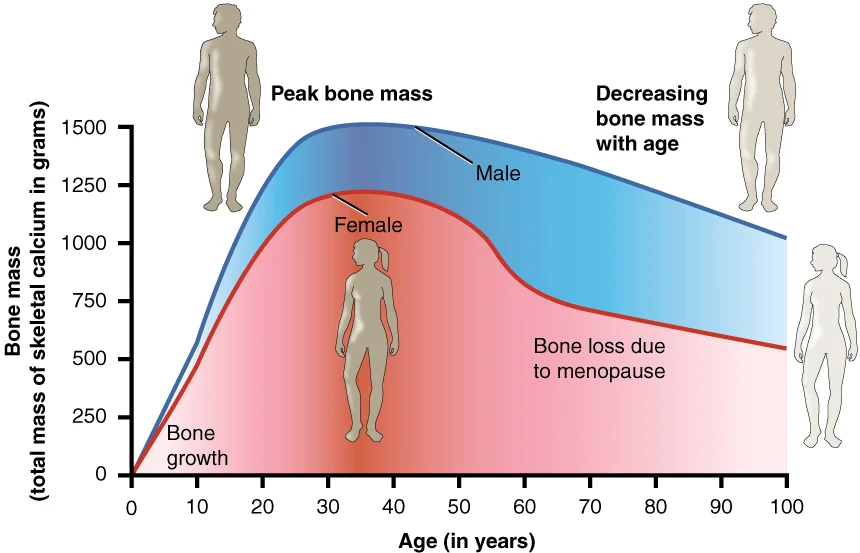
Bone loss due to menopause occurs due to changes in a woman's hormone levels.
Basics

Adaptogens

There is not a lot of consistent evidence for alternative therapies such as coumestrol, femarelle, or black cohosh. R R R R
The effect of soy isoflavones on menopausal symptoms is promising for reduction of hot flashes and vaginal dryness. R R
Adaptogens
- May alleviate discomfort felt by perimenopausal women. R
- It has a balancing effect of Maca-GO on sex hormone levels. R R
- Reduces psychological symptoms, including anxiety and depression, and lowers measures of sexual dysfunction in postmenopausal women. R
- Maca did not exert hormonal or immune biological action in the small cohort of patients studied; however, it appeared to reduce symptoms of depression and improve diastolic blood pressure in Chinese postmenopausal women. R
- Enhances immune function, increases corticosteroid production, and promotes cell regeneration. R R
- Has Antioxidant qualities. R
- It’s an anti-androgen - reduces levels 5-alpha reductase, the enzyme that facilitates conversion of testosterone to dihydrotestosterone (DHT). R R R R
- May help with hot flashes. R
- Acts on the pituitary gland to regulate various hormones like estrogen, follicle stimulating hormone (FSH), luteinizing hormone, and prolactin. R R R R
This is a good combination supplement for menopause.
Hormone Replacement

Vaginal canal: normal vs menopause
Hormone replacement therapy (HRT) is the use of estrogen in women without a uterus and estrogen plus progestin in women who have an intact uterus. R
It can be useful for hot flashes. R
It can increase the risk of stroke and blood clots. R
It should be used for the shortest time and lowest dose possible. R
Genetic polymorphisms in estrogen receptors may change the metabolic response to HRT. R
Also estrogen therapy has shown to be effective in reducing tooth and gum diseases in postmenopausal women. R
Selective Estrogen Receptor Modulators

The domain structures of ERα and ERβ, including some of the known phosphorylation sites involved in ligand-independent regulation.
SERMs are a category of drugs, either synthetically produced or derived from a botanical source, that act selectively as agonists or antagonists on the estrogen receptors throughout the body.
Two common SERMs prescribed are raloxifene and tamoxifen.
- Raloxifene exhibits oestrogen agonist activity on bone and lipids, and antagonist activity on breast and the endometrium. R
- Tamoxifen is in widespread use for treatment of hormone sensitive breast cancer.

Medications
Some of the SSRIs and SNRIs appear to provide some relief.R
Low dose paroxetine has been FDA-approved for hot moderate-to-severe vasomotor symptoms associated with menopause. R
They may, however, be associated with sleeping problems. R
Gabapentin or clonidine may help but does not work as well as hormone therapy. Clonidine may be associated with constipation and sleeping problems. R
More Research
- Osteoporosis can be minimized by smoking cessation, adequate vitamin D intake and regular weight-bearing exercise. The bisphosphate drug alendronate may decrease the risk of a fracture, in women that have both bone loss and a previous fracture and less so for those with just osteoporosis. R
Jacob Gordon
INHC, FMT-C
Integrative Nutrition Health Coach
I cover mold illness, post-viral recovery, methylation, and complex chronic disease, drawing on ten years of clinical research, work inside a functional medicine clinic, and my own recovery from all of it. Every claim here is cited.
Book a ConsultationRelated Protocols & Supplements
Deep-dive chapters and recommended supplements for this topic
Quercetin
500mg 2x/day
Vitamin D3 + K2
5000 IU + 200mcg/day
Magnesium Glycinate
400mg at bedtime