The Good, The Blue, And The Ugly (Blue Light Part 2)
By Jacob Gordon, INHC, FMT-C
Blue light naturally occurs as part of the visual spectrum but we’re overexposed to it as a result of our devices like TVs and computers. There is a lot of research on blue light that looks at how it hurts it, but there is also increasing interest in studying how it benefits us. Today, I’ve listed five pros and five cons of blue light.
1. Cellular Damage
Too much blue light exposure increases reactive oxygen species (ROS, glossary). ROS are chemical species within your cells that contain oxygen and although they are a normal byproduct of how your body processes oxygen, too much of it can hurt the parts within the cells (like your mitochondria) and lead to an increased cancer risk.
2. Damages the Eyes
This is one of blue light's most commonly cited drawbacks. Blue light can damage the “rods and cones” in your eyes which are responsible for your ability to perceive light and turn it into images so that you can see. It can also increase the chances of glaucoma due to damage of the mitochondria in your eye cells, irritate your corneas making your eyes feel dry, and cause headaches due to the fact that the shorter wavelengths are more difficult to focus on.
3. Harms the Skin
Being indoors around blue lights can contribute to your risk for skin cancer rather than being outside and exposed to the sun as commonly believed. In addition, blue light has also been shown to reduce the skin’s natural antioxidant levels, another contributor to increased cancer risk.
4. Throws off your Circadian Rhythm
Your circadian rhythm is your natural sleep schedule. Just as encountering lots of light in the morning can help you wake up, being surrounded by too much blue light (or green light) from your computer or TV in the evenings can prevent you from feeling sleepy. This is because blue light affects the photoreceptors in the body (the parts that take in light) and affects the way they tell the body release melatonin—the hormone that helps you sleep. The photoreceptors tell the body not to produce melatonin which hurts your ability to fall asleep.
5. Leads to Weight Gain
Melatonin is not the only hormone affected by blue light. It also has an effect on the hormones that make you feel hungry (ghrelin) and satisfied (leptin). It can increase your risk of developing heart disease and high blood pressure, accelerate the development of metabolic syndrome which is associated with type 2 diabetes, and increase the production of new fat cells.
5 Benefits of Blue Light
1. Prevents Diseases
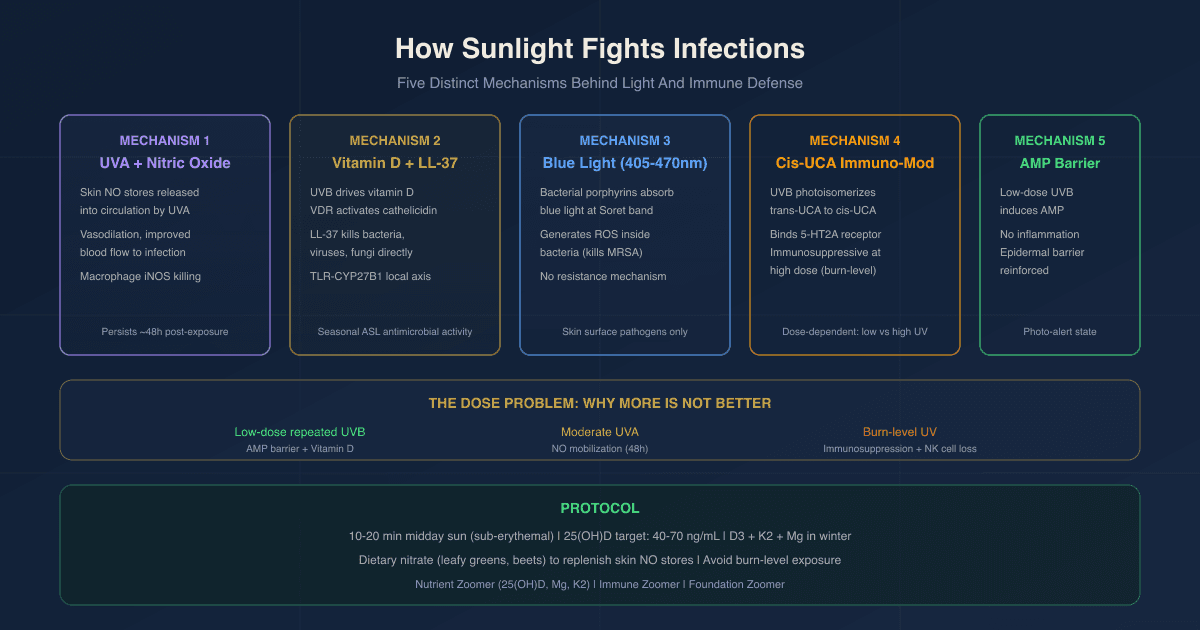
Blue Light is an antimicrobial which means that it deactivates bacteria and certain viruses such as E. coli, norovirus, and salmonella. Blue Light can also bacteria from forming a biofilm (meaning they stick together) by disrupting inter-bacterial communication which hinders their ability to reproduce. On top of that, it may be beneficial for deactivating the pathogens that are found on food.
2. Helps Your Skin
Despite the drawbacks to the skin I described above, blue light can also help your skin, too. It can decrease the symptoms of plaque psoriasis, enhance wound healing, and alleviate eczema. Since blue light is antimicrobial, it can also be used to treat acne that is caused by bacteria.
3. Resets your Circadian Rhythm
Blue Light can disrupt the way your body perceives when it is time to sleep. However, if you’re very savvy about the effects of blue light, you can use it to your advantage to reset your circadian rhythm to a healthier and more beneficial sleep schedule. Plus, retraining your circadian rhythm using blue light can reduce the risk of developing cancer.
4. Affects Cognition
Coupled with getting enough sleep, blue light can increase your alertness and help with the “post-lunch” dip in energy. It can increase your cognition and working memory because it increases brain derived neurotrophic factor (BDNF, helps your brain cells grow and become stronger). It can also reduce symptoms of Multiple Sclerosis although over exposure can contribute to Parkinson’s Disease and brain aging.
5. Boosts Mood
Lastly, as a result of more sleep and more awareness, your mood improves, too. Blue Light can be used to treat mood disorders like seasonal affective disorder (SAD), bipolar disorder, and postpartum depression (PPD). Bright light regulates dopamine, the hormone that makes you feel good. It also has been shown to have an even greater effect on mood when combined with caffeine.
In my next post, I’ll show you how to biohack blue light: to make the most of its benefits and to minimize its harms. In the meantime, you can check out my page on super coffee.
TLDR: blue light is a double-edged sword and has to be used correctly to improve your health..
Jacob Gordon
INHC, FMT-C
Integrative Nutrition Health Coach
I cover mold illness, post-viral recovery, methylation, and complex chronic disease, drawing on ten years of clinical research, work inside a functional medicine clinic, and my own recovery from all of it. Every claim here is cited.
Book a ConsultationRelated Protocols & Supplements
Deep-dive chapters and recommended supplements for this topic
Quercetin
500mg 2x/day
Vitamin D3 + K2
5000 IU + 200mcg/day
Magnesium Glycinate
400mg at bedtime