How Jet Fumes And Hypoxia On Planes Affect The Body
By Jacob Gordon, INHC, FMT-CThis article contains affiliate links. As an Amazon Associate, MyBioHack earns from qualifying purchases at no extra cost to you. We only link products we research and stand behind.
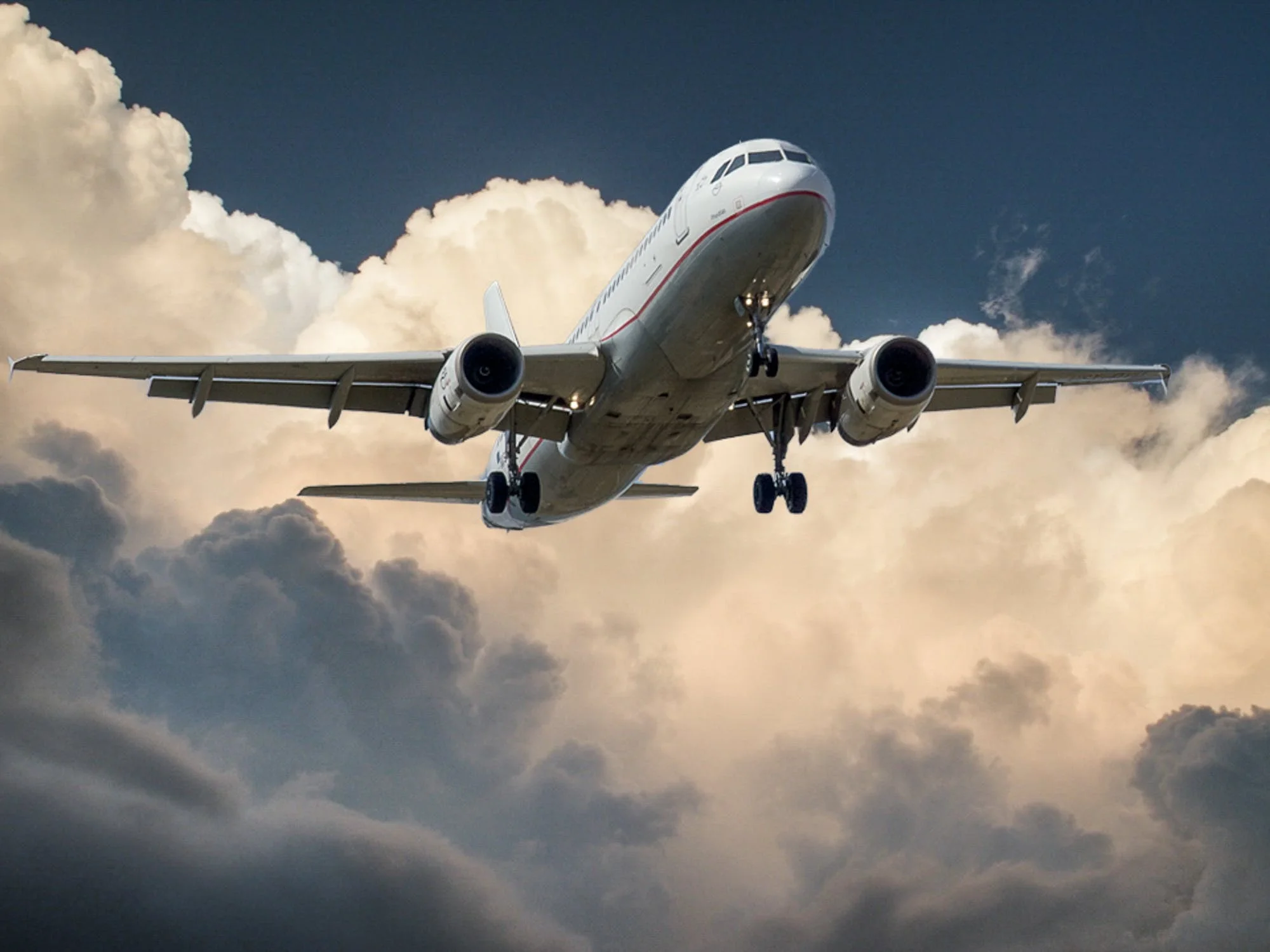
Hypoxia (loss of oxygen) is a major stressor on the body.
On average, one can live ~21 days without food, ~2 days without water, but only a few minutes without oxygen. R
Most studies review long term exposure of hypoxia, but in this post we will discuss what happens to the body on a cellular level when exposed to hypoxia in the short term, such as flying or space travel (in a non-hormetic way). R.
Basics
Almost two billion people use commercial aircrafts annually. R
When you go on a plane, you normally reach altitudes that cause hypobaric hypoxia (~2300m/8000ft). R
The higher you go into the atmosphere, air pressure (hypobaric) and oxygen (hypoxia) both become less available. R
This means there is less oxygen available to mitochondrial metabolism and less oxygen to saturate tissue, so the body must adapt to this stressor. R
This condition is called short-term hypobaric hypoxia (STHC) or intermittent hypobaric hypoxia (IHH) and as an adaptive response to keep to body in homeostasis, this creates proteopathy (misfolding of proteins). R R R
Hypobaric Hypoxia
1. Starves Mitochondria
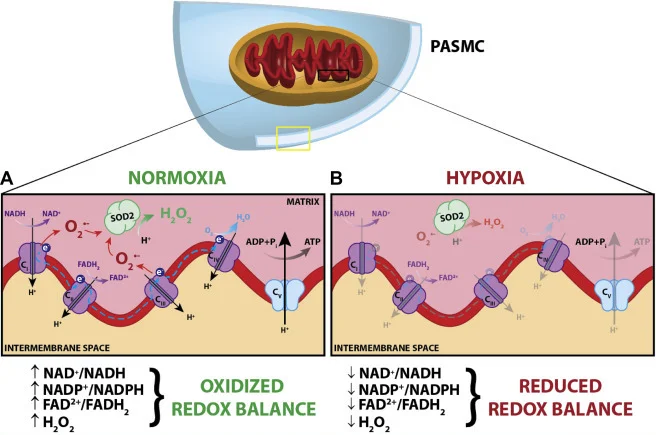
STHC causes mitochondria to produce more free radicals than it can quench. R
STHC limits the availability of oxygen for reduction to H2O2 at cytochrome oxidase. R
This leads to further production of ROS and RNOS. R
2. Reduces Cognitive Function And Brain Permeability
STHC may reduce cognitive function. R
STHC causes cognitive impairment (affecting memory function specifically) causing hippocampus mitochondrial and synaptic lesions. R
As seen in astronauts, STHC may induce with swelling of the optic disc due to disruption the blood-brain barrier (BBB) and result in cerebral edema. R
STHC in the brain and vascular system decreases expression of the gene Apo-E. R
This reduction in Apo-E makes it harder to protect against glutamate-induced cell death.R
Apo-E also has many effects such as antioxidant, anti-platelet aggregation, anti-proliferative effects, and immunomodulation properties. R R R R
3. Induces Headaches
Changes in cabin pressure during take-off and landing can cause airplane headache (AH). R R R
AH has been commonly associated with anxiety. R
CGRP and VIP levels may be decreased during AH (needs further research). R
4. Impairs Liver Function
STHC may induce insulin resistance as it reduces retinol binding protein (RBP4) which down-regulates GLUT4 (insulin-dependent factor that moves glucose into fat/muscle). R
This also releases more retinol (in free form) into the extracellular space of the cell (10x more than normal). R
In animal models, STHC has shown to increase gluconeogenesis in the liver. R
5. Increases Coagulation
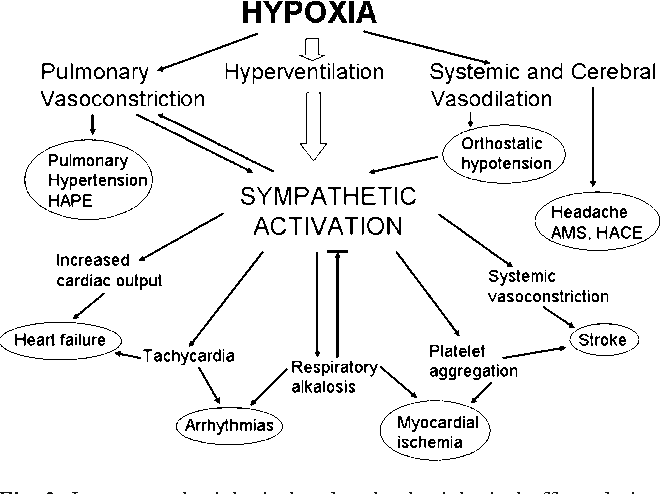
STHC increases the risk of thrombosis. R R
This increases the risk of developing stroke, chronic obstructive pulmonary disease (COPD) and obstructive sleep apnea syndrome (OSAS). R R R
Flying (STHC) triggers systemic inflammation and platelet activation, which leads to coagulation induction and degranulation of platelets. R
Also, STHC reduces Apo-M (protects LDL from oxidative stress) and Apo-H (prevent activation of the intrinsic blood coagulation). R R
It may also make sickle cell disease worse as it causes sickling of blood cells. R
STHC increases hypoxia-inducible factor-1 and -2 (HIF1a and HIF2a) and causes iron dysregulation in the blood. R
6. Reduces Lung Function
Higher altitudes alter pulmonary function and may make respiratory conditions worse (such as COPD, asthma, pneumothorax, bronchogenic cysts, restrictive pulmonary diseases, cystic fibrosis and pulmonary hypertension). R
As an adaptive response in STHC, ApoA-I gene expression increases. R
ApoA-I protects arteries in the lungs, maintains airway function, and helps prevent inflammation and collagen deposition in the lung. R
7. Worsens Wound Healing
STHC reduces fetuin. R
Fetuin plays as an anti-inflammatory mediator that is critical to regulating the innate immune response following tissue injury. R
8. Damages Vision
STHC may cause optic neuropathy (OD). R
For example, in a case study, a 12 hour flight caused a patient to develop OD in the right eye. R
STHC may also induce myopia. R
For example, in another case study, a patient developed myopia in his right eye after a plane landing. R
9. Worsens Exercise Performance

Exposure to moderate altitude accelerates destruction of muscle tissue. R
It also increases the ability for muscles to become fatigued (as STHC accelerates the transition from the slow-to-fast-twitch fiber type and decreases mitochondrial function/aerobic metabolism in muscles). R
Training in hypoxia, Intermittent induced cyclic hypoxia (IICH), has been studied recently in athletes. R
IICH can stimulate erythropoietin and red blood cell production and increase ventilation. R
IICH may also increase arterial blood pressure through activation of the reninangiotensin system in healthy subjects. R
It also enhances sympathetic and blood pressure responses to acute hypoxia and hypercapnia. R
However, exercise with oxygen therapy (EWOT) + IICH does show some benefits (see separate post). R R
10. Decreases Immune Function
Reactivation of latent herpes viruses often occurs during short-duration flights. R
STHC suppresses the immune system - T cell function is impaired during hypoxic stress and promotes the accumulation of extracellular adenosine as a result of enhanced purine nucleotide degradation from adenosine tri- and diphosphate (ATP, ADP). R
11. Worsens Inflammatory Bowel Disease
Flying can cause Inflammatory Bowel Disease (IBD) flares. R
Crohn's Disease (CD) and Ulcerative Colitis (UC) patients have shown to have elevated levels of HIF-1α and HIF-2α. R R
12. Impairs Sleep And Jet-Lag Recovery
Flying with STHC may reduce the ability to sleep and make jet-lag symptoms worse. R
13. Alters Water Intake
STHC reduces water intake. R
Cabin Air
Jet Fumes, Cabin Air, And Aerotoxic Syndrome

Most human and animal studies show the effects of jet fumes to be pretty benign, but are not completely harmless. R
They have been linked to aerotoxic syndrome (ill-health effects caused by breathing contaminated/toxic airliner cabin air). R
Exposure to jet fumes in the respiratory system have shown to cause the production of phlegm, cough, and asthma. R
Studies have also shown that neurotoxins found in cabin air jet fumes have been linked cognitive impairment and loss in brain white matter. R R R
Also, long-term studies of US flight attendants show a possible link to:
Breast cancer - circadian disruption disrupts melatonin production and may worsen EMF radiation R
Neurodegeration - suggesting that flight attendants may have an increased risk of Amyotrophic lateral sclerosis (ALS) R
These fumes may get in via engine bleed, which is called a fume event - if an engine bearing seal fails and begins to leak, depending on the location of the seal, some amount of engine oil may be released into the compressed air stream. R
Jet fuel (such JP-8) and jet oil are commonly linked to aerotoxic syndrome and many chemicals from them can be inhaled including: R R R
Exposure to these chemicals may increase risk for developing cancer or other pathologies in humans who are occupationally exposed (such as air force, airport/airplane workers, and firefighters). R R R
Exposed flight-crew members have reported symptoms, including dizziness, nausea, disorientation, blurred vision, and tingling in the legs and arms. R
Cabin air also has flame retardants circulating from plane materials, which are known carcinogens. R
Carbon Dioxide
Recirculated air increases the amount of carbon dioxide (CO2). R
CO2 may: R
Alter behavioral health and performance - irritable, lethargic, visuomotor impairment, nausea, dizziness, derealization, fear of losing control, and paresthesia
Alter bone homeostasis - results in acidosis and the release of calcium carbonate and bone breakdown, so may cause kidney stones
Alter the binding of oxygen in blood - less O2 is bound to hemoglobin
Stimulate hyperventilation - has shown to cerebral blood flow (CBF) by up to 35%, without returning to baseline post-exposure
Vasodilate the brain
How To Protect Against Hypobaric Hypoxia
Check oxygen levels with a SpO2 meter (only represents blood oxygen, not cellular).
Lifestyle:
Hyperbaric Oxygen Therapy (possibly)
Wear Elastic Stockings / Compression Socks - May help prevent thrombosis during long flights R
Supplements:
Ginkgo Biloba -helps with HH adaptation R
Glutamine - protects from intestinal injury and regulates the gut flora imbalance in hypoxia environment R
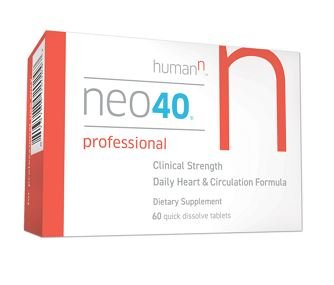
Nitrates (or Neo40)- improves blood flow and is paramount if training (exercising) in hypoxia R R
Quercetin - helps improve brain/mitochondrial function via Sirt1/PGC-1α/FNDC5/BNDF R
Drugs:
Antihistamines - may help with airplane headaches (decreases sinus mucous) R
Pathways:
Hypoxia Tolerance
In humans, hypoxia tolerance improves with increased nitric oxide availability, so consuming greens or supplementing with nitrates may help improve tolerance. R
Another reason for eating greens (or meats) is to increase iron levels, which help with STHC adaptation. R
Also, hypoxia tolerant animal models shower higher levels of the following proteins, so upregulating their expression may be beneficial: R
Increase CRP
Increase CLC11
Increase GPx-3
Increase Hp
Increase PON1
Increase Rab-3D
Increase TTR
Reduce C3
Reduce C4
Mechanism Of Action
Hypobaric Hypoxia:
Increases AAT R
Increases Aldosterone R
Increases CLU R
Increases CRP R
Increases C1QA R
Increases C1QB R
Increases Enoyl CoA hydratase R
Increases F2 R
Increases GAPDH R
Increases GST-P1-1 R
Increases HBA R
Increases Hemopexin R
Increases HP R
Increases IL-6 R
Increases Myoglobin R
Increases NMDA R
Increases PAI1 R
Increases Prothrombin R
Increases Renin R
Increases sP-selectin R
Increases TAT R
Increases TTR R
Increases VDBP R
Reduces ALB R
Reduces Amyloid (serum) R
Reduces Apo-H R
Reduces CAT R
Reduces CA1 R
Reduces Cortisol R
Reduces C3 R
Reduces C4a R
Reduces Fetuin R
Reduces PGK1 R
Reduces RBP (plasma) R
Reduces Transferrin R
Jet Fumes
Genetics
FAM213A
rs77999529
Exhibits a low minor allele frequency in various human populations (may be beneficial for high-altitude adaptation studies have shown accelerated growth in lung volume and chest dimensions in highlanders vs. lowlanders, which might be a developmental compensatory response to high-altitude hypoxia) R
rs150230265
Exhibits significant allele frequency differences between highlanders vs lowlanders (may be beneficial for high-altitude adaptation studies have shown accelerated growth in lung volume and chest dimensions in highlanders vs. lowlanders, which might be a developmental compensatory response to high-altitude hypoxia) R
SFTPD
rs3923564
G allele - risk allele for chronic obstructive pulmonary disease R
rs7078012
T allele - risk allele for chronic obstructive pulmonary disease R
rs3088308
serine to threonine subsitution - damaging and exhibits significant differentiation between HL and LL R
rs721917
Thr/Thr genotype - had significantly lower SP-D serum levels, and is associated with increased disease-susceptibility R
Met allele - associated with defense to respiratory syncytial virus R
rs2243639
More Research
Reduces SpO2 levels may correlate with flight phobia (not well researched). R
Jacob Gordon
INHC, FMT-C
Integrative Nutrition Health Coach
I cover mold illness, post-viral recovery, methylation, and complex chronic disease, drawing on ten years of clinical research, work inside a functional medicine clinic, and my own recovery from all of it. Every claim here is cited.
Book a ConsultationRelated Protocols & Supplements
Deep-dive chapters and recommended supplements for this topic
Electrolyte Complex
1 scoop/day
CoQ10
200mg/day
Magnesium Glycinate
400mg at bedtime