The Carnivore Diet: Mechanisms, Benefits, And Who It Helps
By Jacob Gordon, INHC, FMT-CThis article contains affiliate links. As an Amazon Associate, MyBioHack earns from qualifying purchases at no extra cost to you. We only link products we research and stand behind.
The carnivore diet (exclusively animal foods, zero plants) has emerged as one of the most controversial and potentially therapeutic dietary interventions for chronic illness, yet the scientific evidence lags far behind anecdotal reports.
In this post, we will discuss what the carnivore diet actually is, what it eliminates and why that matters mechanistically, the conditions where it appears to help, how to implement it safely, the testing you should do before starting, and a detailed look at the mechanisms, genetics, and open questions.

Basics Of The Carnivore Diet
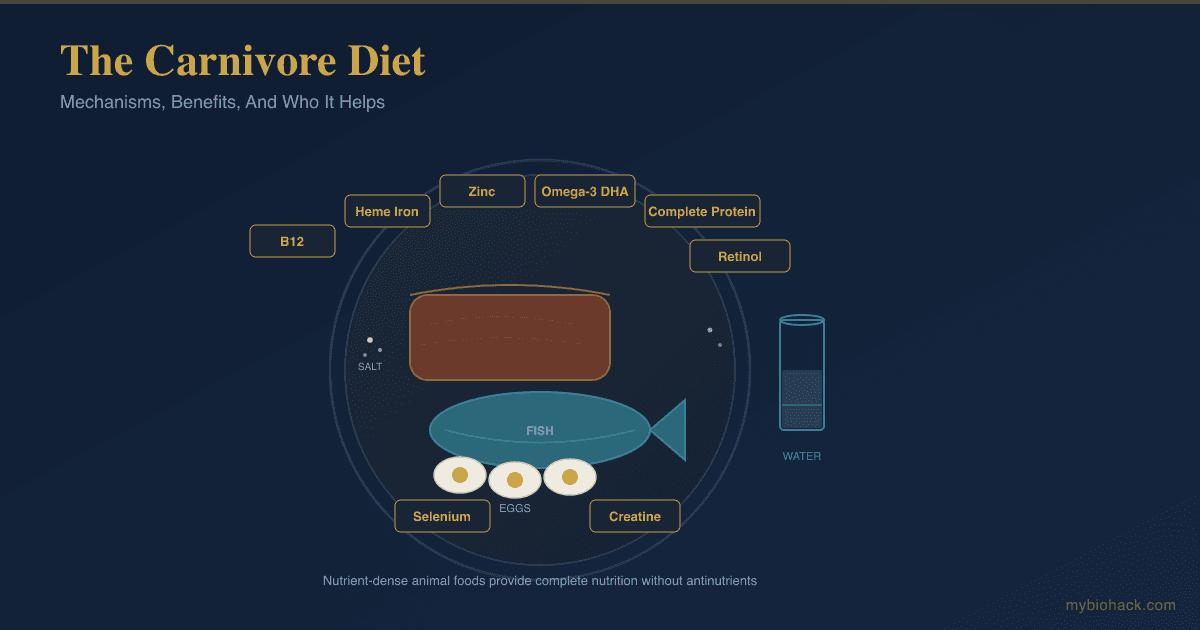
The carnivore diet is a zero-carb, all-animal dietary pattern consisting of meat, fish, eggs, and animal fats, with water and salt as the only approved beverages and seasonings.
It eliminates all plant foods including vegetables, fruits, grains, legumes, nuts, seeds, herbs, spices, and plant-derived oils.
Milk and dairy are optional and variably tolerated depending on the individual.
The diet is inherently ketogenic because carbohydrate intake drops to near zero, which pushes the body into ketosis within a few days to a week for most people.
There is a more restrictive version called the Lion diet that restricts intake to only ruminant meats (beef, lamb, bison, venison), salt, and water, eliminating eggs, dairy, poultry, pork, and fish. R
The Lion diet is often used as a short-term elimination protocol for severe autoimmune or gastrointestinal conditions.
The standard carnivore diet is broader and includes the full range of animal foods.
Both versions share the same core premise: remove all plant-derived compounds from the diet.
What It Eliminates And Why
Every plant food contains compounds that plants produce as chemical defense mechanisms against pests, pathogens, and environmental stress.
These compounds are often referred to as antinutrients or naturally occurring plant food toxicants. R
Over 500 distinct lectins have been isolated from plants, many of which can bind to intestinal epithelial cells and trigger immune activation. R
Here is what the carnivore diet removes and why each category matters:
- Dietary Fiber: The carnivore diet contains essentially zero fiber. Fiber is a prebiotic that feeds saccharolytic bacteria like Bifidobacterium and Faecalibacterium prausnitzii, which produce Short-Chain Fatty Acids (SCFAs) like butyrate. Removing fiber eliminates the primary fuel source for these bacteria, which has both positive and negative consequences discussed below. R
- Fermentable Carbohydrates (FODMAPs): FODMAPs are rapidly fermented by gut bacteria, producing gas that drives bloating, pain, and distension in Small Intestinal Bacterial Overgrowth (SIBO) and Irritable Bowel Syndrome (IBS). The carnivore diet is essentially a zero-FODMAP diet, which can produce dramatic symptomatic relief in these conditions. R
- Lectins: Lectins are carbohydrate-binding proteins found in legumes, grains, nightshades, and many other plants. They can bind to intestinal epithelial cells, disrupt tight junctions, activate immune cells, and cause villus atrophy in susceptible individuals. R
- Oxalates: Oxalic acid is found in spinach, almonds, beets, rhubarb, chocolate, and many other plant foods. Oxalates can accumulate in tissues, contribute to kidney stone formation, and trigger inflammation and pain in genetically susceptible people. Eliminating dietary oxalates allows the body to slowly clear tissue-bound oxalate stores, which can cause temporary worsening of symptoms (oxalate dumping) before improvement.
- Prolamines and Gluten: Prolamines are storage proteins in grains that include gluten (wheat), zein (corn), and hordein (barley). These proteins can trigger immune activation, increase intestinal permeability, and drive Zonulin release in susceptible individuals. R
- Phytates (Phytic Acid): Phytates in grains, nuts, seeds, and legumes bind to minerals including zinc, iron, calcium, and magnesium, reducing their absorption. Removing phytates increases the bioavailability of these minerals from animal foods.
- Goitrogens: Compounds in cruciferous vegetables, soy, and other plants that interfere with thyroid function by inhibiting iodine uptake and thyroid peroxidase activity.
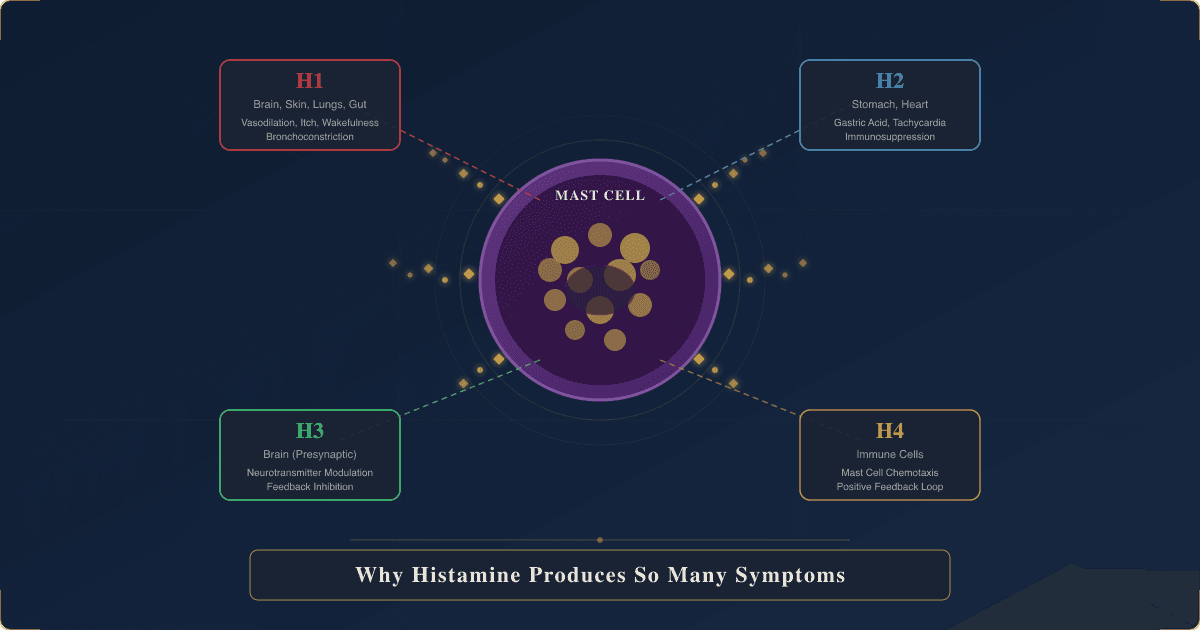
- Salicylates, Amines, and Vasoactive Compounds: Many plant foods contain compounds that can trigger mast cell degranulation and histamine release in sensitive individuals. This is highly individual but can be dramatic for people with Mast Cell Activation Syndrome (MCAS) or histamine intolerance.

Who It Helps: Overlapping Conditions
Inflammatory Bowel Disease (Crohn Disease and Ulcerative Colitis)
A case series of 10 patients with histologically confirmed Inflammatory Bowel Disease (IBD) who adopted a ketogenic or carnivore diet reported universal clinical improvement, with Inflammatory Bowel Disease Questionnaire (IBDQ) scores improving by 72 to 165 points and all patients able to discontinue or avoid medications. R
The proposed mechanisms include removal of dietary antigens, induction of ketosis and its anti-inflammatory effects on the NLRP3 inflammasome, and reduction of colonic bacterial fermentation products that drive inflammation. R
A randomized controlled trial (NCT07524244) is currently recruiting 160 participants with IBD or Rheumatoid Arthritis (RA) to compare ketogenic and carnivore (Lion) diets against a wait-list control, with results expected in 2027. R
Autoimmune Conditions
Survey data from 2,029 adults consuming a carnivore diet for a median of 14 months found that 93% cited health reasons as their primary motivation, and among those with an autoimmune condition, a majority reported improvement. R
A case report documented remission of palindromic rheumatism (a precursor to RA) in a 61-year-old man who transitioned from a standard ketogenic diet to a carnivore diet and remained symptom-free off all medications for 7 years. R
The elimination of dietary antigens including lectins, prolamines, and other plant-derived immune triggers appears to be the primary mechanism, along with the anti-inflammatory effects of nutritional ketosis.
Irritable Bowel Syndrome, SIBO, and Dysbiosis
The carnivore diet is effectively a zero-FODMAP, zero-fiber, zero-prebiotic diet.
This provides rapid symptomatic relief in SIBO/IBS because fermentable carbohydrates are the fuel source for the overgrown bacteria driving gas, bloating, and pain. R
However, this same mechanism means the diet does not correct the underlying dysbiosis and may worsen microbial diversity over the long term. R
For short-term SIBO management (2 to 6 weeks) while treating the root cause, the carnivore diet can be a powerful tool.
Bacterial overgrowth and dysbiosis are central drivers of Micro-Sepsis (MSS) in the Junction Dysfunction (JD) framework, because LPS auto-intoxication from a compromised gut drives TLR4 signaling, immune activation, and systemic inflammation.
Reducing the fermentable fuel available to pathogenic microbes reduces LPS production and may help break the endotoxin looping cycle.
Type 2 Diabetes and Metabolic Syndrome
In the large carnivore diet survey, participants with diabetes reported reductions in median BMI (from 27.2 to 24.3 kg/m2), glycated hemoglobin (0.4% reduction), and diabetes medication use (84 to 100% reduction). R
The German carnivore study (n = 24) found that participants who entered the diet with prediabetic HbA1c values or high triglycerides all experienced normalization of these parameters. R
The mechanisms are straightforward: zero dietary carbohydrates eliminate the primary driver of postprandial hyperglycemia and reduce insulin demand, while ketosis provides an alternative fuel substrate.
Mental Health Conditions
Survey data indicate that 66 to 91% of carnivore diet adherents reported improvements in well-being, and many reported improvements in psychiatric symptoms including depression, anxiety, and brain fog. R
Possible mechanisms include ketone-mediated neuroprotection, resolution of hypoglycemic episodes, reduction of neuroinflammation driven by dietary antigens, and stabilization of dopamine and glutamate signaling through removal of plant-derived neuroactive compounds.
The diet is also inherently low in fermentable carbohydrates that can drive D-Lactic Acid production from dysbiotic gut bacteria, which has been linked to cognitive impairment and mood disturbance.
Mast Cell Activation Syndrome and Histamine Intolerance
Eliminating most plant-derived vasoactive compounds and food antigens can produce dramatic improvement in MCAS patients.
However, a major caveat exists: aged, cured, fermented, or slow-cooked meat can accumulate histamine and other biogenic amines through bacterial decarboxylation of amino acids. R
Histamine concentrations in cured and aged meat products range from undetectable to as high as 346 mg/kg in some dry-cured hams. R
For MCAS patients, fresh (not aged or ground) meat is essential, and histamine-rich cuts should be avoided.
Fresh, unaged meat contains negligible histamine, making a fresh-meat-only carnivore approach potentially therapeutic for this population.
For a deeper dive on the distinction between histamine intolerance and mast cell activation, see the dedicated post on histamine intolerance.
How To Do It
1. Define Your Version
A standard carnivore diet includes all animal foods: beef, lamb, pork, poultry, fish, eggs, animal fats (tallow, lard, butter, ghee), and optional dairy (preferably low-lactose like hard cheese, butter, or ghee).
A Lion diet is the stricter elimination version: only ruminant meats, salt, and water.
Start with the broader version and only narrow to Lion if symptoms persist after 4 weeks.
2. Eat To Satiety
Eat two to three meals per day, each consisting of protein and fat in a ratio that feels satisfying.
Fat intake must be adequate.
Lean meat alone produces the rabbit starvation phenomenon where protein intake exceeds the livers capacity to upregulate gluconeogenic and urea cycle enzymes, leading to hyperaminoacidemia, nausea, and diarrhea.
Aim for a fat-to-protein ratio of roughly 70 to 80% of calories from fat.
Ribeye steak, 80/20 ground beef, fatty fish, eggs cooked in butter or tallow, and added fat trimmings are practical ways to maintain this ratio.
3. Manage The Transition
The first 3 to 14 days involve adaptation as the body shifts from glucose to ketone metabolism.
Common early symptoms include fatigue, headache, muscle cramps, electrolyte diuresis, and diarrhea (often called the keto flu).
These symptoms are primarily driven by the rapid loss of water and electrolytes that occurs when glycogen stores are depleted.
Aggressive electrolyte supplementation is critical during this phase.
Consider a sugar-free electrolyte mix to maintain sodium, potassium, and magnesium levels.
Salt food liberally and aim for 5 to 7 grams of sodium, 3 to 5 grams of potassium, and 400 to 600 mg of magnesium per day during the adaptation phase.
4. Consider Organ Meat Supplementation
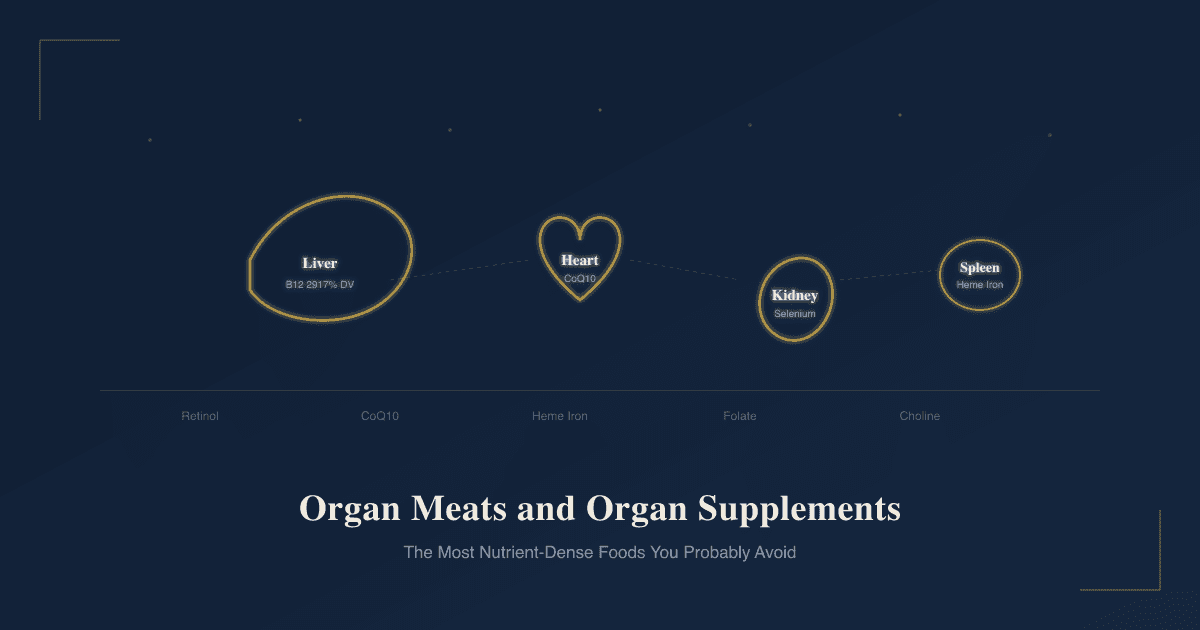
Organ meats are far more nutrient-dense than muscle meat and provide micronutrients that may be marginal on a muscle-meat-only carnivore diet.
Liver is rich in vitamin A, copper, B vitamins, and iron.
Heart is rich in CoQ10 and B vitamins.
Kidney provides selenium and B12.
For those who cannot tolerate the taste of organs, desiccated organ supplements are available.
A weekly serving of liver (3 to 4 ounces) or a daily desiccated liver capsule significantly improves the micronutrient profile of the diet. R
See the dedicated post on organ meats for more detail.
5. Reintroduce (If Desired)
After 4 to 8 weeks of symptom improvement, consider a structured reintroduction phase where low-toxin plant foods are added one at a time.
Test each food for 3 to 5 days before moving to the next.
Track symptoms including digestion, energy, mood, skin, pain, and brain fog.
This approach identifies individual tolerance thresholds and prevents unnecessary long-term restriction.
Concerns And Considerations
LDL Cholesterol Elevation
The most consistent laboratory finding in carnivore diet studies is a significant increase in total and LDL cholesterol.
In the German study, LDL increased from a median of 157 mg/dL pre-diet to 256 mg/dL on the diet (P = 0.00024). R
In the large survey, the subset reporting current lipids had a median LDL of 172 mg/dL, though HDL was 68 mg/dL and triglycerides were 68 mg/dL (both optimal). R
Some individuals develop what is called the Lean Mass Hyper-Responder (LMHR) phenotype, characterized by very high LDL, high HDL, and very low triglycerides on low-carbohydrate diets.
Whether this LDL elevation carries the same cardiovascular risk as LDL elevated on a standard diet is unknown and is the subject of active investigation.
A clinical trial comparing LDL aggregation susceptibility between Mediterranean and carnivore diets is currently enrolling (NCT07462871) and may provide mechanistic insight. R
TMAO
Trimethylamine N-Oxide (TMAO) is a gut microbiota-derived metabolite produced from dietary L-carnitine and choline, which are abundant in red meat and eggs. R
Elevated TMAO is associated with increased risk of major adverse cardiovascular events and all-cause mortality in meta-analyses of prospective observational studies. R
However, systematic reviews of randomized controlled trials find inconsistent effects of red meat intake on TMAO concentrations. R
The clinical significance of diet-induced TMAO elevations remains uncertain because Mendelian randomization studies have not established a causal relationship. R
TMAO concentrations below 6 micromol/L are not considered cardiovascular risk enhancing. R
Vitamin C Sufficiency
This is one of the most common questions about the carnivore diet.
Meat is a relatively poor source of vitamin C (approximately 1 to 2 mg per 100 grams in muscle meat).
However, fresh meat has been recognized for centuries to have antiscorbutic (scurvy-preventing) properties. R
Carnitine, which is abundant in meat, can be synthesized endogenously using vitamin C. The large quantity of dietary carnitine in an animal-based diet may spare the vitamin C that would otherwise be required for endogenous carnitine synthesis. R
Ketosis may reduce the metabolic demand for vitamin C because the Glucose-Ascorbate Antagonism is reduced: glucose and vitamin C compete for cellular uptake via the same GLUT transporters. R
Organ meats, particularly liver, contain meaningful amounts of vitamin C (approximately 23 mg per 100 grams in cooked beef liver).
The 2025 nutrient composition analysis of the carnivore diet found that muscle-meat-only versions did not meet the RDI for vitamin C, but versions containing liver performed significantly better. R
For safety, including organ meats or a low-dose vitamin C supplement (100 to 250 mg per day) is a reasonable precaution.
Calcium And Bone Health
The carnivore diet is low in calcium unless dairy is included.
The nutrient composition analysis found calcium intake at 74 to 84% of the RDI even with dairy included. R
The high protein content of the diet increases urinary calcium excretion through the acid load. R
However, meta-analyses have not found a consistent association between high-protein, acidogenic diets and fracture risk. R
Total calcium absorption may increase on high-protein diets as a compensatory mechanism. R
Including dairy or a calcium supplement and monitoring bone density over time are reasonable precautions.
Gut Microbiome Diversity
The most significant concern about the carnivore diet is its impact on the gut microbiome.
A cross-sectional study of 10 long-term carnivore diet adherents found enrichment of bile-tolerant taxa and elevated protein fermentation pathways. R
A single case study of a 4-year carnivore diet adherent found a high Firmicutes-to-Bacteroidetes ratio but preserved diversity. R
Short-Chain Fatty Acids (SCFAs), particularly butyrate, are the primary fuel for colonocytes, regulate immune function through G-protein-coupled receptor signaling, and maintain colonic barrier integrity.
Without fermentable fiber, the colon relies on alternative fuel sources including ketones, protein fermentation products, and mucin degradation.
Protein fermentation produces potentially toxic metabolites including ammonia, p-cresol, indoles, and hydrogen sulfide. R
Resistant starch supplementation may provide a middle ground for those who want to maintain gut microbial diversity while staying low-carb.
Histamine In Aged Meat
Aged, cured, fermented, smoked, ground, or leftover meat accumulates histamine through bacterial histidine decarboxylase activity. R
Histamine levels above 100 mg/kg have been found in dry-cured hams, salami, and other aged meat products. R
For individuals with histamine intolerance, Diamine Oxidase (DAO) deficiency, or MCAS, this can trigger flushing, headache, palpitations, diarrhea, and nasal congestion.
Practical solutions include eating only fresh or frozen meat, consuming meat within 24 hours of cooking, avoiding ground meat, and considering DAO enzyme supplementation before meals.
For a more detailed discussion, see the dedicated post on histamine intolerance versus MCAS.
Testing Before Starting
Before starting a carnivore diet, establishing baseline markers is essential for monitoring safety and identifying pre-existing risks.
Blood Markers
I use the Foundation Zoomer (Vibrant Wellness) to establish a baseline including comprehensive metabolic panel, complete blood count, liver function (AST, ALT, GGT, alkaline phosphatase), fasting glucose, and thyroid markers.
I use the Cardio Zoomer (Vibrant Wellness) to assess the lipid and lipoprotein profile including total cholesterol, LDL-C, HDL-C, triglycerides, ApoB, and Lp(a), since LDL elevation is the most common laboratory change on the carnivore diet. R
I use the Nutrient Zoomer (Vibrant Wellness) to assess baseline vitamin C, B12, folate, vitamin D, zinc, copper, magnesium, and selenium status. R
Iron Status
Red meat is highly bioavailable in iron, and the carnivore diet can significantly increase iron stores.
For individuals with Hereditary Hemochromatosis (HFE mutations) or any tendency toward iron overload, this is a genuine risk.
I use the Foundation Zoomer to assess serum ferritin, iron, TIBC, and transferrin saturation at baseline and at 3-month intervals on the diet.
For the deeper discussion on iron overload and genetics, see the dedicated post on iron overload.
Thyroid Markers
Very low carbohydrate diets can alter thyroid hormone metabolism, potentially reducing T4 to T3 conversion.
I assess TSH, free T3, free T4, and reverse T3 before starting and at 6 to 8 weeks on the diet to monitor for diet-induced thyroid changes.
Homocysteine And Methylation
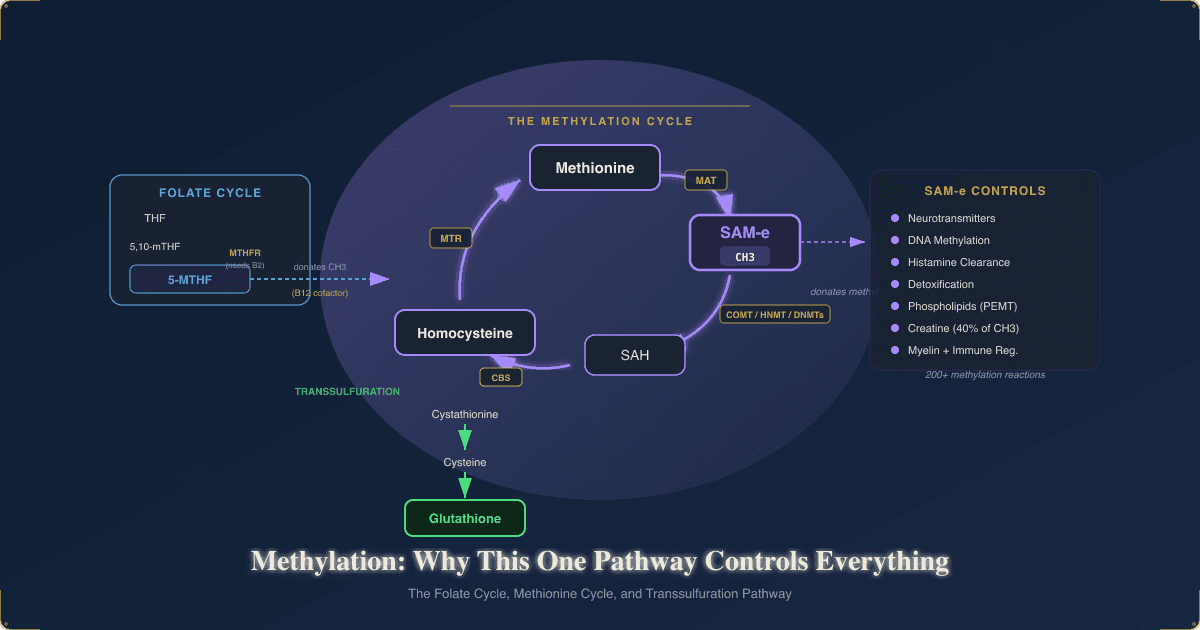
High meat intake increases methionine intake, which can elevate homocysteine if methylation and transsulfuration pathways are compromised.
I use the Cellular Zoomer (Vibrant Wellness) to assess homocysteine levels and methylation cycle markers.
I use the Methylation Genetics panel (Vibrant Wellness) to assess MTHFR, MTR, MTRR, COMT, and BHMT variants that may affect homocysteine clearance.
For the full discussion, see the methylation guide.
Stool Testing
If the goal is to address SIBO, IBD, or dysbiosis, baseline stool testing provides a reference point.
I use the Gut Zoomer (Vibrant Wellness) for comprehensive microbiome analysis including pathogens, commensal bacteria, parasites, zonulin, pancreatic elastase, and occult blood.
I use the GI-MAP (Diagnostic Solutions) as an alternative PCR-based stool test with quantitative pathogen detection.
Genetic Testing
Understanding an individuals genetic variants in methylation, detoxification, and iron metabolism is important before starting a long-term carnivore diet.
I use the Methylation Genetics panel and Toxin Genetics panel (Vibrant Wellness) to assess relevant variants.
Mechanisms Of Action
Simple:
- The carnivore diet eliminates every plant-derived compound that can act as an immune trigger, antinutrient, or gastrointestinal irritant in susceptible individuals.
- The diet induces ketosis, producing beta-hydroxybutyrate, which directly inhibits the NLRP3 inflammasome and reduces inflammation.
- Removing fermentable carbohydrates starves pathogenic gut bacteria that drive SIBO symptoms, gas production, and LPS-driven systemic inflammation.
- The diet normalizes blood glucose and insulin by removing all dietary carbohydrates.
- The high protein and fat content provides satiety without requiring portion control.

Advanced:
- NLRP3 Inflammasome Inhibition via Beta-Hydroxybutyrate: The ketone body Beta-Hydroxybutyrate (BHB) inhibits the NLRP3 inflammasome by preventing potassium efflux and reducing ASC oligomerization. R BHB also increases Fibroblast Growth Factor 21 (FGF21), which further suppresses IL-1beta secretion. R
- Elimination of Dietary Antigens and Lectin-Mediated TLR4 Activation: Plant lectins bind to toll-like receptors on intestinal epithelial cells, triggering pro-inflammatory cytokine release and disrupting tight junctions. R Removing all plant foods eliminates every dietary source of these compounds.
- Endotoxin Load Reduction via Substrate Restriction: Gram-negative bacteria in the small intestine produce Lipopolysaccharide (LPS, endotoxin) from fermentable carbohydrate substrates. Restricting these substrates reduces bacterial fermentation and LPS production, which decreases TLR4-mediated activation of NF-kappaB. R
- mTOR and Autophagy Modulation: High-protein diets activate the Mechanistic Target of Rapamycin (mTOR) pathway through leucine and other branched-chain amino acids. The absence of carbohydrates and periodic eating patterns promote autophagy during the inter-meal interval.
- Gut Barrier Restitution Through Antigen Removal: Chronic exposure to dietary antigens maintains increased intestinal permeability through zonulin release and tight junction disassembly. Removing all plant antigens allows the intestinal epithelium to repair tight junctions. This is mechanistically similar to the Autoimmune Protocol (AIP) diet but with more complete antigen elimination.
- SCFA-Independent Colonocyte Metabolism: In the absence of fermentable fiber, colonocytes shift from butyrate oxidation to alternative fuel sources including ketone bodies and glutamine. R
Genetics
MTHFR
Methylenetetrahydrofolate Reductase (MTHFR) encodes the rate-limiting enzyme in the methylation cycle that converts 5,10-methylenetetrahydrofolate to 5-methyltetrahydrofolate.
Reduced MTHFR activity impairs homocysteine remethylation to methionine, which can lead to homocysteine accumulation when dietary methionine intake is high (as it is on a carnivore diet).
rs1801133 (C677T): The homozygous TT genotype reduces MTHFR enzyme activity by approximately 70% and is associated with elevated homocysteine when folate and B12 status are suboptimal. R
On a high-methionine carnivore diet, individuals with this variant should monitor homocysteine and consider methylated folate and B12 supplementation.
rs1801131 (A1298C): The CC genotype reduces MTHFR activity by approximately 40% and also impairs BH4 recycling, which may affect eNOS function and nitric oxide production.
HFE
Homeostatic Iron Regulator (HFE) encodes the protein that regulates hepcidin expression and dietary iron absorption.
Reduced HFE function leads to inappropriately low hepcidin and uncontrolled dietary iron absorption, causing progressive iron overload.
rs1800562 (C282Y): Homozygosity is the most common cause of hereditary hemochromatosis in Northern European populations.
On a carnivore diet with high heme iron intake, individuals with this variant can rapidly accumulate iron to toxic levels.
rs1799945 (H63D): The H63D variant is more common and causes a milder form of iron loading, but may still reach clinical significance over years on a high-iron diet.
Baseline ferritin and transferrin saturation should be measured before starting a carnivore diet, and iron-overload variant carriers should monitor every 3 months.
CBS
Cystathionine Beta-Synthase (CBS) encodes the enzyme that converts homocysteine to cystathionine in the transsulfuration pathway, the first step in glutathione synthesis.
Upregulated CBS variants accelerate homocysteine flux through the transsulfuration pathway, producing excessive hydrogen sulfide, ammonia, and sulfate.
rs234709: Variants in CBS are associated with sulfur metabolism disorders, and individuals with CBS upregulation may experience sulfur intolerance on a high-protein diet, manifesting as brain fog, headaches, and fatigue.
APOE
Apolipoprotein E (APOE) encodes a protein involved in lipid transport and metabolism, with three major isoforms (E2, E3, E4) that differentially affect cholesterol metabolism and cardiovascular risk.
APOE4 carriers have higher baseline LDL cholesterol and may be more susceptible to the LDL-elevating effects of a high-saturated-fat diet.
rs429358 and rs7412: The APOE4 allele is associated with increased cardiovascular risk and Alzheimer disease risk.
FMO3
Flavin-Containing Monooxygenase 3 (FMO3) encodes the hepatic enzyme that oxidizes trimethylamine (TMA) derived from gut microbial metabolism of L-carnitine and choline into TMAO.
Reduced FMO3 function leads to TMA accumulation (fish odor syndrome), which is protective against TMAO-mediated cardiovascular risk.
Conversely, high FMO3 activity increases TMAO production from dietary precursors.
rs2266782 and rs1736557: Variants in FMO3 affect enzyme activity and may determine individual TMAO responses to high-carnitine diets.
More Research
- Calcium balance on long-term carnivore diets: The 1928 Bellevue hospital study reported negative calcium balance but stable serum calcium. Modern long-term studies are needed. R
- Carnivore diet for autoimmune thyroid disease: Multiple case reports describe resolution of Hashimoto thyroiditis symptoms on a carnivore diet, but no prospective studies have been published.
- Carnivore diet and athletic performance: Anecdotal reports are mixed. The absence of carbohydrates eliminates glycogen resynthesis, which may impair high-intensity glycolytic performance.
- Carnivore diet and the microbiome: long-term adaptation: The microbiome undergoes dramatic shifts, including enrichment of bile-tolerant bacteria and reduction of saccharolytic butyrate producers. R
- Differential effects of fresh vs. aged meat in histamine-sensitive populations: Histamine content increases with storage time and microbial contamination. R
- Lean Mass Hyper-Responder (LMHR) phenotype: A subset of individuals develops very high LDL-C, high HDL-C, and very low triglycerides. The clinical significance remains controversial.
- Prebiotic effects of animal-derived glycans: Animal foods contain glycans that may serve as substrates for gut bacteria, which could partially explain preserved diversity in some carnivore dieters. R
- Vitamin C sparing through endogenous carnitine: The hypothesis that dietary carnitine spares vitamin C has not been directly tested.
- Zinc-copper balance on a high-red-meat diet: Long-term consumption of only muscle meat may shift zinc-copper balance. See the post on zinc-copper balance.
For biomarker and genetic testing to individualize your approach to the carnivore diet, I use the Nutrient Zoomer (Vibrant Wellness) for baseline micronutrient status, the Cardio Zoomer for lipid monitoring, and the Methylation Genetics panel for methylation-related variants.
The carnivore diet is a tool, not a dogma.
It appears to produce significant benefits for a subset of people with autoimmune, gastrointestinal, and metabolic conditions, but the long-term safety profile is unknown and the interindividual variability in response is enormous.
Work with a practitioner, run labs, listen to your body, and remain open to adjusting the approach as the evidence evolves.
Jacob Gordon
INHC, FMT-C
Board Certified Health Coach
I spent years battling unexplained chronic illness before discovering biohacking, epigenetics, and functional medicine. Now I share that research at MyBioHack to help others find their own answers.
Book a ConsultationRelated Protocols & Supplements
Deep-dive chapters and recommended supplements for this topic
Spore-Based Probiotics
1 cap with food
L-Glutamine
5g 2x/day on empty stomach
Butyrate
300mg 2x/day with meals