The Gut Microbiome And Insomnia: How Dysbiosis Disrupts Sleep
By Jacob Gordon, INHC, FMT-CThis article contains affiliate links. As an Amazon Associate, MyBioHack earns from qualifying purchases at no extra cost to you. We only link products we research and stand behind.
Insomnia is usually treated as a disorder of the brain, yet the gut microbiome shifts in direct proportion to how badly a person sleeps.
In this post, we will discuss what a new severity-graded sequencing study found, how gut bacteria actually influence sleep at a mechanistic level, which conditions overlap with this pattern, and what you can do to rebalance the bacteria that go missing.

Basics Of The Gut-Sleep Connection
Insomnia is the persistent difficulty falling asleep, staying asleep, or getting restorative sleep despite adequate opportunity to do so.
It affects somewhere between 6% and 20% of adults, and close to half of all older adults. R
For most of the last century it was framed as a problem of the brain alone, a disorder of arousal, racing thoughts, or a broken sleep drive.
That framing is incomplete.
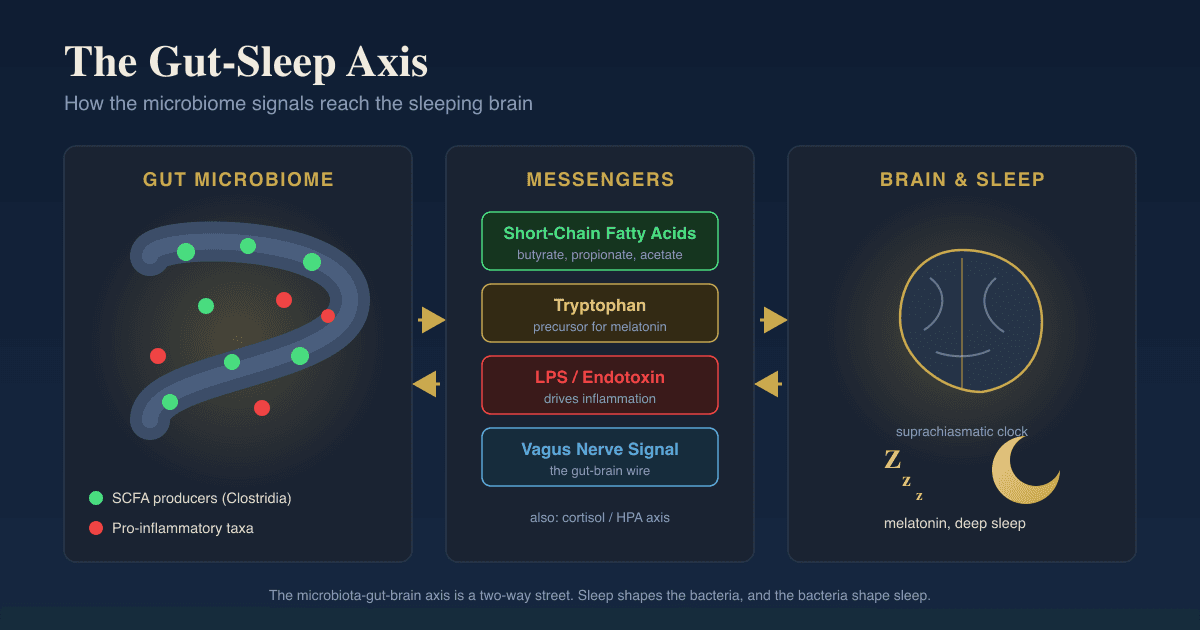
The gut microbiome, the community of roughly 38 trillion bacteria living mostly in the colon, is in constant two-way communication with the brain through the microbiota-gut-brain axis (MGB axis). R
This communication runs over four channels at once: neural (mostly the vagus nerve), endocrine (hormones like cortisol), immune (cytokines), and metabolic (compounds the bacteria themselves produce). R
Sleep is one of the outputs that axis regulates.
When researchers disrupt sleep in mice, the gut microbiome measurably changes within days. R R
When researchers feed animals the right bacterial fuel, sleep architecture improves. R
And when researchers sequence the stool of people with insomnia, the microbiome looks different from good sleepers in a way that tracks how badly they sleep.
That last point is what a 2026 study set out to quantify, and it is the reason for this post.
What The Insomnia Microbiome Study Found
A 2026 study in Frontiers in Microbiology sequenced the gut bacteria of 120 insomnia patients and 20 healthy controls. R
What makes it worth reading is the design.
Instead of the usual binary comparison of "insomnia versus healthy," the researchers split patients into mild, moderate, and severe groups using the Pittsburgh Sleep Quality Index (PSQI), the standard 0 to 21 sleep questionnaire. R
That let them ask whether the microbiome shifts in a graded way as sleep gets worse, and it does.
The findings that matter: (not exclusive list)
- Akkermansia marked health (the healthy controls were defined by Firmicutes and the gut-barrier organism Akkermansia, while every insomnia group lost that signature) R
- Clostridia collapsed (this Firmicutes class fell by roughly 15% even in mild insomnia, and kept falling as sleep got worse) R
- Pro-inflammatory taxa moved in (Fusobacteriota, Cyanobacteria, and Desulfobacterota each became the signature of progressively worse sleep) R
- The Firmicutes-to-Bacteroidetes ratio fell (the F/B ratio dropped step by step with severity, and Firmicutes went from over 75% of the microbiome in healthy controls to around 40% in severe insomnia) R
The single most important line in the paper is mechanistic.
Clostridia are the gut's main producers of short-chain fatty acids. R
When that class collapses, the supply of those metabolites collapses with it, and that supply is the lever the microbiome uses to reach the brain.

There is one finding that does not fit the usual story, and it deserves honesty rather than a tidy summary.
Most disease states show lower bacterial diversity than health.
This study found the opposite at first: the Chao1 and ACE indices (two measures of how many different species are present) were higher in insomnia, and peaked in the mild group before declining again in severe cases. R
The authors explain this with the Intermediate Disturbance Hypothesis, the ecological principle that a moderate disturbance temporarily raises diversity before a severe one crushes it. R
That reading is supported by a large population study that also found microbial richness spiking in mild sleep disturbance. R
It is a reasonable interpretation, but it is still an interpretation.
This was a single-center study from one hospital in Hangzhou, China, it was cross-sectional, and it did not control diet tightly. R
It shows correlation, not causation, and the authors say so plainly. R
The honest reading is this: the microbiome and sleep move together, the direction of the arrow is not settled, and it almost certainly points both ways.
What follows is the mechanism, because the mechanism is where this stops being a correlation and starts being actionable.
How The Gut Microbiome Regulates Sleep
The Serotonin Story Is Misunderstood
You have probably seen the claim that around 90% of the body's serotonin (5-HT) is made in the gut, and that gut bacteria help make it. R
Both halves of that are true.
Serotonin in the gut is produced by enterochromaffin (EC) cells lining the intestine, and spore-forming bacteria from the Clostridia class drive that production. R
Short-chain fatty acids from those bacteria switch on tryptophan hydroxylase 1 (TPH1), the rate-limiting enzyme EC cells use to make serotonin. R
Here is the part that popular coverage almost always drops.
That serotonin is gut serotonin.
It does not cross the blood-brain barrier (BBB), so it is not the serotonin your brain uses to regulate mood or sleep. R
The brain manufactures its own serotonin separately, behind the barrier, from the same raw material.
So when someone tells you gut bacteria "make the serotonin your brain needs to sleep," they have skipped a step that changes the whole protocol.
The microbiome does shape brain serotonin and melatonin, but it does it indirectly, by controlling the raw material, the signaling, and the inflammation.
Those three levers are the real mechanism, and they are worth understanding one at a time.
Tryptophan Is The Real Currency
Everything in this story starts with one amino acid.
Tryptophan is the precursor your body uses to build serotonin, and serotonin is the precursor it uses to build melatonin, the hormone that times sleep onset. R
Tryptophan does not get used for one job.
It sits at a fork, and the body can send it down two very different roads.
Down one road, tryptophan becomes serotonin, then melatonin, then niacin (vitamin B3) and NAD+.
Down the other road, an enzyme called indoleamine 2,3-dioxygenase 1 (IDO1) shunts tryptophan into the kynurenine pathway instead. R
The thing that decides which road wins is inflammation.
Inflammatory cytokines like IL-6, IL-1 beta, and interferon gamma turn IDO1 on. R
When IDO1 is running hot, tryptophan gets pulled away from the serotonin and melatonin road and burned down the kynurenine road instead. R
The result is less raw material for the melatonin you need at night, even if you are eating plenty of protein.

This is where the microbiome comes in.
Gut bacteria help set how much tryptophan is available, how much inflammation is present to drive IDO1, and they metabolize tryptophan into indoles that calm the gut immune system. R
A healthy, SCFA-producing microbiome keeps inflammation low and keeps tryptophan flowing toward melatonin.
A dysbiotic one does the opposite.
This kynurenine shunt is one of the central mechanisms in the Junction Dysfunction framework, and it explains why chronically inflamed people are so often both exhausted and unable to sleep.
Short-Chain Fatty Acids Are The Signal
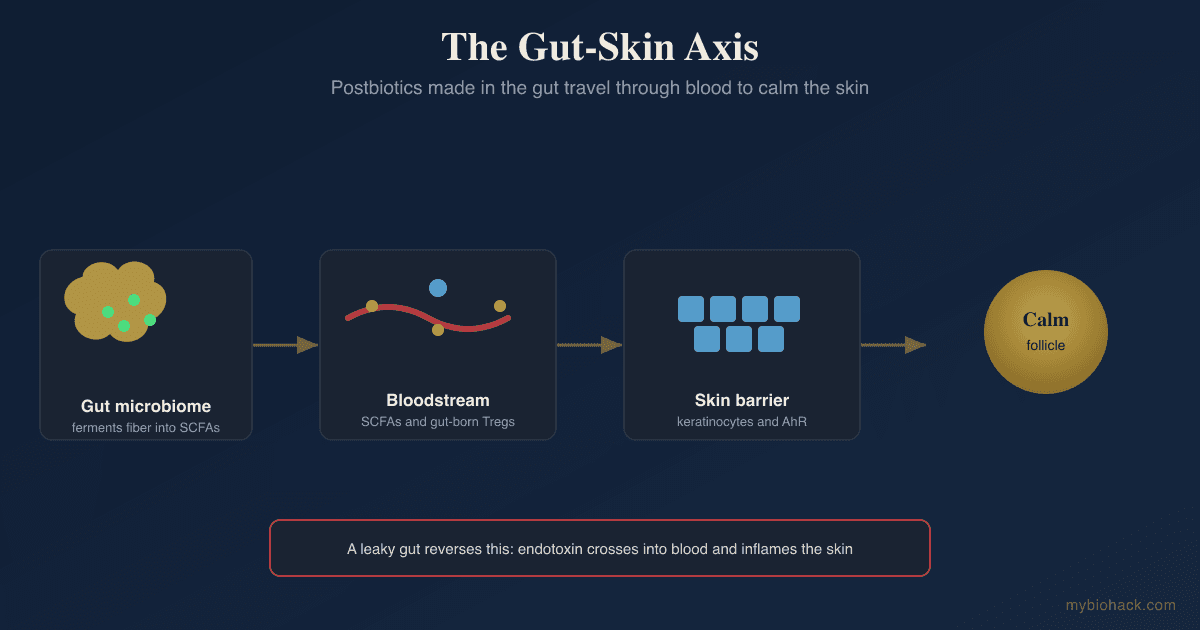
When Clostridia and other Firmicutes ferment fiber, they produce short-chain fatty acids (SCFAs): mainly butyrate, propionate, and acetate. R
SCFAs are not waste products.
They are the main chemical language the microbiome uses to talk to the rest of the body, and several of their jobs map directly onto sleep.
They strengthen barriers. Butyrate is the primary fuel for the cells lining the colon, and it tightens both the gut barrier and the blood-brain barrier by increasing tight-junction proteins like occludin. R
They set the clock. SCFAs influence the circadian clock genes (BMAL1, CLOCK, PER, CRY) in peripheral tissues, partly by acting as histone deacetylase (HDAC) inhibitors that change how those genes are expressed. R
They calm the stress axis. SCFAs dampen the stress response and buffer the brain-gut changes that stress would otherwise cause. R
They feed neurotrophins. SCFAs raise brain-derived neurotrophic factor (BDNF) and nerve growth factor, which the brain needs for healthy neuronal function. R
The most direct evidence is the cleanest.
When researchers sleep-deprived mice, butyrate dropped in both the stool and the hypothalamus, and oral butyrate supplementation rescued the sleep disturbance. R
In a human randomized controlled trial, 12 weeks of sodium butyrate shifted blood clock-gene expression, improved sleep quality, and lowered inflammation. R
This is the bridge from the study to the body.
Fewer Clostridia means less butyrate, and less butyrate means a weaker barrier, a looser clock, a louder stress axis, and worse sleep.
The Gut Barrier, LPS, And Micro-Sepsis
A weak gut barrier is not a passive problem.
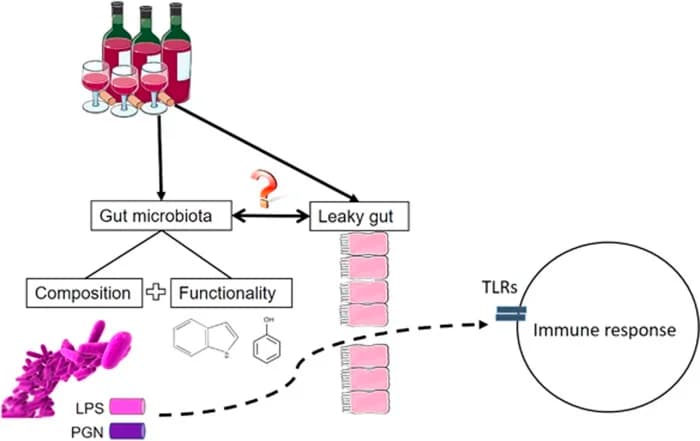
The wall of the gut holds back lipopolysaccharide (LPS), a toxic fragment of the outer membrane of gram-negative bacteria, also called endotoxin.
When SCFA-producing bacteria decline and the barrier loosens, LPS leaks across the gut wall into circulation, a state called metabolic endotoxemia.
Once in the blood, LPS binds Toll-like receptor 4 (TLR4) on immune cells and triggers a systemic inflammatory response.
That low-grade, chronic, sub-lethal version of an immune response is what the Junction Dysfunction framework calls Micro-Sepsis (MSS).

The inflammation it produces does two things to sleep at once.
It drives the IDO1 kynurenine shunt covered above, starving melatonin synthesis of tryptophan.
And the cytokines themselves rewrite sleep architecture.
This is not a guess.
When researchers give healthy humans a controlled dose of endotoxin, it raises TNF-alpha, IL-6, and IL-1 receptor antagonist, and it changes sleep directly: it suppresses REM sleep and alters the EEG. R R
Cytokines like IL-6 are part of normal sleep regulation, and a brief immune signal can even deepen sleep.
The problem is chronic, low-grade, never-resolving immune activation.
That keeps the inflammatory signal switched on every night, and over time it fragments sleep instead of deepening it.
The HPA Axis And Cortisol Timing
Cortisol is supposed to follow a curve: high in the morning to wake you, low at night to let you sleep.
The hypothalamic-pituitary-adrenal (HPA) axis runs that curve.
SCFAs and a healthy microbiome help keep the HPA axis calm and properly timed. R
When the microbiome is dysbiotic and inflamed, the HPA axis stays activated, and cortisol can stay elevated into the evening when it should be falling.
High evening cortisol is one of the most reliable ways to block sleep onset and cause middle-of-the-night waking.
The clinical evidence runs the other direction too.
In a randomized trial, the probiotic strain Bifidobacterium breve CCFM1025 improved sleep quality specifically by regulating HPA-axis activity. R
Fix the bacteria, and the stress axis that gates sleep starts to settle.
The Vagus Nerve Is The Wire
The fastest route from gut to brain is not the bloodstream.
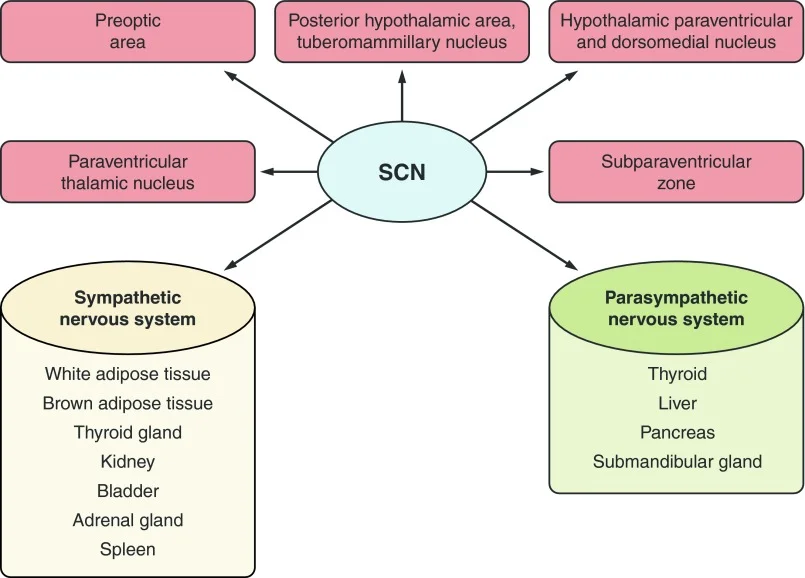
It is the vagus nerve, the main nerve of the parasympathetic "rest and digest" system.
Gut bacteria and their metabolites signal up the vagus, and that signal reaches sleep-regulating regions of the brain including the suprachiasmatic nucleus (SCN), the body's master clock. R
This is why germ-free animals, raised with no microbiome at all, develop altered stress behavior and altered brain chemistry, and why severing the vagus nerve blocks many gut-to-brain effects. R R
Gut-produced neurotransmitters fit the same pattern.
Some bacteria, including certain Lactobacillus and Bifidobacterium strains, produce GABA (gamma-aminobutyric acid), the main calming neurotransmitter. R
Bacterial GABA mostly does not cross the blood-brain barrier either, but it does not need to.
It signals through the vagus and through the enteric nervous system, and a GABA-rich fermented milk improved insomnia in human work cited by the insomnia study itself. R
The vagus is the wire, and SCFAs, GABA, and inflammation are the signals traveling down it.
It Runs In Both Directions
It would be neat to say bad bacteria cause bad sleep, full stop.
The evidence does not allow that.
The microbiome has its own daily rhythm, and that rhythm depends on when you sleep and when you eat. R
Sleep deprivation alters the microbiome, and an altered microbiome worsens sleep, and each one feeds the other. R
Sleep loss also changes the hunger hormones ghrelin and leptin, which pushes people toward sugar and processed food, which then reshapes the microbiome again. R
This is a loop, not a one-way street.
The practical upside is that a loop can be entered from either side.
You can work on the bacteria, and you can work on sleep behavior, and progress on one makes the other easier.
The rest of this post does both.
Insomnia And Overlapping Conditions
The dysbiosis-inflammation-sleep pattern rarely shows up alone.
The same loss of SCFA-producing bacteria, the same barrier breakdown, and the same low-grade inflammation drive a cluster of conditions that travel together.
Conditions that overlap with the insomnia microbiome pattern: (not exclusive list)
- Anxiety and depression (the same MGB-axis disruption alters mood, and germ-free animals show altered anxiety behavior) R
- Histamine intolerance (certain dysbiotic bacteria produce histamine, and histamine is wake-promoting)
- Irritable bowel syndrome (IBS and insomnia co-occur heavily, and both feature a leaky, inflamed gut barrier)
- Metabolic syndrome and insulin resistance (chronic sleep disruption drives systemic and adipose inflammation and insulin resistance in animal models) R
- Neurological and neurodegenerative disease (altered gut alpha diversity is documented across a range of neurological conditions) R
- Post-viral illness and chronic fatigue (the kynurenine shunt, barrier breakdown, and micro-sepsis are core to the Junction Dysfunction framework)
- Systemic and long-term inflammation (SALI is the inflammatory background state that keeps IDO1 running and melatonin synthesis suppressed)
If you have insomnia plus any of these, the gut is a more likely shared root than coincidence.
How To Rebalance The Microbiome For Better Sleep
The goal here is specific.
You are trying to rebuild the SCFA-producing bacteria that the study found collapsing, mainly the Clostridia class, including butyrate producers like Faecalibacterium prausnitzii and Roseburia. R
You are not chasing higher diversity for its own sake.
Remember the diversity paradox: the healthy controls in the study had a stable, lower-diversity community dominated by the right bacteria, not the highest species count. R
The target is function, not a number.
1. Feed The Butyrate Producers
Butyrate-producing bacteria are fiber eaters, and they will not recover without their fuel.
The most important single move is eating a wide range of fermentable plant fiber every day: vegetables, legumes, whole grains, nuts, and seeds.
Resistant starch is the most targeted form of that fuel, because Clostridia ferment it directly into butyrate.
Resistant Starch (Potato Starch):
Start with one teaspoon of raw potato starch in cold water and build slowly, since too much too fast causes gas while the bacteria adjust.
Cooked-then-cooled potatoes, rice, and legumes also generate resistant starch and are an easy food-first option.
2. Add Targeted Prebiotics
A prebiotic is a fiber that selectively feeds beneficial bacteria.
In rats, a prebiotic diet improved non-REM sleep, increased REM-sleep rebound after stress, and protected gut microbial diversity from the effects of stress. R
The human sleep evidence for prebiotics is thinner than the animal evidence, so treat this as promising rather than proven.
Found naturally in chicory root, garlic, onion, and Jerusalem artichoke, these feed Bifidobacteria.
Partially Hydrolyzed Guar Gum (PHGG):
A gentle, low-gas prebiotic that is well tolerated by people with sensitive guts.
3. Consider Butyrate Directly
If your butyrate producers are badly depleted, you can supply the end product while you rebuild the bacteria that make it.
Oral butyrate improved sleep and clock-gene expression in a human trial, and rescued sleep architecture in animal models of sleep disruption. R R
Tributyrin or Sodium Butyrate:
Tributyrin survives stomach acid better and releases butyrate lower in the gut.
For people whose problem is concentrated in the colon, butyrate enemas deliver it directly to the tissue that uses it.
4. Use Sleep-Specific Probiotic Strains
Probiotics are strain-specific, so the strain matters more than the word "probiotic" on the label.
A meta-analysis of randomized trials found that probiotics modestly improved sleep quality and mood in people with insomnia. R
The effect sizes are real but moderate, so set expectations accordingly.
The CCFM1025 strain improved sleep by calming the HPA axis in a randomized trial. R
Multi-strain Lactobacillus and Bifidobacterium blends gave the best results in pooled trial data, and the individual species are covered in the Lactobacillus and Bifidobacteria strain guides. R
Spore-based probiotics are worth considering because the Clostridia you are trying to restore are themselves spore-formers, and spore-based products survive stomach acid to seed the lower gut.
5. Eat Polyphenols To Support Akkermansia
The healthy controls in the study were defined partly by Akkermansia muciniphila, a bacterium that lives in the gut mucus layer and reinforces the barrier. R
Akkermansia and Faecalibacterium are both fed by polyphenols, the colored plant compounds in berries, pomegranate, green tea, cocoa, and olive oil.
Pomegranate and Cranberry Extract:
These are among the most consistent polyphenol sources for raising Akkermansia.
Eating the whole foods is the better default, because the fiber and polyphenols arrive together.
6. Compress Your Eating Window
The microbiome has a daily rhythm, and meal timing is one of the strongest cues that sets it. R
Eating late at night fights both the microbial clock and your own.
Concentrate your food into a daytime window, ideally finishing your last meal at least three hours before bed.
This is free, it is one of the highest-leverage changes available, and it directly addresses the bidirectional loop.
For the wider set of circadian cues, see the post on zeitgebers and circadian rhythm.
7. Rebuild The Gut Barrier
Closing the barrier reduces LPS translocation, which lowers the inflammation that drives the IDO1 shunt and keeps melatonin synthesis suppressed.
The preferred fuel for the cells of the small intestine, useful for supporting barrier repair.
Butyrate, polyphenols, and the prebiotics above are also barrier interventions, because the strongest barrier signal is a well-fed butyrate-producing microbiome.
Protecting secretory IgA, the gut's first-line antibody, supports this same barrier.
8. Support The Downstream Sleep Machinery
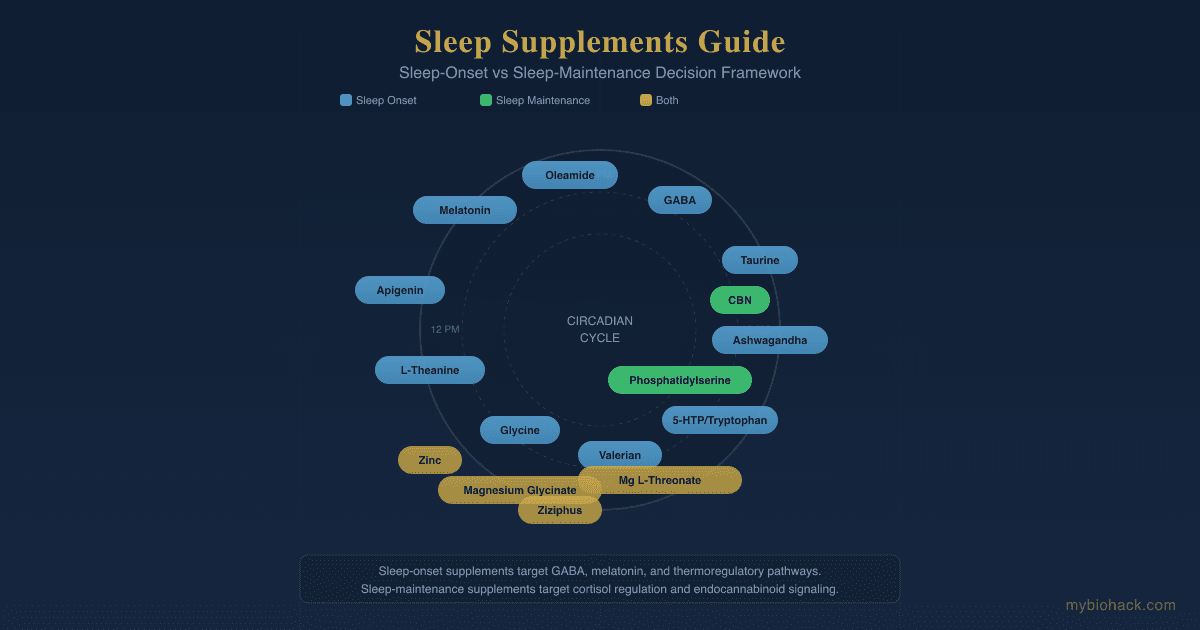
Rebuilding bacteria takes weeks, so it is reasonable to support sleep directly in parallel.
A well-absorbed form that supports GABA signaling and is gentle on the gut.
Three grams before bed lowers core body temperature and improves subjective sleep quality.
Doses of 0.3 to 0.5 mg are closer to physiological levels than the common 5 to 10 mg pills, and the full picture is in the post on melatonin.
These treat the symptom, not the root, so use them as a bridge while the microbiome work takes hold.
9. Lower The Stress Load On The HPA Axis
Because cortisol timing gates sleep, lowering chronic stress is a microbiome intervention as much as a psychological one.
Daily practices that raise vagal tone, slow breathing, time outdoors, and morning light exposure, all push the HPA axis back toward its proper rhythm. R
This closes the loop from the other side, and it costs nothing.
What To Stay Away From
Some of the most effective moves are subtractions.
The following all reduce SCFA-producing bacteria, damage the gut barrier, or both.
Things that work against the sleep microbiome: (not exclusive list)
- Alcohol, especially in the evening (it fragments sleep, raises gut permeability, and feeds LPS translocation)
- Artificial sweeteners (sucralose, aspartame, and saccharin can shift the microbiome unfavorably in susceptible people)
- Chronic, unnecessary antibiotics (they strip the Clostridia and Bifidobacteria you are trying to rebuild, and recovery can take months)
- Emulsifiers in processed food (polysorbate 80 and carboxymethylcellulose can thin the protective mucus layer)
- Late, large meals (eating close to bedtime fights both the microbial clock and your own)
- Routine NSAID use (chronic non-steroidal anti-inflammatory drug use damages the gut lining and increases permeability)
- Ultra-processed, low-fiber food (a low-fiber diet starves butyrate producers directly, and this is the single biggest dietary driver of their decline)
Note that an occasional course of antibiotics for a real infection is not the problem.
The problem is the chronic, low-grade, never-examined version of each of these.
Testing
You do not have to guess at the state of your microbiome.
The point of testing here is to confirm dysbiosis, measure the inflammation behind it, and check the hormones that gate sleep.
Stool And Microbiome Testing
A comprehensive stool test is the direct way to see what the insomnia study measured.
I use the Gut Zoomer to assess overall microbiome composition, the Firmicutes-to-Bacteroidetes ratio, Akkermansia and Faecalibacterium abundance, short-chain fatty acid output, and the gut permeability marker zonulin.
For a PCR-based alternative, the GI-MAP (Diagnostic Solutions) quantifies specific bacteria and pathogens.
Organic Acids
An organic acids test measures microbial metabolites in urine, which reflects bacterial and fungal activity indirectly.
I use the Cellular Zoomer or the standalone Organic Acids Test (Mosaic Diagnostics) to assess dysbiosis markers and neurotransmitter metabolite patterns.
Inflammation
Because inflammation is the link between dysbiosis and the IDO1 shunt, it is worth measuring.
I use the Foundation Zoomer to check high-sensitivity C-reactive protein and immune baselines.
Cortisol Rhythm
A single morning cortisol tells you little, because the problem is the shape of the curve.
I use the Hormone Zoomer or the DUTCH Complete (Precision Analytical) to map the cortisol rhythm across the day and confirm whether evening cortisol is staying inappropriately high.
Mechanisms Of Action
Simple:
- Gut bacteria ferment fiber into short-chain fatty acids, and those compounds strengthen the gut wall, calm inflammation, and help time the body clock.
- When the bacteria that make those compounds disappear, the gut wall leaks, inflammation rises, and sleep signals get scrambled.
- Inflammation steals the raw material your brain needs to make melatonin, so you make less of the hormone that starts sleep.
- The gut talks to the brain mainly through the vagus nerve, so a calm, well-fed gut sends a calm signal that supports rest.
Advanced:
- SCFA signaling and barrier function Butyrate from Clostridia is the primary energy substrate for colonocytes and upregulates tight-junction proteins including occludin at both the gut barrier and the blood-brain barrier, while propionate and acetate act on free fatty acid receptors to modulate immune tone. R R
- The IDO1 kynurenine shunt Pro-inflammatory cytokines (IL-6, IL-1 beta, interferon gamma) induce indoleamine 2,3-dioxygenase 1, which diverts tryptophan from the serotonin and melatonin branch into kynurenine pathway metabolites, reducing substrate available for nocturnal melatonin synthesis. R
- Metabolic endotoxemia and TLR4 Loss of SCFA-producing taxa loosens the epithelial barrier, allowing lipopolysaccharide translocation into circulation, where it engages TLR4, activates NF-kB, and produces the chronic cytokine load that both drives IDO1 and directly alters sleep EEG and REM architecture. R
- Circadian clock entrainment SCFAs modulate peripheral expression of the core clock genes BMAL1, CLOCK, PER, and CRY, partly through histone deacetylase inhibition, linking microbial metabolite output to the molecular machinery of circadian timing. R
- Vagal and HPA-axis signaling Microbial metabolites signal through the vagus nerve to the suprachiasmatic nucleus and modulate hypothalamic-pituitary-adrenal output, which is why probiotic strains that act on the HPA axis improve sleep and why vagotomy abolishes many gut-to-brain effects. R R
Genetics
TPH2
Tryptophan hydroxylase 2 is the rate-limiting enzyme for serotonin synthesis in the brain, while the related TPH1 makes serotonin in the gut.
Variants that lower TPH2 activity reduce the brain's capacity to build serotonin, and therefore melatonin, from available tryptophan.
This is the genetic reason two people with the same microbiome can have different sleep outcomes.
IDO1
Indoleamine 2,3-dioxygenase 1 is the enzyme that shunts tryptophan into the kynurenine pathway under inflammatory pressure.
Variants that raise IDO1 expression or activity make a person divert tryptophan away from melatonin more aggressively for any given level of inflammation. R
ASMT
Acetylserotonin O-methyltransferase catalyzes the final step of melatonin synthesis, converting N-acetylserotonin into melatonin.
Reduced-function ASMT variants have been associated with sleep and mood disorders, because they cap melatonin output even when serotonin is adequate.
PER3
Period 3 is a core circadian clock gene.
A well-studied variable-number tandem repeat (rs57875989) shifts chronotype and sleep homeostasis, with the longer-repeat allele linked to morning preference and a stronger drive for deep sleep.
MTNR1B
Melatonin receptor 1B is one of the two receptors melatonin acts on.
The rs10830963 variant alters melatonin signaling and is robustly linked to circadian and metabolic traits, which is part of why melatonin sensitivity differs so much between individuals.
FUT2
Fucosyltransferase 2 decides your secretor status, meaning whether you secrete fucosylated sugars onto the gut mucosal surface.
Roughly 20% of people are non-secretors, and the non-secretor genotype (rs601338) is strongly associated with reduced Bifidobacteria abundance and lower bifidobacterial diversity. R R
If you are a non-secretor, rebuilding Bifidobacteria takes more deliberate, sustained feeding, because your gut surface does not provision them by default.
More Research
- Bacterial richness can rise rather than fall in early, mild sleep disturbance, and effective treatment returns that elevated diversity toward baseline, which argues the spike is a compensatory response. R R
- Butyrate dropped in both the stool and the hypothalamus of sleep-deprived mice, and oral butyrate rescued the sleep disturbance, which is the strongest single piece of causal evidence available. R
- Faecalibacterium prausnitzii, one of the Clostridia the study found collapsing, blocks NF-kB and IL-8, promotes the anti-inflammatory cytokine IL-10, and is consistently depleted in inflammatory gut disease. R R
- For biomarker testing I use the Gut Zoomer to track Firmicutes-to-Bacteroidetes ratio and SCFA output, and the Hormone Zoomer to confirm whether the cortisol rhythm is the limiting factor.
- Gut microbiome diversity correlates with objective sleep efficiency and total sleep time in humans, and with interleukin-6, which ties the microbiome to both sleep and the immune signaling that regulates it. R
- Self-reported sleep quality already correlates with microbiome composition in young, healthy adults, so this is not only a disease-state finding. R
- The Akkermansia paradox is unresolved: this barrier-protective genus marked health in the insomnia study yet appeared elevated in moderate-to-severe cases, possibly as a compensatory bloom, and similar paradoxical elevations show up in stroke. R
- The gut produces more melatonin than the pineal gland does, and microbial short-chain fatty acids and indoles promote that synthesis, though gut-derived melatonin appears to act mainly locally rather than as the circulating signal that times sleep. R
Jacob Gordon
INHC, FMT-C
Board Certified Health Coach
I spent years battling unexplained chronic illness before discovering biohacking, epigenetics, and functional medicine. Now I share that research at MyBioHack to help others find their own answers.
Book a ConsultationRelated Protocols & Supplements
Deep-dive chapters and recommended supplements for this topic
Spore-Based Probiotics
1 cap with food
L-Glutamine
5g 2x/day on empty stomach
Butyrate
300mg 2x/day with meals